

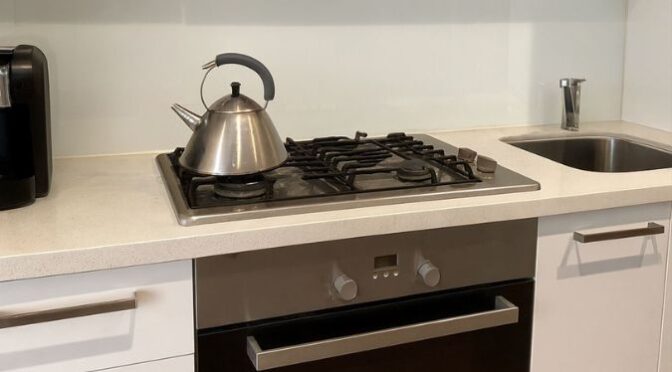
A clean and organised home can make daily life easier, calmer, and safer. It can reduce stress, improve focus, support better health and sleep, save time and money, and help families work together more smoothly. A well-organised home is not about perfection — it is about creating a space that supports your everyday life and well-being.
A clean and organised home is not about being perfect. It is not about having matching baskets, spotless benches, or a house that looks like a display home. It is about making daily life easier.
Most people notice the difference straight away. When a room is tidy, it feels calmer. When you know where things are, your day runs more smoothly. When laundry is under control, benches are clear, and the floor is free from clutter, ordinary tasks feel less tiring. Life at home becomes more manageable in an organised living space.
That matters more than many people realise.
Our homes affect almost everything we do. They shape how we wake up in the morning, how we get ready for school or work, how we cook, rest, clean, and spend time with family. They can either help us or work against us. A messy, cluttered space can make even simple tasks feel harder. A clean and organised one can support better habits, better moods, and better health.
Here are some of the biggest ways a clean and organised home can improve daily living.
It lowers stress and mental overload
Clutter does not only take up space in a room. It takes up space in your mind as well.
When there are too many things on the floor, on the table, or stuffed into cupboards, your brain keeps noticing them. Even when you are trying to relax, part of your mind is still thinking about the mess. That can leave you feeling tense, distracted, or behind before the day has even properly started.
A clean and organised home helps reduce that feeling. It gives your eyes and your mind fewer things to deal with. Instead of constantly thinking, “I need to sort that out,” you can focus on what you are doing right now.
This is especially helpful during busy times. If life already feels full with work, parenting, health needs, or appointments, a calmer home environment can take some pressure off. It creates one less thing to fight with, which can matter for people looking for daily living support NDIS.
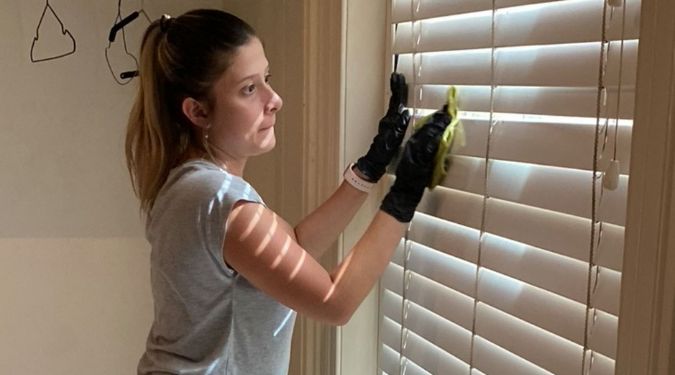
It makes everyday tasks easier
Think about how many small tasks happen in a normal day. Finding school shoes. Packing lunches. Looking for your phone charger. Cooking dinner. Folding washing. Paying bills. Getting out the door on time.
These tasks are not usually difficult on their own. The problem comes when clutter gets in the way. Suddenly, you are hunting for items, moving piles around, cleaning a bench before you can cook, or washing clothes you forgot were still in a basket.
When your home is organised, these little jobs become quicker and simpler. Things have a place. Surfaces are usable. Storage makes sense. You waste less time searching, shifting, or redoing tasks.
That may sound small, but those saved minutes add up. Over a week, an organised home can save hours of effort and frustration and even improve daily living skills.
It supports better physical health
A cleaner home can also support better health.
Dust, mould, crumbs, spills, and built-up grime can affect air quality and hygiene. They may make allergies worse, attract pests, or create surfaces that feel unpleasant to use. A cluttered home can also make cleaning harder because it is difficult to reach the areas that need attention.
When a home is cleaner, it is easier to keep on top of the basics. Floors can be vacuumed. Bathrooms can be wiped down. Kitchen benches can be cleaned properly. Bedding can be changed more often. Food can be stored safely.
This does not mean every home needs to be spotless. It simply means that a cleaner space supports healthier daily habits. You are more likely to cook in a tidy kitchen, sleep well in a fresh bedroom, and keep bathrooms more hygienic when the space is not overloaded with clutter. In some cases, this may involve deep cleaning support or home cleaning services Melbourne.
It can improve sleep
Sleep is one of the most important parts of well-being, yet many people overlook how much their bedroom affects it.
A bedroom that feels crowded, chaotic, or unclean can make it harder to switch off. Piles of clothes, random items on the floor, and overflowing bedside tables can make the room feel busy, even when the lights are low.
A tidy bedroom feels different. It feels softer, quieter, and more restful. When the bed is clear, the air feels fresh, and surfaces are calm, it is easier for your body and mind to settle.
Good sleep helps with energy, focus, patience, memory, and mood. So while organising your bedroom may seem like a small job, it can have a ripple effect through the whole day.
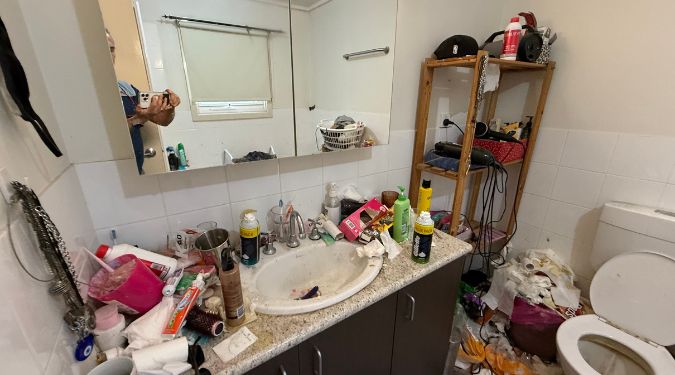
It lifts your mood
Have you ever walked into a room and felt lighter because it looked clean and fresh?
That feeling is real. Our surroundings affect our mood. A tidy home can feel peaceful, welcoming, and comforting. A cluttered one can feel heavy, frustrating, or even embarrassing.
This does not mean mess is a personal failure. Most clutter builds up slowly through busy schedules, stress, illness, family demands, or life changes. It happens to many people. But when the home starts to feel easier to use again, it often brings a real emotional lift.
You may feel more in control. More settled. More hopeful. You may even feel more motivated to keep going with other tasks. Sometimes one organised space can create a sense of momentum that spreads through the rest of the home and the rest of the day.
It helps families work better together
Home life runs more smoothly when the space supports the people living in it.
In a disorganised home, small problems can quickly turn into tension. People cannot find what they need. Shoes are missing. Benches are covered. There is nowhere to do homework. Dinner takes longer because the kitchen is cluttered. Everyone gets annoyed, and stress spreads.
An organised home helps reduce these daily pinch points. Children can find their school things more easily. Shared spaces work better. Routines become clearer. It is easier to know where bags go, where lunchboxes belong, and where clean clothes should be put away.
This can also help reduce arguments. When systems are simple and easy to follow, everyone has a better chance of working as a team. The home feels less chaotic and more cooperative.
It creates more quality time
Clutter does not only take up physical space. It can take up time that could be spent on better things.
If you are always tidying around piles, searching for missing items, or feeling stuck in catch-up mode, there is less time left for rest, hobbies, family dinners, and connection. Even when free time appears, a messy home can make it hard to enjoy because you still feel surrounded by unfinished work.
A clean and organised home helps give some of that time back. When everyday tasks are simpler, there is more room for what matters most. That might be helping a child with homework, having a cup of tea in peace, reading a book, or sitting down for a proper meal.
A home should support living, not get in the way of it.
It can improve productivity and focus
Many people now use their home for more than just living. It may also be a place for work, study, admin, appointments, or managing family schedules. That means focus matters.
A cluttered space can make concentration harder. Your eyes move from one unfinished task to another. Papers pile up. Chargers disappear. The desk becomes a dumping ground instead of a place to think.
An organised space makes it easier to focus on one thing at a time. You can sit down and begin, rather than spending ten minutes clearing space first. You know where your tools are. You are less distracted by visual noise.
This is helpful for adults working from home, students doing homework, and children learning routines. When the space supports the task, the task feels less overwhelming.
It supports emotional well-being
Home should feel safe. Not perfect. Safe.
For many people, clutter carries emotional weight. It can come from grief, stress, depression, trauma, exhaustion, or simply too many years of putting other things first. Over time, the home may stop feeling restful and start feeling like a reminder of everything that has not been done.
That can affect confidence and well-being. Some people feel shame. Some stop inviting others over. Some begin avoiding certain rooms. Some feel frozen because they do not know where to start.
Creating a cleaner, more organised home can help ease some of that emotional pressure. It can bring a sense of relief. It can help people reconnect with their space and feel more comfortable in it again. Even one clear bench or one usable room can make a person feel more capable.
That emotional shift matters. When your home feels kinder to live in, daily life often feels kinder too.
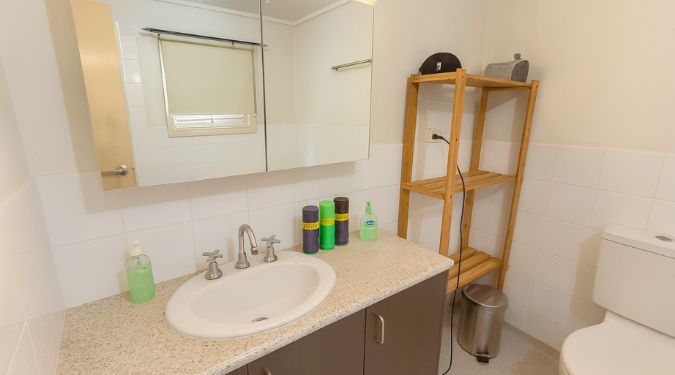
It can make the home safer
Safety is one of the most practical reasons to keep a home clean and organised.
Items on the floor can become tripping hazards. Overloaded benches can lead to spills or accidents. Blocked walkways can make moving around harder, especially for older adults, young children, or anyone with mobility challenges. Important items may be harder to reach when cupboards are overstuffed.
A more organised home helps create clear paths, safer storage, and easier access to daily essentials. Things are less likely to fall, break, or cause injury. There is more room to move and use the home properly. This can be especially important when considering home organisation for disability.
Safety is not always dramatic. Often, it is about quiet prevention. It is about lowering the risk of those everyday accidents that happen when a space becomes too crowded or hard to manage.
It can save money
People do not always connect organisation with wealth, but the two are often linked.
When a home is disorganised, money can leak out in small ways. You buy duplicates because you cannot find what you already own. Food expires at the back of the fridge or pantry. Clothes get forgotten. Bills go missing. Late fees happen. Items break because they were stored poorly. Cleaning takes longer because there is more to work around.
An organised home helps you use what you already have. You can see your supplies, your pantry items, your clothing, and your important papers. You waste less. You replace fewer things. You make more thoughtful decisions because you know what is actually there.
It also becomes easier to budget and plan. When paperwork is sorted and daily systems are simpler, it is easier to keep track of expenses and avoid unnecessary spending.
Saving money is not only about earning more. Sometimes it is about managing everyday life with less waste.
It encourages healthier choices
The state of a home can influence the choices people make inside it.
If the kitchen is cluttered, dirty, or hard to use, it is easier to reach for takeaway or convenience food. If workout gear is buried under other items, moving your body may feel like too much effort. If the bathroom is chaotic, simple routines like showering or skin care can feel less pleasant.
When spaces are clean and functional, healthy choices become easier. Cooking feels more possible. Drinking water, preparing lunch, and keeping fresh food visible all become simpler. So do daily routines such as getting dressed, brushing teeth, and going to bed on time.
This is not about discipline. It is about making good choices and easy choices.
It helps children learn routines and responsibility
Children often do better when their environment is clear and predictable.
If toys, books, clothes, and school supplies all have a simple home, children can learn where things go and what is expected. That helps build routine and responsibility in a natural way. They are more likely to put things away, find what they need, and take part in simple jobs.
A cluttered space can be confusing for children. It is harder for them to know what to do, where to start, or how to help. Too many things can also lead to overstimulation, making it harder to focus or settle.
An organised home does not need to be strict. It just needs to be understandable. When children can see how the home works, they are more likely to feel calm and capable within it.
It makes hosting and connection easier
Many people stop inviting others over when their home feels out of control. They may worry about being judged, feel embarrassed, or simply not have the energy to prepare.
That can lead to isolation. Over time, people may pull back from friendships, family visits, or community connection because the home does not feel ready.
A cleaner, more organised home can make social connection easier again. It becomes more comfortable to welcome people in, whether that is family dropping by, a friend visiting for coffee, or children bringing mates home after school.
Connection matters for well-being. A home that feels usable and welcoming can support that.
It supports independence and dignity
A well-organised home can also support independence, especially for older adults, people living with disability, or anyone recovering from illness or injury.
When essential items are easy to reach, rooms are safe to move through, and everyday tasks are simpler, people can do more for themselves. That may include preparing meals, getting dressed, doing laundry, or managing medications and paperwork. This is where NDIS household support, NDIS cleaning assistance, and home help Melbourne can make a meaningful difference.
This is not only practical. It is deeply personal. Being able to use your home with confidence supports dignity. It helps people feel more in control of their own lives.
It reminds us that progress matters more than perfection
One of the most helpful things to remember is this: a better home does not happen all at once.
You do not need to organise every room in one weekend. You do not need expensive storage. You do not need to aim for perfection. In fact, perfection often gets in the way. It can make people feel like there is no point starting unless they can do everything.
Real change usually comes from small, steady steps. One drawer. One shelf. One clear path through a room. One bench that stays usable. One basket for school items. One routine that helps the washing stay under control.
Those small wins matter because they improve daily living straight away.
Final thoughts
A clean and organised home is not just about appearance. It affects health, mood, stress, safety, relationships, sleep, productivity, and even finances. It can make life feel lighter, calmer, and more manageable.
Most of all, it can help a home feel like it is working for you again.
That is the real goal. Not perfection. Not pressure. Just a space that supports everyday living, helps you do what you need to do, and gives you more room to breathe.
Because when your home feels easier to live in, life often feels easier too.
Need a hand creating a cleaner, more organised home? Call 03 8583 9103, email nancy@homeorganisers.com.au, or visit homeorganisers.com.au to learn more.
Key Takeaways
- A clean and organised home can make everyday life feel easier and less stressful.
- It can support better mental health by reducing clutter, overwhelm, and mental load.
- A tidy home can improve physical health by making cleaning, hygiene, and healthy habits easier.
- Organised spaces can help with better sleep, better focus, and a calmer mood.
- Families often work better together when the home is easier to use and routines are simpler.
- A well-organised home can save time by reducing the need to search for lost items or redo tasks.
- It can also save money by helping you avoid waste, duplicate purchases, and missed bills.
- Clear and tidy spaces can improve safety, especially for children, older adults, and people with disabilities.
- A more functional home can support independence, dignity, and confidence in daily routines.
- The goal is not perfection — it is creating a home that supports your well-being and daily living.
Case Study 1:
How a More Organised Home Helped an NDIS Participant Feel Safer, Calmer, and More Independent
When Sarah, a Melbourne woman living with disability, first reached out for help, she was not looking for perfection. She simply wanted her home to feel manageable again.
Over time, everyday clutter had started to affect much more than the appearance of her space. Her kitchen benches were crowded, her laundry routine felt overwhelming, and important items were often difficult to find. What used to be small daily tasks had started to feel exhausting. The mess was also affecting her mood, confidence, and sense of control at home.
What Sarah really needed was a clean and organised home that could support her routine instead of working against it.
With the right daily living support NDIS, the focus was placed on making the home easier to use day by day. Rather than trying to change everything at once, the approach started with the most important areas: the kitchen, bedroom, bathroom, and walkway access points. Clear zones were created for essential items, storage was simplified, and unnecessary clutter was removed so the space felt safer and easier to navigate.
Because the home had also become difficult to clean properly, deep cleaning support and NDIS cleaning assistance played an important role in resetting the environment. Once surfaces, floors, and key living areas were cleaned and refreshed, it became much easier to maintain.
This kind of home organisation for disability was not about making the home look perfect. It was about making daily life smoother. Sarah no longer had to spend so much energy searching for things or working around piles of clutter. Her home became a more organised living space, with practical systems she could actually keep up with.
Over time, the changes helped improve daily living skills in a natural and supportive way. Meal preparation became easier. Laundry felt less stressful. Morning and evening routines became more predictable. Most importantly, Sarah said she felt more comfortable in her own home again.
This is where NDIS household support can make a meaningful difference. When a home is set up to match a person’s needs, it can improve confidence, reduce overwhelm, and support greater independence in everyday life.
Case Study 2:
How a Busy Melbourne Family Reclaimed Their Home and Reduced Everyday Stress
After a long period of work pressure, school demands, and caring responsibilities, the Johnson family felt like their home was no longer working for them.
Their house was not dirty in the usual sense. It was simply overloaded. The kitchen bench had become a drop zone for bags, papers, and unopened mail. The laundry was always overflowing. Toys and household items had spread into every room. Everyone in the family felt stretched, and the state of the home was adding to the tension.
Mornings were especially hard. Shoes were hard to find, lunch preparation took longer than it should, and everyone seemed to start the day feeling rushed and frustrated. By the evening, the family was too tired to reset the space, so the cycle kept repeating.
What they needed was not just tidying. They needed practical home help Melbourne families could rely on to make the home function better.
The first step was creating a plan that focused on the busiest parts of the house. The entryway was reorganised so school bags, shoes, and keys had a clear home. The kitchen was reset so benches could actually be used for meal preparation. The laundry area was simplified with easy storage and better sorting systems. The children’s play space was also reorganised so it felt easier to maintain without constant supervision.
Because the home needed a proper reset before new systems could work well, support similar to home cleaning services Melbourne households often seek was also part of the process. Once the space was cleaner and easier to move through, the whole house felt lighter.
The real change, however, came from how the home functioned afterwards. The family gained a more organised living space that supported daily routines instead of disrupting them. School mornings became less chaotic. Meal preparation became quicker. Shared spaces felt calmer. There were fewer arguments about lost items and less time wasted searching through piles.
Perhaps the biggest shift was emotional. The family no longer felt embarrassed by the state of their home. They felt relieved. With a clean and organised home, they could finally enjoy being in the space again.
This is one of the clearest examples of how an organised home can improve daily life. When the environment is easier to manage, the people living in it often feel calmer, more capable, and more connected to one another.
FAQ: How Does a Clean and Organised Home Improve Daily Life?
- I feel embarrassed about how messy my home has become — can a home organiser still help me?
Yes. A good home organiser understands that clutter can build up for many reasons, including stress, illness, family life, or simply not knowing where to start. The goal is not to judge you. It is to help make your home feel calmer, easier to use, and more supportive of your daily life.
- What does a home organiser actually do when my house feels too overwhelming to manage on my own?
A home organiser helps you sort through clutter, create simple systems, and make better use of your space. Home Organisers says they can work on anything from one area, like a pantry or wardrobe, to the whole house, with a focus on making spaces more functional and easier to maintain.
- Can I start with just one room if the whole house feels like too much right now?
Absolutely. Starting with one room is often the best way to begin. It gives you a quick win, builds confidence, and helps you feel progress without the pressure of doing everything at once. Home Organisers notes they handle both single-room jobs and whole-home projects.
- How long does home organising usually take when life has completely got on top of me?
It depends on the size of the space and how much needs to be sorted. Home Organisers says the timeline varies based on the condition and size of the area, and they provide an estimate after the initial consultation.
- Will I be pressured to throw things away if I hire a home organiser?
No. Home organising should feel supportive, not forceful. The process is usually about helping you make clear, practical decisions at your own pace, while keeping what is useful and meaningful to you.
- What happens to the things I no longer need after a home organising session?
Home Organisers says they can assist with donating, recycling, or responsibly disposing of unwanted items. That means you can clear space without feeling like everything is simply being thrown out.
- Do I need to stay there the whole time, or can a home organiser work while I rest or step out?
Not always. Home Organisers says it is helpful for you to be there at the beginning, but it is not mandatory, and they can work independently if you prefer. That can make the process much easier if you are busy, tired, or emotionally drained.
- Can home organising really help if I keep losing things and feel like I am always running behind?
Yes. One of the biggest benefits of home organising is that it gives everyday items a clear place. That can make it easier to find what you need, stay on top of routines, and reduce the stress that comes from constant searching and last-minute rushing.
- Is hiring a home organiser worth it if I have tried tidying before and it never lasts?
It can be, because home organising is not just about tidying up for a day. It is about setting up systems that suit how you actually live. Home Organisers also says their service includes sharing practical organising knowledge and tips to help keep the home neat and free-flowing.
- How do I get started when I feel so overwhelmed that I do not even know where to begin?
Start small and ask for help. Home Organisers says the first step is to get in touch, talk through your needs, and arrange a visit to discuss your space, goals, and budget. Sometimes the hardest part is simply taking that first step.
