

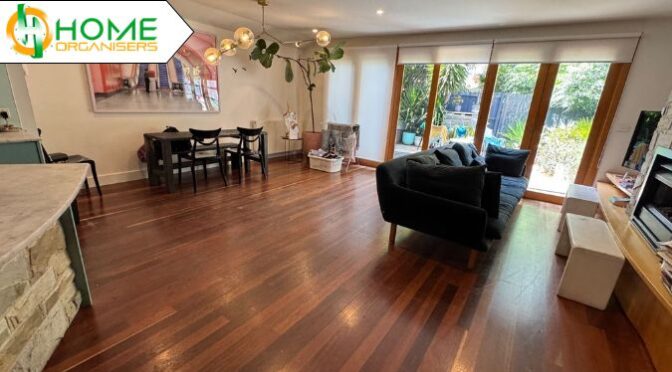
Compassionate hoarding support helps NDIS participants create a safer, cleaner, and more manageable home without judgement. NDIS hoarding cleanup can improve health, emotional wellbeing, family relationships, daily routines, and independence. The best support is gentle, respectful, and step-by-step, with the participant’s choices and dignity at the centre.
When people hear the word hoarding, they often think about “too much stuff”. But for many NDIS participants, it is not that simple. Hoarding is often tied to stress, trauma, grief, anxiety, depression, disability, or long periods of feeling overwhelmed. That is why support needs to be kind, calm, and respectful. It is not about forcing change. It is about helping a person feel safe in their home again, one step at a time. A hoarding clean-up service can include decluttering, sorting useful items, careful removal of unneeded items with permission, cleaning, disinfecting surfaces, and checking the home so it feels more organised and liveable. Compassionate hoarding support, NDIS hoarding cleanup, and trauma informed cleanup all matter in this process, especially when families are looking for hoarding cleanup Melbourne services that put dignity first.
For NDIS participants, home is not just a place to sleep. It is where daily life happens. It is where people eat, rest, shower, take medication, see support workers, spend time with family, and try to feel settled. When the home becomes too crowded, these simple things can become hard. A blocked hallway can become a fall risk. A full kitchen bench can make it hard to prepare food. A bathroom with too many items can be unsafe. A bedroom packed with belongings may stop a person from getting proper sleep. In that way, hoarding can affect much more than the look of a home. It can affect health, mood, relationships, routines, and confidence. This is why NDIS participant home support and tailored hoarding disorder home help can be so valuable.
A compassionate approach matters because shame does not help. In fact, shame often makes things worse. Many people living with hoarding already know their home is hard to manage. They do not need blame. They need support that says, “We will work with you, not against you.” Respectful support means understanding that every item may have a story. Some things may feel comforting. Some may remind a person of a loved one. Some may have been kept during a time when life felt uncertain. Letting go can feel scary. That is why gentle, step-by-step support is often the best path. A non judgemental cleaning service offering compassionate hoarding support can make that first step feel much safer.
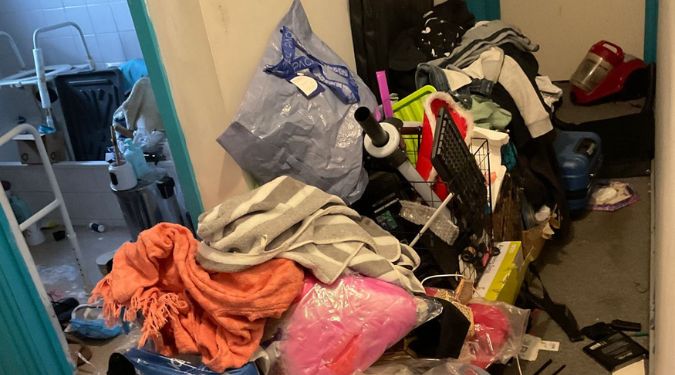
Why health and safety matter
One of the biggest reasons hoarding cleanup support can help is health. When a home becomes overcrowded, dust, mould, pests, and old rubbish can build up over time. This can affect breathing, allergies, skin health, and general hygiene. If food areas are blocked or dirty, cooking safely can become difficult. If the laundry is not usable, clean clothes and bedding may be hard to keep up with. If rubbish is left sitting for long periods, smells and bacteria can spread. This is where deep cleaning after hoarding becomes especially important, along with safe rubbish removal Melbourne support when waste has built up.
Safety is just as important. Piles of items can make it hard to walk from room to room. People can trip, slip, or become trapped if there is an emergency. Exits may be blocked. Appliances may be hard to reach. Important items like medication, glasses, or mobility aids can be buried under clutter. For participants with physical disability, chronic illness, low vision, fatigue, or pain, these risks can be even bigger. A safer home can make daily life easier and reduce the chance of injury. Good NDIS hoarding cleanup and trauma informed cleanup support can help reduce these risks without adding extra stress.
A cleaner, clearer home can also make healthcare support easier. Nurses, support workers, allied health staff, and family carers need space to move and do their work safely. When rooms become more usable, participants may find it easier to attend to personal care, medication routines, wound care, meal preparation, and exercise at home. This is another reason NDIS participant home support can make such a meaningful difference.
The mental and emotional side of hoarding
Hoarding is not only about things. It is often about feelings. Some people keep items because throwing them away feels painful. Some worry they may need them later. Some feel attached to objects because those items bring comfort. Others may feel too exhausted to sort anything at all. A person might want change and still feel frozen when they try to start. This is why hoarding support should be trauma-informed and person-centred. Strong trauma informed cleanup practices are especially important for people who need gentle hoarding disorder home help.
Living in a cluttered home can affect mental health in many ways. It can create stress every time someone walks into a room. It can make simple jobs feel huge. It can cause embarrassment and lead to social isolation. A person may stop inviting others over. They may avoid letting support workers in. They may worry that others will judge them. Over time, this can lead to loneliness, sadness, and feeling stuck.
Compassionate support can begin to lift that weight. When someone feels heard and respected, they are more likely to take part in the process. Small wins can create hope. One clear chair to sit on. One clean sink. One open path to the bathroom. These changes may seem small from the outside, but they can feel huge to the person living there. Progress often starts with one manageable step, not a perfect home. This is where compassionate hoarding support and a non judgemental cleaning service can be life-changing.
A calmer space can also help a calmer mind. Many people find that when the environment is less chaotic, they can think more clearly. They may feel less tense, less distracted, and more able to make decisions. It does not solve every problem, but it can lower the daily pressure. In many cases, home decluttering for hoarding is not just about the home. It is about helping the person feel calmer too.
How hoarding affects family and relationships
Hoarding often affects more than one person. Family members may feel worried, frustrated, helpless, or heartbroken. They may want to help but not know how. Sometimes they push too hard because they are scared. Sometimes they pull away because they are exhausted. Both are understandable, but both can strain the relationship.
Participants may feel misunderstood by the people around them. They may feel like others only see the clutter and not the reasons behind it. This can create conflict, silence, or distance within families.
Compassionate cleanup support can help shift the focus. Instead of arguments about “getting rid of everything”, the conversation can move toward shared goals: safety, hygiene, comfort, and dignity. A more structured process can reduce family stress because there is a plan. It can also help family members understand that hoarding cleanup is not about being harsh. It is about protecting the person’s wellbeing while respecting their pace and choices. This is why compassionate hoarding support, trauma informed cleanup, and hoarding disorder home help matter so much for families as well.
A more organised home can also improve everyday family life. There may be room to sit together, eat together, and talk more comfortably. Visits may feel easier. Support workers and relatives may feel less stressed when coming into the home. That can help rebuild connection over time.
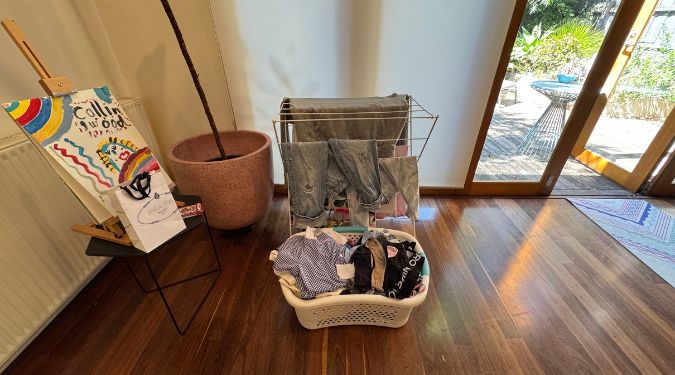
Productivity, routines, and daily independence
Clutter can steal time and energy. When a person cannot find what they need, everything takes longer. Getting dressed, making breakfast, charging a phone, taking medication, or leaving the house can become hard when items are lost or rooms are hard to use. This can affect appointments, study, work goals, and everyday independence.
For NDIS participants, routine is often important. A predictable space can support a predictable day. When important things have a place, daily tasks become simpler. It is easier to know where shoes are, where clean clothes are, where paperwork is, and where personal care items are kept. This saves mental energy.
A more usable home can also support capacity building. Participants may feel more able to practise life skills such as cooking, laundry, cleaning, and organising. They may find it easier to work with support staff on goals because the environment is less overwhelming. In this way, the benefits of cleanup support can go beyond the home itself. It can support confidence and participation in daily life. Home decluttering for hoarding can play a big part in making these routines easier to maintain, especially when paired with NDIS participant home support.
Mood, wellbeing, and quality of life
Our surroundings affect how we feel. A crowded, dirty, or unsafe home can make a person feel low, irritable, embarrassed, or defeated. It can feel like there is no room to breathe. By contrast, a space that is cleaner and easier to move through can support comfort and relief.
This does not mean a home has to look perfect. It does not have to look like a display home in a magazine. It just needs to work for the person living there. A home can be simple, practical, and peaceful without being fancy. For many households, hoarding cleanup Melbourne support is most helpful when it focuses on comfort, safety, and function rather than perfection.
Wellbeing often grows from everyday comforts. Fresh sheets. A clear place to make a cup of tea. A safe shower. A bed that can be accessed without moving piles. A lounge room where someone can sit and relax. These things matter because they support rest, privacy, and dignity. This is where deep cleaning after hoarding and careful home decluttering for hoarding can improve quality of life in very practical ways.
For some participants, improvement in the home may also lead to better sleep. Better sleep can support mood, concentration, and physical health. When one part of life gets easier, other parts sometimes follow.
The money side: wealth, waste, and practical savings
“Hoarding” and “wealth” may not sound connected at first, but they often are. When clutter builds up, people can lose track of what they already own. They may buy duplicates because they cannot find the first item. They may pay late fees because paperwork is buried. Food may go off because the kitchen or fridge is hard to use properly. Broken appliances may not get noticed early. Space that could be used well is lost.
A more organised home can help people make better use of what they already have. They may find unopened products, tools, clothes, important documents, or useful household items. They may waste less and spend less replacing lost things. This can support better budgeting over time.
There is also the cost of risk. Falls, pest issues, property damage, and hygiene problems can become expensive if they are left to grow. Early support can reduce bigger problems later. Even from a practical money point of view, a safer and more functional home can protect both wellbeing and resources. Services like rubbish removal Melbourne, deep cleaning after hoarding, and hoarding cleanup Melbourne can also support this process when larger amounts of waste need to be removed.
Why consent and choice are so important
One of the most important parts of compassionate hoarding support is permission. Throwing out a person’s belongings without consent can be deeply upsetting and damaging. It can break trust and create fear. That is why respectful providers work with the participant, not around them.
That kind of process matters because it respects the person’s ownership and dignity. It is one of the clearest signs of true compassionate hoarding support and a genuinely non judgemental cleaning service.
Choice can look different for each person. One participant may want to start with rubbish only. Another may want help sorting clothes. Another may only feel ready to clear one room. All of these are valid starting points. Real progress is more likely when the person feels safe enough to keep going. Good NDIS hoarding cleanup should always protect choice and dignity.
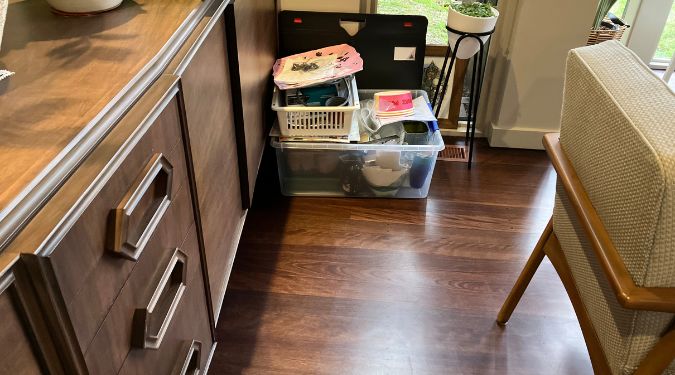
The value of a step-by-step approach
Many people delay getting help because the task feels too big. They look at the whole house and think, “There is no way I can do this.” That feeling is very common. The answer is usually not to do everything at once in a rushed and upsetting way. The answer is to break the work into smaller steps.
A step-by-step approach helps because it reduces panic. It gives the participant time to make decisions. It creates visible progress. It also allows support to be tailored. Some homes may need gentle sorting over time. Others may need a larger response because the environment has become unsafe.
In practice, this can be useful when a participant needs coordinated support rather than trying to manage everything alone. For some people, hoarding disorder home help, home decluttering for hoarding, and trauma informed cleanup can be the difference between feeling stuck and feeling supported.
Support for NDIS participants should be person-centred
Every NDIS participant is different. Some may live alone. Some may live with family. Some may have psychosocial disability, autism, intellectual disability, physical disability, acquired brain injury, or a mix of support needs. Some may need a lot of reassurance. Others may want clear structure and practical action. Good support respects these differences.
Person-centred support means asking: What matters most to this participant right now? Is it safe? Sleep? Access to the kitchen? Being able to let support workers in? Having a clear path to the bathroom? Hosting a family visit without shame? The right goal is not always “make the whole house perfect”. Often, the right goal is “make life easier and safer”. This is the heart of NDIS participant home support and thoughtful NDIS hoarding cleanup.
For many participants, practical systems like this can make support easier to manage. It also shows why compassionate hoarding support should always be tailored to the person, not just the property.
What readers should remember most
If you are an NDIS participant, a family member, or a support person reading this, the most important thing to know is this: hoarding support should never start with judgement. It should start with care. A crowded home is often a sign that life has been hard, not that someone has failed.
Compassionate hoarding support can help improve safety, hygiene, mood, family relationships, daily routines, and overall wellbeing. NDIS hoarding cleanup can reduce stress, support independence, save time, and help people feel more at ease in their own home. It can also help protect dignity, which matters just as much as practical outcomes. When delivered as trauma informed cleanup by a non judgemental cleaning service, it becomes much easier for people to accept help.
Most of all, real change does not have to happen all at once. It can begin with one small area, one kind conversation, and one decision made with support. A clear path, a clean bench, or a safe bed can be the start of something much bigger: feeling settled, respected, and at home again. That is why hoarding cleanup Melbourne, rubbish removal Melbourne, deep cleaning after hoarding, home decluttering for hoarding, NDIS participant home support, and hoarding disorder home help can all play an important role in helping people move forward.
Ready to take the first step? Contact Home Organisers on 03 8583 9103, email nancy@homeorganisers.com.au, or visit homeorganisers.com.au to arrange compassionate, non-judgemental support.
Key Takeaways
- Compassionate hoarding cleanup support helps NDIS participants create a safer, cleaner, and more manageable home.
- Hoarding is often linked to trauma, stress, grief, anxiety, or feeling overwhelmed, so support should always be gentle and respectful.
- A cluttered home can affect physical health, mental wellbeing, sleep, hygiene, safety, and daily routines.
- Non-judgemental, trauma-informed support helps people feel safe enough to accept help and make progress.
- Small changes, like clearing one walkway or one bench, can make a big difference to comfort, confidence, and independence.
- Hoarding cleanup can also improve family relationships by reducing stress and creating a more functional living space.
- Better organisation can save time, reduce waste, and make everyday tasks like cooking, cleaning, and finding important items much easier.
- The best support is person-centred, step-by-step, and based on the participant’s choices, consent, and dignity.
- Services such as decluttering, rubbish removal, and deep cleaning can work together to make the home safer and more liveable.
- Real progress does not have to happen all at once — it can begin with one small, supported step.
Case Study 1:
Gentle, Step-by-Step Support Helped an NDIS Participant Feel Safe at Home Again
When “Melissa” first reached out for help, she was not looking for a perfect home. She just wanted to feel safe in her space again.
Melissa was an NDIS participant living alone. Over time, her home had become harder to manage because of grief, anxiety, and ongoing health challenges. What started as a few piles of belongings slowly turned into blocked walkways, an unusable dining table, and a kitchen that felt too stressful to use. She felt ashamed and overwhelmed, and the thought of asking for help made her emotional.
What Melissa needed was not pressure. She needed compassionate hoarding support.
The team approached the situation gently, with a non judgemental cleaning service mindset from the very beginning. Instead of rushing in and trying to clear everything at once, they worked with Melissa step by step. She was included in decisions, her permission was respected, and the focus stayed on making the home safer and easier to live in.
This NDIS hoarding cleanup began with the most important areas first. A clear path was created from the bedroom to the bathroom. The kitchen bench was cleared so Melissa could prepare simple meals again. Unwanted rubbish was removed through careful rubbish removal Melbourne support, and the team also carried out deep cleaning after hoarding in the areas that needed extra care.
As the work continued, Melissa began to feel calmer. Her home looked different, but more importantly, it felt different. She could move around safely, sit in her lounge room again, and let support workers into the home without panic. This kind of NDIS participant home support did more than improve the space. It improved her daily routine, confidence, and emotional wellbeing.
For Melissa, home decluttering for hoarding was not really about “getting rid of things”. It was about creating room to breathe again. With trauma informed cleanup and respectful hoarding disorder home help, she was able to take small steps that led to meaningful change.
This is what thoughtful hoarding cleanup Melbourne support can look like when dignity stays at the centre.
Case Study 2:
A Family Found Hope Through Trauma-Informed Hoarding Cleanup Support
“David” lived with a family member who had been struggling for years. The home had gradually become filled with papers, bags, broken items, old containers, and things that no one felt ready to throw away. At first, the family tried to handle it on their own, but every attempt ended in stress, tears, and conflict.
The more they pushed, the harder things became.
By the time they asked for help, the house had become difficult to move through safely. There was very little clear floor space, one bedroom was no longer usable, and cleaning had become nearly impossible. The family felt exhausted, and the participant felt deeply embarrassed and misunderstood.
What changed the situation was finding compassionate hoarding support that focused on people, not just the property.
From the start, the process was handled with care. The team understood that this was not simply a cleaning job. It was a sensitive situation that needed trauma informed cleanup, emotional understanding, and a calm pace. The participant was reassured that no items would be removed without consent, which helped lower fear and rebuild trust.
The first stage of the NDIS hoarding cleanup focused on creating safe access through the home. Walkways were cleared, general waste was removed, and practical zones were established again. This included rubbish removal Melbourne services to take away unwanted waste, followed by deep cleaning after hoarding in areas where hygiene had become a real concern.
Once the home became more functional, the emotional shift was noticeable. The family no longer felt they had to argue about every item. The participant felt heard instead of judged. Rooms slowly became usable again, and the home started to feel calmer for everyone.
This kind of hoarding disorder home help did not just improve safety. It improved family relationships too. People could sit together in the living room again. Support workers could enter the home more easily. The participant began to take more pride in small daily routines, like making tea, changing bedding, and keeping one area tidy.
The family later shared that the most important part of the process was the kindness shown throughout. They had expected a standard cleaning team. What they received was NDIS participant home support delivered with patience, dignity, and understanding.
For this household, home decluttering for hoarding was not about forcing fast results. It was about creating a safe and respectful path forward. With the right non judgemental cleaning service, even a home that feels overwhelming can begin to feel liveable again.
FAQ: What Is Hoarding Cleanup Support for NDIS Participants?
- How does compassionate hoarding cleanup support help someone who feels overwhelmed and does not know where to begin?
Compassionate hoarding cleanup support helps by breaking a very big job into smaller, more manageable steps. Instead of focusing on the whole home at once, the process starts gently, helping the person feel safe, respected, and supported from the very beginning.
- What makes hoarding cleanup different from a standard cleaning or decluttering service?
Hoarding cleanup is different because it needs much more care, patience, and emotional understanding. It is not just about cleaning a space. It is about supporting a person through a sensitive situation in a way that protects their dignity and reduces stress.
- Can hoarding cleanup support help if the home has become unsafe for daily living?
Yes, hoarding cleanup support can help make the home safer by clearing walkways, improving access to important areas, reducing hazards, and creating a more liveable environment. This can make everyday tasks easier and lower the risk of falls, injury, and poor hygiene.
- What if the person feels embarrassed or ashamed about letting someone see their home?
That feeling is very common. A compassionate hoarding cleanup service understands that asking for help can feel deeply personal. The right support is calm, respectful, and non-judgemental, helping the person feel more comfortable and less alone throughout the process.
- How can trauma-informed hoarding cleanup support make the process feel less stressful?
Trauma-informed support means the team works gently, listens carefully, and avoids making the person feel rushed or judged. This approach helps build trust and makes it easier for the participant to take small steps forward without feeling overwhelmed.
- Can NDIS hoarding cleanup support make it easier for support workers or family to help at home?
Yes, it often can. When the home becomes safer and more organised, support workers and family members may find it easier to move through the space, assist with daily tasks, and spend time with the participant in a more comfortable environment.
- How does hoarding cleanup support improve emotional wellbeing as well as the home itself?
A cluttered and unsafe home can affect stress levels, mood, sleep, and confidence. When the space becomes cleaner and easier to manage, many people feel a sense of relief, comfort, and hope. Even small changes can have a big emotional impact.
- What kind of help is included in a hoarding cleanup service for NDIS participants?
Depending on the person’s needs, support may include sorting belongings, decluttering, rubbish removal, deep cleaning, improving access to rooms, and creating a more organised space. The aim is to make the home safer, cleaner, and easier to live in.
- Can hoarding cleanup support still work if the participant only wants to start with one small area?
Yes, absolutely. Starting small is often the best way to begin. Focusing on one room, one walkway, or even one surface can help build trust and confidence, making the whole process feel more manageable and less frightening.
- Why is a non-judgemental approach so important in hoarding cleanup support?
A non-judgemental approach matters because people are much more likely to accept help when they feel respected. Shame and pressure can make the situation harder, while kindness and understanding can help someone feel safe enough to begin making positive changes.
