

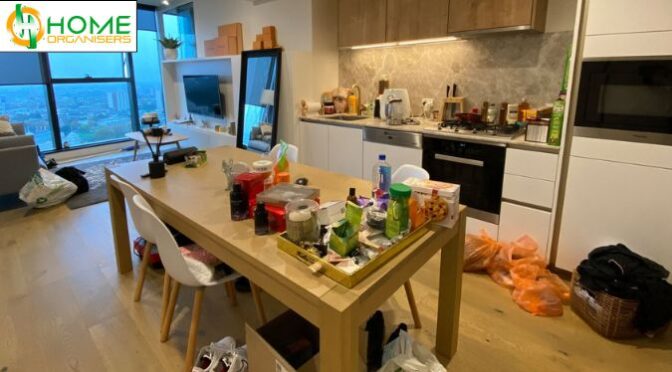
A trauma informed home organisation service helps you create a safer, calmer and easier-to-manage home without judgement or pressure. It recognises that clutter can be connected to stress, grief, trauma, disability, mental health, illness or overwhelm. You stay in control of decisions, including what to keep, move, donate or dispose of. The goal is not a perfect-looking home, but a space that supports your health, mood, family life, independence, productivity and overall wellbeing.
Letting someone into your home to help with organising can feel like a big step. For many people, clutter is not just “stuff”. It can be connected to stress, grief, illness, disability, family changes, trauma, mental health challenges, or simply years of feeling too overwhelmed to know where to begin.
A trauma-informed home organisation service understands this. It does not start with judgement. It starts with care.
The goal is not to make your home look perfect for a photo. The goal is to help you feel safer, calmer and more in control in your own space. It is about creating a home that works better for your real life, not someone else’s idea of what your home “should” look like.
Home Organisers describes home organising as a way to improve living spaces, support quality of life, create better flow and make areas of the home easier to use, including kitchens, bedrooms, bathrooms, garages, wardrobes, children’s rooms, studies, home offices and storage areas.
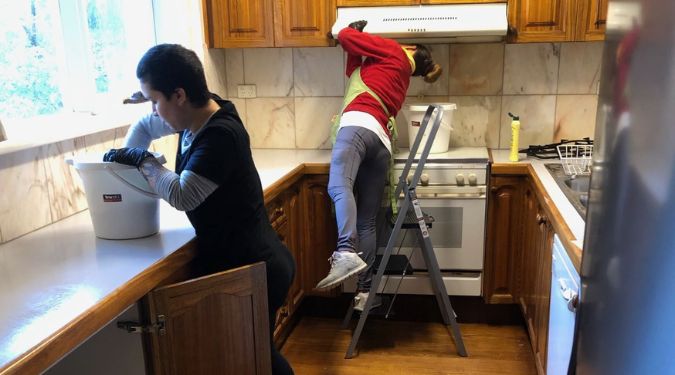
What does “trauma-informed” mean?
Trauma-informed means the people helping you understand that past experiences can affect how you feel, think, decide and respond.
For example, a person may feel anxious when someone touches their belongings. Another person may feel embarrassed about the state of their home. Someone else may freeze when asked to make too many decisions at once.
A trauma-informed organiser does not rush you, shame you or take over without permission. They work with you, not against you.
They understand that clutter can sometimes be a sign of deeper overwhelm. It may be linked to depression, anxiety, loss, family breakdown, injury, disability, chronic illness, caring responsibilities, or major life transitions. So instead of asking, “Why did you let it get this bad?”, they ask, “What would help you feel more comfortable and supported today?”
That small shift makes a big difference.
You should expect kindness, not judgement
One of the most important things to expect is a non-judgemental approach.
A trauma-informed home organisation service should make you feel respected from the first conversation. This kind of non judgemental home help is especially important when you already feel overwhelmed, embarrassed or unsure about where to begin. You should not feel blamed, criticised or embarrassed. Your home is your private space, and asking for help takes courage.
A good organiser will understand that every item may have a reason for being there. Some things may be useful. Some may hold memories. Some may feel hard to let go of. Some may simply be there because life became too busy or too heavy.
You should never feel silly for finding it difficult.
A trauma-informed team will usually speak calmly, explain what they are doing, and give you time to make choices. They will not treat your belongings like rubbish unless you agree they are rubbish. They will not make harsh comments about your home. They will focus on what can be improved, one step at a time.
The first step is usually a conversation
Before any organising begins, there is usually a conversation about what you need.
This may include questions such as:
What areas of the home feel hardest to manage?
What rooms matter most to you right now?
Are there safety issues, such as blocked walkways or trip hazards?
Are there items you do not want touched?
Do you want to be involved in every decision?
Would you prefer the team to work more independently after the first discussion?
Are there emotional triggers the team should know about?
This conversation helps the organiser understand your goals and your comfort level.
For some people, the goal may be to clear a bedroom so they can sleep better. For others, it may be to organise the kitchen so cooking becomes easier. Someone else may need help with paperwork, laundry, rubbish removal, downsizing, or preparing for support workers to safely enter the home. For people looking for NDIS home organisation Melbourne, this early conversation can also help make sure the support fits the person’s daily needs and goals.
Home Organisers explain that their process may include discussing your needs, arranging a visit, understanding your expectations and budget, and then working with you to organise and declutter the agreed areas.
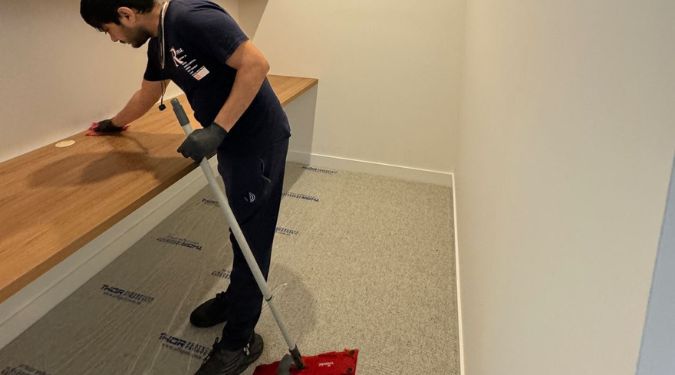
You stay in control of decisions
A trauma-informed service should protect your sense of choice.
This means you should be included in decisions about what stays, what goes, and what needs more time. You should not be forced to throw things away quickly. You should not be pressured into making decisions before you are ready. This is the heart of trauma informed decluttering: moving at a pace that feels safe, respectful and manageable.
Many organisers use simple categories, such as:
Keep
Donate
Recycle
Repair
Move to another room
Store safely
Dispose of
These categories make decisions easier. Instead of looking at a whole room and feeling frozen, you can focus on one item or one small area at a time.
For example, you might start with one drawer, one bench, one shelf or one corner of a room. Small wins matter. They build confidence.
If an item feels too hard to decide on, it can often go into a “decide later” box. This helps keep the process moving without forcing an emotional decision.
It can support your physical health
Clutter can affect the body in very real ways.
When walkways are blocked, it can increase the risk of trips and falls. When benches, floors or bathrooms are difficult to clean, dust, mould, pests or odours may become harder to manage. When the kitchen is cluttered, preparing healthy meals can feel too hard. When the bedroom is overloaded, sleep can suffer.
A trauma-informed home organisation service looks at the home as a living space, not just a storage space.
The aim is to make daily tasks easier and safer. That may mean clearing paths so you can move around more easily. It may mean placing everyday items where they are simple to reach. It may mean helping with rubbish removal so the home feels fresher and easier to clean.
For people living with disability, pain, fatigue, mobility changes or mental health challenges, this can be especially important. A well-organised home can reduce the amount of energy needed to do basic tasks.
For example, if your medications, keys, wallet and appointment letters all have a clear place, you do not have to search for them every day. If your laundry area is easier to use, washing clothes may feel less overwhelming. If your kitchen bench is clear, making breakfast may feel possible again. This is where disability support home cleaning can also play an important role, especially when cleaning and organisation need to work together.
These changes may look small from the outside, but they can make daily life much easier.
It can support your mental health
A cluttered home can make the mind feel busy, even when you are sitting still.
When there are piles everywhere, the brain may keep noticing unfinished tasks. Wash this. Sort that. Move this. Find that. Throw this away. Pay that bill. Fix that cupboard.
It can feel like noise.
For some people, this creates stress. For others, it creates guilt or shame. Some people avoid certain rooms because they feel too overwhelmed. Others stop inviting family, friends or support workers over because they feel embarrassed.
A trauma-informed organiser understands these feelings.
They know that clutter is not a character flaw. It does not mean you are lazy or careless. It usually means something has become too much to manage alone.
By creating order slowly and respectfully, home organisation can help reduce mental load. You may start to feel like the home is no longer shouting at you. You may feel clearer, calmer and more able to think.
It can help with emotional wellbeing
Homes hold emotions.
A pile of clothes might remind someone of a difficult period. A spare room may contain items from a loved one who has passed away. A garage may hold memories from a past relationship. Paperwork may bring up fear, stress or confusion.
This is why trauma-informed organising is not just about moving objects. It is about understanding that objects can carry meaning.
A good organiser will give you space when emotions come up. They will not make you feel weak for crying, pausing or needing a break. They will understand that grief, anxiety and overwhelm can appear during the process.
Sometimes, letting go of items can feel like letting go of part of your life. Other times, keeping too much can stop you from enjoying the life you have now.
A trauma-informed service helps you find a gentle balance. It asks, “Does this item support your life now?” rather than, “Why do you still have this?”
That question is kinder. It is also more useful.
It can improve family life
Clutter can affect the whole household.
Family members may argue about mess, lost items, blocked spaces or unfinished jobs. Parents may feel guilty if children’s rooms are hard to manage. Adult children may worry about an ageing parent’s safety. Partners may feel frustrated because the home no longer feels restful.
A trauma-informed home organisation service can help reduce some of this pressure.
When spaces are easier to use, family life often becomes smoother. Children can find school items more easily. Parents can prepare meals with less stress. Shared areas can become more welcoming. Laundry systems can be simpler. Important documents can be easier to locate.
It can also help families have better conversations.
Instead of blaming one person, the focus becomes: “How can this home work better for everyone?”
That matters because shame rarely helps families move forward. Clear systems, kind support and realistic expectations are much more helpful.
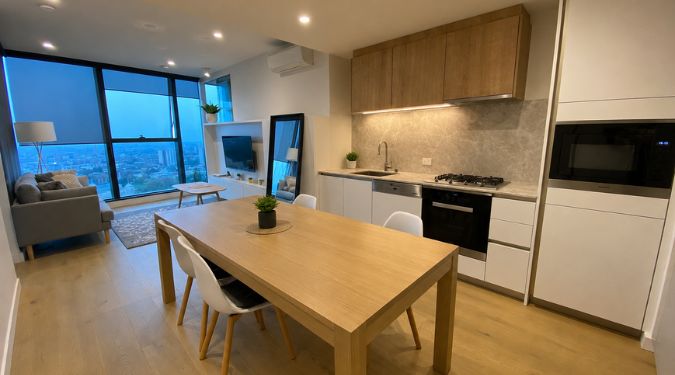
It can improve productivity
When your home is disorganised, everyday tasks take longer.
You may spend 20 minutes looking for keys. You may rebuy items because you cannot find the ones you already own. You may avoid paperwork until it becomes urgent. You may start cleaning one area, then get distracted by another, and end up feeling like nothing was finished.
Organisation helps reduce this wasted time.
A trauma-informed organiser can help create simple systems that match how you actually live. This is important. A system only works if you can keep using it.
For example, if you always drop your bag near the front door, it may make sense to create a proper drop zone there. If you open mail in the kitchen, paperwork storage may need to be nearby. If folding laundry feels too hard, labelled baskets may be more realistic than a complicated wardrobe system.
The best organising systems are simple, visible and easy to repeat.
A good organisation can support work, study, parenting, caring responsibilities and appointments. It can make mornings easier. It can make bills easier to manage. It can help you feel less behind.
It can lift your mood
Your surroundings can affect how you feel.
A dark, crowded or chaotic room can make you feel heavy. A clear, functional space can feel lighter. This does not mean your home needs to be perfect, expensive or minimal. It simply means the space should support you instead of draining you.
Even small changes can lift your mood.
A cleared bedside table can make bedtime feel calmer. A tidy kitchen bench can make the morning feel easier. A sorted wardrobe can make getting dressed less stressful. A clean lounge room can make it more enjoyable to sit down and rest.
Sometimes people think they need to fix the whole home before they can feel better. That is not true.
One clear surface can help. One organised drawer can help. One safe walkway can help. Progress is still progress, even when it is small.
It can support independence
For NDIS participants, older Australians, people with disability, and people recovering from illness or trauma, home organisation can support independence.
This might mean placing items at a safe height, reducing bending or reaching, clearing access to mobility aids, making bathroom items easier to find, or creating simple labels for storage.
When a home is set up well, a person may be able to do more for themselves.
They may be able to prepare a snack, choose clothing, manage personal care items, find important papers, or move safely from room to room.
This can build confidence.
A trauma-informed organiser does not assume what a person can or cannot do. They ask. They observe. They work with the person’s strengths. They may also work alongside family members, support coordinators, occupational therapists, cleaners or other support when needed. These kinds of participant focused services help make sure the support is shaped around the person, not just the task list.
The goal is to make the home more usable for the person who lives there.
It can help protect your money
Clutter can quietly cost money.
You may buy items you already own because you cannot find them. Food may expire in the pantry because it is hidden behind other items. Bills may be missed because paperwork is buried. Clothes may be damaged because they are stored poorly. Repairs may be delayed because the problem is hard to access.
Home organisation can help you see what you have.
A sorted pantry can reduce food waste. An organised wardrobe can help you wear more of your clothes. A clear paperwork system can help you keep track of bills, receipts, warranties and important documents. A better storage system can protect useful items from damage.
It can also help you make better decisions about what to keep.
Sometimes people hold onto things because they believe they are saving money. But if those items are blocking rooms, causing stress, creating safety risks or stopping the home from being used properly, the cost may be higher than it seems.
A trauma-informed organiser can help you look at these decisions with care, not pressure.
It can make cleaning easier
Cleaning and organising are different, but they work well together.
Cleaning is about removing dirt, dust, germs and grime. Organising is about deciding where things belong and setting up systems. When there is too much clutter, cleaning becomes much harder.
For example, it is difficult to wipe a bench covered in paperwork. It is hard to vacuum a floor covered in boxes. It is stressful to clean a bathroom if products, towels and laundry are everywhere.
Home organisation can make cleaning more manageable by clearing surfaces, grouping items, removing rubbish and creating better storage. When needed, compassionate cleaning services can support this process by helping the home feel fresher, safer and easier to maintain without making the person feel judged.
Home Organisers note that their organising and decluttering work may include arranging items neatly, removing rubbish from inside the premises, and freeing up space as agreed.
Once a home is easier to clean, it may also feel easier to maintain. You may not need to do a huge clean every time. Small regular tasks become more possible.
It can reduce shame
Shame is one of the biggest barriers to asking for help.
People may think, “I should have handled this myself.”
They may worry, “What will they think of me?”
They may feel, “No one else lives like this.”
But many people struggle with clutter, disorganisation or home overwhelm at different times in life. It can happen after illness, trauma, grief, disability, depression, family stress, financial stress, moving house, or years of caring for others.
A trauma-informed service understands this.
The right team will not walk in and make you feel small. They will help you breathe. They will help you begin. They will remind you that your worth is not measured by the state of your home.
This is important because people make better decisions when they feel safe. Shame can make people shut down. Kindness helps people keep going.
You can expect practical steps, not impossible standards
A trauma-informed home organisation service should be realistic.
It should not expect you to suddenly become a completely different person. It should not create complicated systems that look beautiful but are too hard to maintain.
Instead, the organiser should ask: What will actually work here?
For one person, clear plastic tubs may help because they can see what is inside. For another person, labels may help. For someone else, fewer categories may be better. For a person with fatigue, the best system may be the one that takes the least energy.
A good organising plan may include:
Clear walkways
Simple storage zones
Easy-to-reach everyday items
Labels or visual reminders
Donation and disposal areas
Paperwork sorting
Laundry systems
Kitchen and pantry organisation
Bedroom and wardrobe organisation
Garage or storage area organisation
A plan for maintaining the space
The aim is not perfection. The aim is function.
You may feel tired afterwards
This is normal.
Organising can be physically tiring, but it can also be emotionally tiring. You may be making many decisions. You may be remembering the past. You may be facing things you have avoided for a long time.
A trauma-informed organiser should understand this and encourage breaks when needed.
You do not need to push through until you are exhausted. In fact, it is often better to work in a steady, supported way. This helps reduce overwhelm and makes the process feel safer.
After a session, you may feel relieved, emotional, proud, tired or even uncertain. All of these responses are normal.
Change can feel strange at first, even when it is positive. A room that has been cluttered for years may feel unfamiliar when it is clear. Give yourself time to adjust.
You should expect privacy and respect
Home organisation involves personal things.
A team may see paperwork, clothing, medication boxes, family photos, private rooms, personal belongings or items connected to difficult memories. Privacy matters.
A trauma-informed service should treat your home and belongings with discretion. Your story is yours. Your home should not be treated as gossip or entertainment.
You should feel that the people helping you are professional, respectful and careful. Working with respectful home organisers can make it easier to feel safe, heard and involved throughout the process.
This is especially important for people who have experienced trauma, family violence, mental health challenges, hoarding behaviours, disability-related support needs or social isolation.
Trust is part of the work.
What should the end result feel like?
At the end of a session or project, your home may not be “finished” in every way. That is okay.
A good result may look like:
You can walk safely through the hallway.
You can sleep in your bedroom again.
You can prepare food more easily.
You can find important documents.
You can invite support workers in without feeling distressed.
You can use a room that was previously blocked.
You know where everyday items belong.
You feel less embarrassed.
You feel more hopeful.
The biggest change is often not just the room. It is how you feel in the room.
You may feel lighter. You may feel calmer. You may feel more capable. You may feel like your home is becoming yours again.
How to prepare for a trauma-informed organising session
You do not need to clean up before asking for help. That is the point of the service.
But a little preparation can help you feel more comfortable.
You might write down the areas that worry you most. You might choose a room you want to start with. You might make a list of items that must not be touched. You might think about whether you want a family member, support worker or trusted person present.
You can also let the organiser know if you feel anxious, embarrassed or unsure. A trauma-informed team will not see this as a problem. It helps them support you better.
It is also helpful to think about your main goal.
For example:
“I want to use my kitchen again.”
“I want my bedroom to feel calm.”
“I need to clear space for mobility equipment.”
“I want to find my paperwork.”
“I want support workers to enter safely.”
“I want to stop feeling overwhelmed when I walk inside.”
A clear goal gives the session direction.
What a trauma-informed service should not do
It is also useful to know what should not happen.
A trauma-informed home organisation service should not shame you. It should not mock your belongings. It should not throw things away without permission. It should not rush emotional decisions. It should not ignore your boundaries. It should not make you feel powerless in your own home.
It should also not create systems that only work for the organiser. The home belongs to you. The systems need to suit your needs, habits, health, energy and lifestyle.
You should feel heard.
If something does not feel right, you are allowed to speak up. You can ask the team to slow down, stop, explain, move to another area or leave certain items alone.
A helpful service meets you where you are
Every home has a story.
Some homes need a light reset. Some need deep decluttering. Some need rubbish removal. Some need careful sorting after grief or illness. Some need support after years of overwhelm. Some need systems for children, carers, support workers or changing health needs. Some people may also need sensitive hoarding support, where the focus is on safety, dignity and small, steady steps rather than blame or pressure.
There is no one-size-fits-all approach.
Home Organisers’ home organising page describes support for many parts of the home, including wardrobes, pantries, garages, bedrooms, bathrooms, children’s spaces, home offices and document organisation. It also notes that professional organising can save time, reduce stress and improve quality of life by creating functional spaces.
A trauma-informed approach adds another layer: emotional safety.
It says, “We can improve the space while still caring for the person.”
That is the heart of the work.
Final thoughts
A trauma-informed home organisation service is about much more than tidying.
It can support your physical health by making your home safer and easier to move through. It can support your mental health by reducing overwhelm. It can support emotional wellbeing by treating your story with care. It can help family life feel less tense. It can improve productivity by making everyday tasks easier. It can lift your mood, protect your money, support independence and make cleaning more manageable.
Most of all, it can help you feel more at home.
You do not need to have everything worked out before you begin. You do not need to feel confident. You do not need to explain every detail of how things became difficult.
You only need a starting point.
With patient, respectful and practical safe decluttering support, your home can become calmer, safer and easier to live in. And step by step, you can begin to feel more in control of your space, your routines and your daily life.
Need respectful, non judgemental home help?
Contact Home Organisers to discuss trauma informed home organisation and safe decluttering support.
Phone: 0468 081 399
Email: nancy@homeorganisers.com.au
Website: https://homeorganisers.com.au
Key Takeaways
- A trauma-informed home organisation service focuses on safety, respect and choice, not judgement or pressure.
- Clutter can be connected to stress, trauma, grief, disability, mental health challenges, illness or overwhelm.
- You stay in control of decisions about what to keep, donate, recycle, move, store or dispose of.
- The goal is not a perfect-looking home, but a home that feels safer, calmer and easier to live in.
- Trauma informed decluttering can support physical health by reducing trip hazards, improving access and making cleaning easier.
- A more organised home can reduce mental load, ease stress and help you feel more in control.
- Home organisation can support family life, daily routines, productivity, mood and emotional wellbeing.
- Simple systems, such as clear storage zones, labels and easy-to-reach items, can make everyday tasks less overwhelming.
- Compassionate cleaning services and safe decluttering support can help restore comfort, dignity and confidence at home.
- The right support meets you where you are and helps you take one manageable step at a time.
Case Study 1:
Creating a Safer, Calmer Home for an NDIS Participant
Background
Maria is an NDIS participant living in Melbourne. Over several years, her home had become harder to manage due to chronic pain, fatigue and anxiety. She found it difficult to keep up with daily tasks such as laundry, dishes, paperwork and rubbish removal.
At first, Maria felt embarrassed about asking for help. She worried that people would judge her home or pressure her to throw away belongings before she was ready. She had tried to declutter on her own many times, but each attempt left her feeling overwhelmed and exhausted.
Maria needed NDIS home organisation Melbourne support that was practical, calm and respectful.
The Challenge
Maria’s main concerns were:
- Narrow walkways that made it harder to move safely through the home
- A bedroom that no longer felt restful
- Laundry piles that felt impossible to catch up on
- Kitchen benches covered with items, making food preparation difficult
- Important paperwork spread across several rooms
- Anxiety about letting support workers into the home
The clutter was affecting more than the house. It was affecting Maria’s sleep, mood, confidence and daily independence.
The Trauma-Informed Approach
Home Organisers began with a gentle conversation about what Maria wanted to achieve. Instead of focusing on everything at once, the team asked what would make the biggest difference to her daily life.
Maria chose three goals:
- Clear safe pathways through the home
- Make the bedroom feel calm again
- Create a simple paperwork system
The team provided trauma informed home organisation by moving at Maria’s pace and checking in before touching personal items. They used trauma informed decluttering methods, sorting items into simple categories: keep, donate, recycle, rubbish and decide later.
Nothing was removed without Maria’s consent.
This gave her a sense of control, which helped reduce anxiety during the process.
Practical Support Provided
The team provided safe decluttering support by clearing walkways first. This helped reduce trip hazards and made the home easier to move through.
They then helped Maria organise her bedroom. Clothes were sorted into manageable groups, bedding was refreshed, and everyday items were placed within easy reach. The goal was not to create a perfect display, but to make the room feel restful and usable.
In the kitchen, the team cleared benches, grouped similar items together and removed expired food. This made meal preparation feel less overwhelming.
Paperwork was sorted into simple labelled folders, including medical documents, NDIS information, bills and personal records.
Where cleaning was needed, the team used compassionate cleaning services to support the organising work. This included wiping surfaces, removing rubbish and making key areas feel fresher and more comfortable.
Emotional Support
Maria found some decisions difficult, especially when sorting items connected to past memories. The team provided non judgemental home help, giving her time to pause when needed.
Instead of asking, “Why are you keeping this?”, they asked, “Would you like this item to support your life now, or would you prefer to decide later?”
This small change made Maria feel respected rather than pressured.
The service was also shaped around Maria’s disability and energy levels. Breaks were built into the session, and tasks were kept simple. This made the support feel like true participant focused services, rather than a one-size-fits-all clean-up.
The Outcome
By the end of the project, Maria’s home felt safer and calmer.
She could walk through the hallway without stepping over items. Her bedroom felt more peaceful. Her kitchen bench was usable again. Her paperwork was easier to find. Most importantly, Maria felt less ashamed and more confident asking for help in the future.
The combination of disability support home cleaning, practical organising and emotional safety helped Maria feel more in control of her home and routine.
Key Results
- Safer walkways throughout the home
- Reduced visual clutter in the bedroom and kitchen
- Easier access to daily essentials
- Simple paperwork system created
- Less anxiety about support workers entering the home
- Improved confidence and independence
- Greater sense of calm and dignity at home
What This Case Study Shows
This example shows that trauma informed home organisation is not just about tidying. It can support health, safety, independence, mental wellbeing and emotional confidence.
For NDIS participants, the right support can make the home easier to live in while protecting choice, dignity and comfort.
Case Study 2:
Sensitive Hoarding Support After Grief and Family Overwhelm
Background
David is a Melbourne resident who had been struggling since the loss of his partner. Over time, unopened mail, clothing, household goods, boxes and sentimental items began filling the home.
His adult daughter, Sophie, was worried about his safety. She noticed that David was avoiding visitors, missing bills and feeling increasingly isolated. However, every time the family tried to help him declutter, the conversation ended in stress or conflict.
David did not want to be judged. He also did not want his belongings thrown away without his permission.
The family needed sensitive hoarding support that respected David’s grief and emotional connection to his belongings.
The Challenge
David’s home had several areas of concern:
- The lounge room was difficult to use
- Paperwork and unopened mail were spread across tables and chairs
- Boxes blocked access to some cupboards
- The kitchen had limited bench space
- Some rubbish and recycling had built up
- Family conversations about the home had become tense
- David felt ashamed and defensive when the topic came up
The clutter was affecting David’s physical safety, emotional wellbeing and relationship with his family.
The Trauma-Informed Approach
Home Organisers started by listening to David’s concerns. He explained that many items reminded him of his partner and that he felt scared of losing those memories.
The team reassured David that the goal was not to “clear everything out”. The goal was to make the home safer and easier to live in while respecting what mattered to him.
This approach helped David feel less defensive.
The team used respectful home organisers who spoke calmly, explained each step and asked permission before moving personal items. They used trauma informed decluttering by breaking the work into small, manageable areas rather than trying to tackle the whole home at once.
Practical Support Provided
The first focus was safety. The team created clear pathways through the lounge room, kitchen and hallway. This gave David more room to move and reduced the risk of falls.
Next, they worked with David on paperwork. Instead of forcing him to sort everything quickly, the team created simple piles:
- Urgent bills
- Personal letters
- Medical documents
- Important records
- Recycling
- Unsure
This helped David feel less overwhelmed by the amount of paper.
The team then supported David to sort household items. Sentimental belongings were handled carefully. Some were placed in labelled memory boxes, while everyday items were moved to more practical locations.
Where rubbish and recycling had built up, the team provided safe decluttering support and arranged removal only after David agreed.
Cleaning was handled gently through compassionate cleaning services, with attention to areas that had become difficult for David to maintain. This helped make the home feel fresher without making him feel blamed.
Family Support
One important part of the process was helping the family shift from frustration to understanding.
Sophie had been worried about her father, but David had experienced her concern as criticism. The team helped reframe the goal: the family was not trying to take control of David’s home. They were trying to support his safety and wellbeing.
This helped reduce tension.
The service provided non judgemental home help not only for David, but also for his family. Everyone was encouraged to focus on small wins rather than the full scale of the clutter.
Emotional Support
Some moments were emotional. David became tearful while sorting items that belonged to his partner. The team paused and gave him time.
He was not rushed.
For some belongings, David was not ready to decide. These items were placed in a clearly labelled “review later” area. This allowed progress to continue without forcing painful choices.
This is a key part of trauma informed home organisation. It recognises that belongings may carry memories, grief and identity. Letting go is not always simple.
The Outcome
By the end of the support, David’s home was safer and more functional.
He could sit comfortably in his lounge room again. The kitchen bench had enough clear space to prepare simple meals. Important bills and documents were easier to find. Rubbish and recycling had been removed with his consent. Sentimental items were stored respectfully rather than scattered throughout the home.
David also felt less ashamed. He said the process felt different from past attempts because he did not feel attacked or rushed.
His daughter felt relieved because the home was safer, and their conversations became calmer.
Key Results
- Clearer pathways and safer movement through the home
- Lounge room made usable again
- Kitchen bench space restored
- Important paperwork sorted into simple categories
- Sentimental items stored with care
- Rubbish and recycling removed respectfully
- Reduced family tension
- Improved confidence and emotional wellbeing
What This Case Study Shows
This example shows how sensitive hoarding support can help when clutter is connected to grief, anxiety or emotional overwhelm.
The aim is not to shame someone into changing. The aim is to create safety, build trust and support small decisions that lead to a more manageable home.
With safe decluttering support, compassionate cleaning services and respectful home organisers, people can begin to restore comfort, dignity and confidence in their own space.
FAQ: What Is a Trauma-Informed Home Organisation Service?
- What if I feel embarrassed about letting someone see my home?
Feeling embarrassed is very common, especially if clutter has built up over time. A trauma-informed home organisation service is designed to offer non judgemental home help, so you are treated with respect, kindness and privacy from the beginning.
- Will I be forced to throw things away during trauma informed decluttering?
No. You stay in control of what happens to your belongings. A respectful organiser can help you sort items into simple categories, but decisions should always be made with your comfort, consent and pace in mind.
- Can home organisation help if my clutter is linked to grief, trauma or anxiety?
Yes. Trauma informed home organisation recognises that clutter can be connected to emotional experiences, not just habits. The focus is on creating a safer, calmer space while giving you time and support to make decisions gently.
- Is this service suitable for NDIS participants who feel overwhelmed at home?
Yes. NDIS home organisation Melbourne services can support participants who need help making their home safer, easier to use and more manageable. Support may include decluttering, organising, cleaning, rubbish removal and practical systems for daily living.
- What happens if I have hoarding behaviours or find it hard to let go of items?
Sensitive hoarding support moves slowly and respectfully. The goal is not to shame or rush you, but to improve safety, reduce overwhelm and help you make small, manageable decisions when you are ready.
- Can trauma-informed organisers work around my disability, fatigue or mobility needs?
Yes. Participant focused services should be shaped around your needs, energy levels and abilities. This may include clearing walkways, placing items within easy reach, simplifying storage and making daily tasks less tiring.
- How can safe decluttering support improve my mental health?
A cluttered space can make the mind feel busy and stressed. Safe decluttering support can reduce visual overwhelm, make rooms easier to use and help you feel calmer, clearer and more in control at home.
- Do I need to clean up before Home Organisers arrives?
No. You do not need to clean or organise before asking for help. Compassionate cleaning services and respectful home organisers are there to support you from where things are now, not from where you think they “should” be.
- Can home organisation help my family feel less stressed?
Yes. When shared spaces are easier to use, family life can feel calmer. Home organisation can reduce arguments about lost items, blocked areas, laundry, paperwork and daily routines by creating simple systems everyone can understand.
- What makes trauma informed home organisation different from regular tidying?
Regular tidying often focuses mainly on making a space look neat. Trauma informed home organisation focuses on emotional safety, choice, dignity, consent and practical function, so your home becomes easier to live in without making you feel judged or pressured.
