

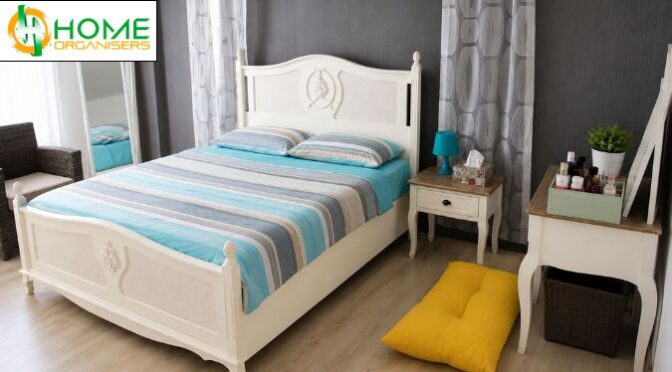
An organised home can help reduce stress, support better mental health, improve mood, make family life easier and save time and money. organised home mental health It does not need to be perfect. The goal is to create a home that feels safe, calm and easy to live in. calm home environment Small steps, like clearing one bench, sorting one drawer or creating a place for everyday items, can make daily life feel lighter and more manageable. home organisation benefits
Creating Calm Spaces: The Mental Health Benefits of an Organised Home
Home should be the place where you can breathe out.
It should feel safe, steady and welcoming. It should be the place you return to after a long day and think, “I can relax now.” But for many people, home does not always feel that way. When clutter builds up, when rooms become hard to move through, or when everyday items are difficult to find, home can start to feel stressful instead of calming.
This does not mean your home has to look perfect. A calm home is not a showroom. It is not about matching baskets, colour-coded cupboards or having everything spotless all the time. Real homes are lived in. They have washing, dishes, shoes by the door, school bags, paperwork and all the normal signs of daily life.
An organised home simply means your space works for you, not against you.
When your home is easier to move through, easier to clean and easier to use, your mind often feels lighter too. You may feel less overwhelmed, more in control and better able to handle the day. That is why organising is not just about “tidying up”. It can support your mental health, emotional wellbeing, family life, productivity, mood and even your finances.
Let us look at how.
Clutter Can Affect How We Feel
Most people have experienced that heavy feeling when they walk into a messy room.
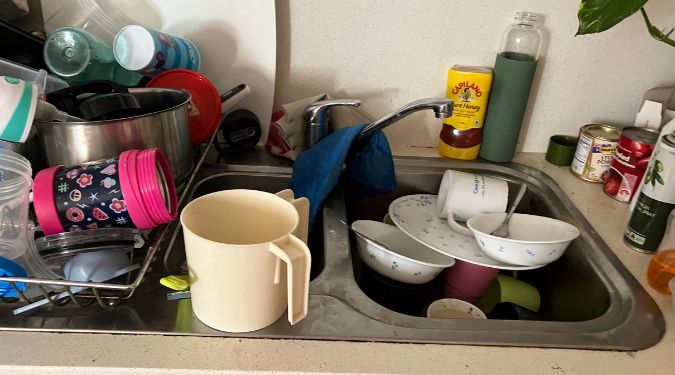
You may not even know where to start. There might be piles of clothes, unopened mail, dishes on the bench, toys on the floor or boxes that have not been unpacked for months. The mess may have started small, but over time it can begin to feel like a much bigger problem.
Clutter can make the brain feel busy. Even when you are sitting still, your eyes may keep noticing everything that needs to be done. The washing. The paperwork. The rubbish. The things that need to be put away. The things that do not have a home.
It can feel like your house is constantly reminding you of unfinished jobs.
That can be tiring.
For some people, clutter creates stress. For others, it creates guilt or embarrassment. Some people avoid inviting family or friends over because they feel ashamed of the state of their home. Others feel stuck because they know they want things to change, but the task feels too big. decluttering for mental wellbeing
This is why it is important to talk about clutter with kindness. A messy or cluttered home does not mean someone is lazy. Life can be difficult. People may be dealing with grief, illness, disability, injury, mental health challenges, trauma, caring responsibilities, financial stress or simply years of accumulated belongings.
Organisation is not about blame. It is about support.
An Organised Home Can Reduce Stress
One of the biggest benefits of an organised home is that it can reduce daily stress. stress free living space
Think about a busy morning. You need to leave the house, but you cannot find your keys. Then you cannot find your child’s school form. The clean shirt you wanted is in a pile somewhere. The kitchen bench is covered, so making breakfast feels harder than it should.
Before the day has even begun, you may already feel frustrated.
Now imagine a different morning. Your keys are in the same bowl near the door. Important papers are in one folder. Clothes are easier to find. The kitchen bench has enough clear space to make breakfast. The house does not need to be perfect, but it supports you.
That is the power of organisation.
Small systems can make daily life feel smoother. When things have a place, your brain does not have to work as hard. You do not waste as much energy searching, remembering, moving piles around or feeling annoyed by the same problems every day.
Less stress at home can also help your body. Stress can affect sleep, headaches, digestion, energy levels and patience. When your environment feels calmer, your nervous system may have more chances to settle.
A calm space gives your body the message: “You are safe. You can slow down.”
Organisation Can Support Mental Health
Mental health is affected by many things, including relationships, work, health, money, sleep and support systems. Your home environment is only one piece of the puzzle, but it can be an important one. clean home better mental health
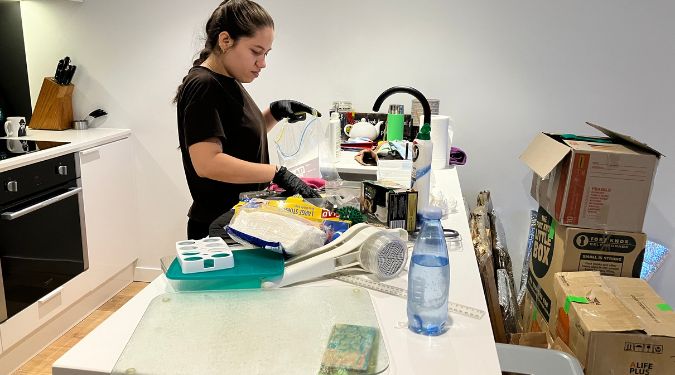
When your home feels chaotic, your mind may feel chaotic too. It can be harder to concentrate, make decisions or feel motivated. Simple jobs may feel overwhelming because there are too many steps in the way.
For example, doing laundry is harder when there are clothes on the floor, no clear basket system and nowhere to put clean items away. Cooking is harder when the pantry is crowded and the bench is full. Paying bills is harder when paperwork is spread across different rooms.
An organised home can remove some of these barriers.
It can help make everyday tasks more manageable. It can also give you a sense of progress. Even organising one drawer, one cupboard or one corner of a room can bring relief. You can see the change. You can feel the difference. That small success can build confidence.
This matters because many people feel stuck when their home becomes overwhelming. They may think, “What is the point? I will never get on top of this.” But organising does not need to happen all at once. Small steps count.
A clearer space can help create a clearer mind.
Emotional Benefits: Letting Go With Kindness
Clutter is not always just “stuff”. Often, belongings carry memories, emotions and stories.
A box may hold items from a loved one who has passed away. A wardrobe may contain clothes from a past version of your life. A garage may be full of things you planned to use one day. Children’s toys, old schoolwork, gifts, photos, letters and keepsakes can all be difficult to sort through.
This is why decluttering can feel emotional. reduce anxiety with decluttering
It is not always easy to decide what to keep and what to let go of. Some items may bring joy. Some may bring sadness. Some may bring guilt. Some may make you feel responsible for holding onto the past.
A helpful approach is to ask gentle questions:
Does this item support my life now?
Do I use it?
Do I love it?
Would someone else benefit from it more?
Am I keeping it because I want to, or because I feel guilty?
The goal is not to throw everything away. The goal is to make thoughtful choices. You can keep meaningful items while still creating more breathing space. Sometimes choosing a smaller memory box, taking photos of sentimental items, or passing things on to family members can help.
Letting go can be an act of care. Not just for your home, but for yourself.
Family Life Can Feel Easier
An organised home can make family life smoother.
In many homes, clutter causes arguments. One person cannot find something. Another person feels they are always cleaning up. Children leave things everywhere. Parents feel overwhelmed. Shared spaces become stressful.
Organisation can help reduce some of this tension.
When everyone knows where things belong, it becomes easier for the whole household to help. Shoes can go in one spot. School bags can have a place. Toys can be stored in simple tubs. Cleaning products can be kept safely together. Laundry can be sorted in a way that makes sense for the family.
Children also benefit from simple routines. A child may not be able to keep a perfect bedroom, but they can learn that books go on a shelf, toys go in a basket and dirty clothes go in a hamper. These habits can build independence over time.
Organisation can also create more quality time. If weekends are always spent catching up on mess, there may be less time for rest, hobbies or family activities. A more functional home can give families back some of that time and energy.
Again, the goal is not perfection. It is teamwork.
Productivity Improves When Things Are Easier to Find
A cluttered space can steal time.
You may spend five minutes looking for scissors, ten minutes searching for a bill, fifteen minutes trying to find a clean outfit or half an hour moving things around so you can clean. These small moments add up.
An organised home can help you get things done faster.
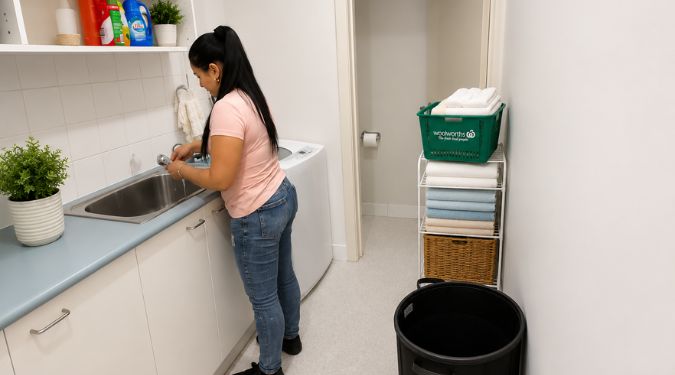
This is especially important if you work from home, study, run a household, care for others or manage appointments. A clear desk can make it easier to focus. A simple filing system can make paperwork less stressful. A tidy kitchen can make meals quicker to prepare. An organised laundry can make washing less of a mountain.
Productivity is not about being busy all the time. It is about making tasks easier so you have more energy left for the things that matter.
When your home is organised, you may procrastinate less because jobs feel smaller. Instead of thinking, “I cannot deal with this,” you may think, “I know where to start.”
That shift is powerful.
Mood and Energy Can Improve
Our surroundings can affect our mood.
A dark, crowded or messy room may make us feel drained. A clear, fresh and functional room may help us feel calmer and more hopeful. This does not mean an organised room can fix every problem, but it can support a better mood.
Simple changes can make a big difference:
Open the curtains and let in natural light.
Clear one surface, such as a bedside table or kitchen bench.
Remove rubbish from the room.
Put away items that belong somewhere else.
Add fresh bedding.
Create a calm corner with a chair, lamp or book.
These small steps can change how a room feels.
Many people find that once one area is organised, they feel motivated to continue. The change gives them energy. They may start with the kitchen bench, then move to the pantry, then a cupboard. Progress often creates more progress.
A calm space can lift your mood because it reminds you that change is possible.
Wellbeing Is About Daily Support
Wellbeing is not one big thing. It is made up of many small things we do each day.
Eating well. Sleeping enough. Moving our bodies. Taking medication if needed. Attending appointments. Keeping in touch with others. Resting. Managing stress. Feeling safe.
An organised home can support many of these habits.
For example, an organised kitchen can make it easier to prepare healthy meals. An organised bedroom can support better sleep. A clear bathroom cabinet can help you manage medication and personal care items. A tidy entryway can make it easier to leave the house on time. A clean living area can make it more comfortable to rest.
When your home supports your routines, wellbeing becomes easier to maintain. NDIS wellbeing support
This is especially important for people living with disability, chronic illness, mental health challenges or reduced mobility. A home that is cluttered or difficult to move through can create safety risks and make daily tasks harder. Clear pathways, practical storage and easy-to-reach essentials can make the home safer and more comfortable.
A well-organised home can help people feel more independent and supported.
Organisation Can Help With Money
An organised home can also support financial wellbeing.
Clutter can cost money in ways we may not notice at first. You may buy items you already own because you cannot find them. Food may expire because the pantry or fridge is too full to see what is there. Bills may be paid late because paperwork is misplaced. Clothes may be damaged because they are not stored properly.
When your home is organised, it is easier to know what you have.
You may waste less food. You may avoid buying duplicates. You may take better care of belongings. You may find items you forgot you owned. You may also be able to sell, donate or responsibly remove things that no longer serve you.
The organisation can also help with planning. A clear view of your pantry can make grocery shopping easier. A simple budget folder can help you track bills. A labelled storage area can stop seasonal items from being lost.
A calmer home can lead to calmer spending because you are making choices from a place of clarity, not panic or frustration.
Safety Matters Too
An organised home is not only about how a space looks. It is also about safety.
Clutter on floors can increase the risk of trips and falls. Blocked doorways can make it harder to leave quickly in an emergency. Overfilled rooms can make cleaning difficult, which may lead to dust, mould, pests or unpleasant smells. Stacks of items can fall. Electrical cords or overloaded power points can create hazards.
For older adults, people with disabilities, children or anyone with mobility challenges, clear pathways are especially important.
A safer home can reduce anxiety. When you know you can move through your space comfortably, access what you need and keep areas clean, the home can feel more secure.
Safety is a key part of calm.
Organising Does Not Have to Be Overwhelming
One reason people avoid organising is because they think they have to do the whole house at once.
You do not.
In fact, it is often better to start small. Choose one area that will make daily life easier. This might be your bedside table, kitchen bench, bathroom cabinet, entryway, laundry basket or one drawer.
A simple method is:
Take everything out of the small area.
Group similar items together.
Remove rubbish.
Put aside things that belong somewhere else.
Choose what you use, need or love.
Give those items a clear home.
This does not need to be perfect. You can adjust as you go.
The most important thing is to make the space easier to use.
Creating Calm Spaces Room by Room
Different rooms support different parts of life.
The bedroom should support rest. Keeping the bedside table clear, reducing clothes piles and creating a simple laundry system can help the room feel more peaceful.
The kitchen should support nourishment. Clear benches, grouped pantry items and easy access to everyday cooking tools can make meals less stressful.
The bathroom should support care. Sorting toiletries, safely storing medication and removing expired products can make morning and evening routines smoother.
The living room should support connection and rest. Reducing excess items, creating storage for blankets or toys, and keeping walkways clear can make the room more welcoming.
The home office or paperwork area should support focus. A simple system for bills, documents and important records can reduce worry and save time.
The garage or storage area should support access. Labelling boxes and keeping frequently used items easy to reach can stop storage spaces from becoming dumping grounds.
Each room has a job. Organisation helps each room do its job better.
Be Gentle With Yourself
It is easy to feel embarrassed about clutter. But many people struggle with it. Life changes quickly. A home can become overwhelming after illness, grief, family stress, moving house, having children, injury, disability or mental health challenges.
You are not alone, and you are not a failure.
A compassionate approach works better than a harsh one. Shame often makes people freeze. Kindness helps people begin. trauma informed organising
Instead of saying, “This place is terrible,” try saying, “This space is not working for me right now, and I can take one small step.”
Instead of saying, “I should have fixed this ages ago,” try saying, “I am starting where I am.”
That mindset matters.
When Extra Support Helps
Sometimes organising on your own is manageable. Other times, it is too much to handle without support.
You may benefit from help if rooms feel unsafe, clutter has built up over many years, rubbish removal is needed, cleaning feels impossible, or the emotional side of sorting belongings feels too heavy. supportive home services
Support can make the process less overwhelming. A calm, non-judgemental approach can help people make decisions, create systems and restore function to the home at a pace that feels respectful.
Asking for help is not a weakness. It is a practical step towards a safer, calmer and more manageable home.
Final Thoughts
An organised home is not about having a perfect house. It is about creating a space that helps you live with less stress and more ease.
When your home is organised, daily tasks can feel simpler. Your mind may feel clearer. Your mood may improve. Family routines can become smoother. You may save time, waste less money and feel more in control of your day.
Most importantly, an organised home can help you feel safe, calm and supported.
Start small. Choose one area. Make one decision. Clear one surface. Create one simple system.
A calmer home does not happen all at once. It is built step by step.
And every small step counts.
Create a calmer, more organised home with compassionate support from Home Organisers. Call 0468 081 399, email nancy@homeorganisers.com.au, or visit https://homeorganisers.com.au to learn more.
Key Takeaways
- An organised home can help reduce stress and make daily life feel calmer.
- A calm space can support better mental health, mood, sleep and overall wellbeing.
- Decluttering does not mean throwing everything away; it means keeping what supports your life now.
- Small steps, like clearing one drawer or one bench, can make a big difference.
- Simple systems can save time, reduce frustration and make routines easier.
- An organised home can support family life by making shared spaces easier to use.
- Clear pathways and practical storage can improve safety, especially for older adults and people with disabilities.
- Better organisation can help reduce waste, avoid duplicate purchases and support financial wellbeing.
- A kind, non-judgemental approach is important, especially when clutter feels emotional or overwhelming.
- Asking for support can be a practical step towards creating a safer, calmer and more manageable home.
Case Study 1:
Helping an NDIS Participant Create a Calmer, Safer Home
Background
Maria, an NDIS participant living in Melbourne, had been feeling increasingly overwhelmed at home. Over time, clutter had built up in her bedroom, kitchen and living area. She often found it hard to locate important items, including paperwork, medication, clean clothes and household essentials.
Her home did not feel restful anymore. Instead of being a place where she could relax, it had become a daily source of stress. Maria described feeling anxious every time she walked into the kitchen because the benches were full, the cupboards were difficult to access and she was often unsure what food she already had.
She wanted a calm home environment, but she did not know where to start.
The Challenge
Maria’s biggest challenge was not simply the clutter. It was the emotional weight attached to it.
Many items had memories connected to them. Some belonged to family members. Others were things she had bought during difficult periods and felt guilty about letting go of. She also worried that people would judge her home.
This made the idea of decluttering feel scary and exhausting.
The clutter was also affecting her daily routine. She was spending too much time searching for items, buying duplicate products and avoiding certain rooms. Her support coordinator noticed that Maria was becoming more withdrawn and suggested practical NDIS wellbeing support to help her create a safer and more manageable home.
The Approach
Home Organisers began with a gentle, non-judgemental conversation about what Maria wanted from her home. The goal was not to create a perfect house. The goal was to create a stress free living space that supported her daily life.
The team used a trauma informed organising approach, moving at Maria’s pace and checking in regularly before sorting personal items. They started with the kitchen because this was the area causing the most stress.
Items were grouped into simple categories: daily use, occasional use, expired, donate and rubbish. Clear bench space was created so Maria could prepare meals more easily. Pantry items were sorted so she could see what she had, reducing the chance of food waste and duplicate purchases.
The team then moved to the bedroom. Clothes were sorted into manageable groups, clean laundry was put away and storage was simplified so Maria could easily find outfits, bedding and personal items.
The Outcome
After the organising support, Maria said her home felt lighter and easier to manage. She could move around more safely, prepare meals with less stress and find her everyday items without feeling overwhelmed.
The changes supported organised home mental health by reducing the number of daily stress triggers in her environment. Maria also felt more confident inviting a trusted family member over, which helped her feel less isolated.
This case showed the real home organisation benefits that can come from small, practical changes. The home became easier to use, safer to move through and more emotionally supportive.
Most importantly, Maria felt respected throughout the process. She was not rushed or pressured. She was supported to make choices that felt right for her.
Key Result
Through gentle decluttering for mental wellbeing, Maria was able to reduce anxiety with decluttering and create a home that supported her health, independence and confidence.
Case Study 2:
Supporting a Family to Restore Calm, Routine and Connection
Background
The Thompson family contacted Home Organisers after their home had become difficult to manage. Between work, school, caring responsibilities and health challenges, clutter had slowly taken over the main living areas.
The dining table was covered with paperwork, school notes, toys and unopened mail. The laundry was overflowing. Shoes and bags were left near the front door, making mornings stressful. The kitchen was functional, but crowded, and meal preparation often felt harder than it needed to be.
The family wanted a clean home better mental health outcome, but they felt stuck in a cycle of tidying, losing control again and feeling frustrated.
The Challenge
The clutter was affecting the whole family.
Mornings were rushed because school items, keys and paperwork were often missing. Evenings felt tense because the living room was too cluttered to properly relax in. The parents felt guilty that they could not keep on top of everything, while the children struggled to understand where things belonged.
The home had stopped supporting the family’s routine. Instead, it was adding pressure to an already busy life.
They needed supportive home services that could help them create simple systems, not just a temporary tidy-up.
The Approach
Home Organisers focused on creating practical changes that the whole family could maintain.
The first step was the entryway. A simple system was created for school bags, shoes, hats, keys and daily essentials. This helped reduce the morning rush and gave each family member a clear place for their belongings.
Next, the dining table was cleared and paperwork was sorted. Important documents were placed into labelled folders, school notices were grouped together and unnecessary papers were removed. This gave the family back a shared space for meals and conversation.
In the living room, toys, books and blankets were organised into easy-to-use storage. The goal was not to hide every sign of family life, but to create a room that felt calmer and easier to reset at the end of each day.
The kitchen was also reviewed. Expired food was removed, pantry items were grouped and frequently used cooking items were placed within easy reach. This made meal preparation quicker and helped reduce food waste.
The Outcome
The family noticed a difference almost immediately. Their mornings became smoother because everyday items had a home. The parents felt less frustrated because they were no longer constantly searching, moving piles or reminding everyone where things should go.
The children responded well to the simple systems. Because the storage was easy to understand, they were able to help more with packing away toys, putting shoes in the right place and managing their school bags.
The living room felt more peaceful, and the dining table could be used again for family meals. This helped restore a sense of connection in the home.
This case showed how decluttering for mental wellbeing can support more than one person. When the home became calmer, the family’s mood, routine and communication improved too.
Key Result
By creating a calm home environment and a more stress free living space, the family experienced practical and emotional improvements. The service helped them reduce anxiety with decluttering, enjoy clearer routines and feel more in control of their home life.
FAQ: How Does an Organised Home Support Better Mental Health?
- How can home organising help me feel less overwhelmed at home?
Home organising can make daily life feel easier by creating clear spaces, simple systems and less visual clutter. When everyday items have a place, it can reduce stress, save time and help your home feel calmer and more manageable.
- What should I do if my home feels too cluttered and I do not know where to start?
Start with one small area, such as a drawer, bedside table or kitchen bench. You do not need to organise the whole home at once. Home Organisers can also provide supportive, non-judgemental help to break the process into manageable steps.
- Can decluttering really improve my mental wellbeing?
Yes, decluttering can support mental wellbeing by reducing stress, creating clearer spaces and helping daily routines feel less difficult. A calmer home environment can also support better focus, mood and rest.
- What if I feel embarrassed about asking for help with my home?
It is very common to feel embarrassed, but there is no need to feel ashamed. Home Organisers takes a compassionate and non-judgemental approach, supporting people at their own pace and focusing on practical progress, not perfection.
- How does an organised home support people living with disability or mental health challenges?
An organised home can make daily tasks safer, easier and less stressful. Clear pathways, accessible storage and simple routines can support independence, wellbeing and comfort, especially for people living with disability, chronic illness or mental health challenges.
- Is home organising the same as cleaning?
No. Home organising focuses on sorting belongings, creating practical systems and making spaces easier to use. Cleaning focuses on hygiene and surface care. In many homes, both can work together to create a safer, calmer and more functional living space.
- Can Home Organisers help if clutter has built up over many years?
Yes. When clutter has built up over time, it can feel too hard to manage alone. Home Organisers can help sort, organise and restore function to the home with a calm, respectful and trauma-informed approach.
- How can organising my home help my family’s daily routine?
Organisation can make it easier for everyone to find what they need, put things away and share responsibilities. Simple systems for school bags, shoes, laundry, paperwork and toys can reduce stress and make family life run more smoothly.
- What are the emotional benefits of creating a calmer home environment?
A calmer home can help people feel safer, more settled and more in control. It can reduce the constant feeling of unfinished tasks and create more space for rest, connection and everyday comfort.
- When should I consider getting professional home organising support?
Professional support may help if clutter feels overwhelming, rooms are hard to use, safety is becoming a concern, or you feel stuck trying to manage it alone. Getting help can be a practical step towards a more organised, peaceful and supportive home.
