


Positive Behaviour Support (PBS plans) are designed to improve quality of life by reducing challenging behaviours and increasing positive ones. A major focus of these plans is the environment—because the spaces people live and work in shape how they feel and behave. That’s why decluttering is not just about tidiness—it is one of the most effective environment-based interventions we can use.
Cluttered surroundings often create stress, confusion, and frustration. For many individuals, especially those supported by PBS plans, there is a strong connection between clutter and behaviour. A messy or chaotic environment can trigger unwanted behaviours, while a calm and organised space can encourage positive ones.
Decluttering, therefore, is more than a household task—it is a strategy that supports physical health, mental wellbeing, emotional regulation, family harmony, productivity, mood, and even financial stability.
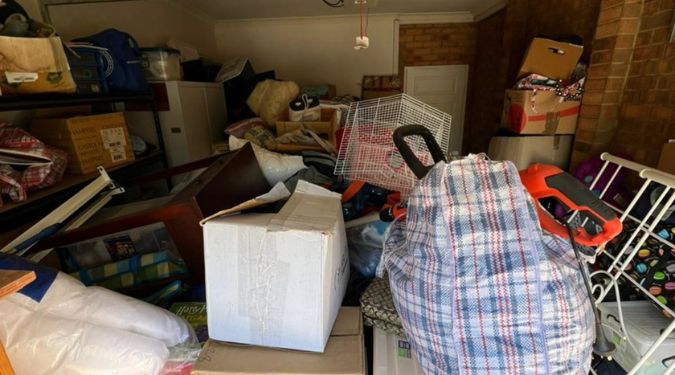
Decluttering and Health
Physical Health
The relationship between clutter and behaviour is closely tied to physical safety and health. Clutter can hide dust, allergens, and germs, leading to poor air quality and health problems such as asthma or allergies. It can also create tripping hazards, which is a major concern for individuals with mobility issues. In PBS plans, reducing risks through simple environment-based interventions like decluttering makes daily life safer and more predictable.
Sleep Health
A cluttered bedroom can impact sleep quality. For someone on a PBS plan, poor sleep often increases the likelihood of challenging behaviours. Decluttering bedrooms is a practical environment-based intervention that reduces overstimulation, creates calm, and supports healthy sleep routines.
Decluttering and Mental Wellbeing
Mental overload is another way that clutter and behaviour are linked. Cluttered spaces bombard the brain with too many signals, making it harder to think clearly or make decisions.
When included in PBS plans, decluttering helps reduce decision fatigue, minimise stress triggers, and provide clarity. This type of environment-based intervention makes it easier for individuals to focus, learn, and respond positively to their surroundings.
Emotional Benefits of Decluttering
Reducing Frustration
Losing items in a cluttered space can cause immediate frustration. For someone following a PBS plan, these small frustrations often escalate into bigger behavioural challenges. Decluttering removes these triggers.
Creating Calm
Order and simplicity bring calm. Decluttering is one of the easiest environment-based interventions for creating a soothing space that supports emotional regulation.
Boosting Confidence
When people feel capable of managing their environment, they build confidence. PBS plans often focus on skill-building, and decluttering is a way to practice independence, decision-making, and responsibility.
Decluttering in Family Life
The impact of clutter and behaviour extends beyond the individual—it influences families. Arguments about mess and misplaced items are common stress points. A structured, clutter-free space reduces conflict, builds cooperation, and helps families stick to consistent routines.
For families engaged in PBS plans, these routines are essential. Decluttering creates capable environments where everyone knows what to expect, and this predictability reduces the risk of conflict and behavioural flare-ups.
Productivity and Focus
Productivity suffers in cluttered spaces. The brain interprets clutter as “unfinished business,” leading to distraction and frustration. In PBS plans, productivity is closely tied to behaviour, because frustration often triggers avoidance or acting out.
Decluttering as an environment-based intervention helps individuals:
- Stay focused on tasks
- Reduce distractions
- Improve time management
- Build independence
For children, this means better focus at school or during homework. For adults, it can mean better performance at work or in daily life.

Mood and Emotional Regulation
Research clearly shows the link between clutter and behaviour when it comes to mood. Messy environments often lead to irritability, sadness, or anxiety.
Decluttering shifts this dynamic. It creates spaces that are uplifting, calm, and supportive of positive emotional regulation. For someone using a PBS plan, this can mean fewer behaviour incidents and more opportunities to engage positively with others.
Decluttering and General Wellbeing
General wellbeing is a balance of physical, emotional, and social health. Decluttering plays a major role in this balance by:
- Encouraging rest and relaxation
- Making it easier to welcome visitors
- Supporting hygiene and safety
- Creating order and predictability
In PBS plans, predictability is critical. A decluttered home is a stable, structured environment—one of the most effective environment-based interventions for supporting overall wellbeing.
Financial and Wealth Benefits
The link between clutter and behaviour also extends to money. Clutter often hides wasted spending—duplicate purchases, spoiled food, and misplaced items.
By decluttering, families can save money and reduce financial stress, which is a known trigger for behavioural challenges. Within PBS plans, this is another way that environment-based interventions indirectly reduce stress and support stability.
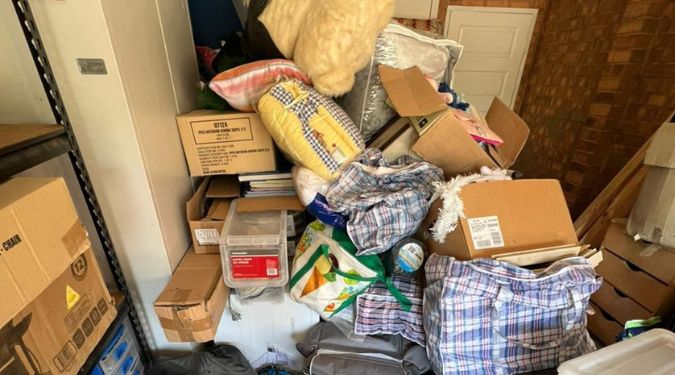
Decluttering as a Preventive Strategy in PBS
The core of PBS plans is prevention. Instead of reacting to behaviours, PBS works to design environments where behaviours are less likely to occur. Decluttering is an ideal preventive tool because it removes triggers and creates positive spaces.
This is why environment-based interventions like decluttering are essential:
- They remove common stressors (mess, overstimulation, frustration)
- They promote positive routines and structure
- They provide safe, predictable settings
- They reduce opportunities for conflict
Decluttering is not just a one-time action—it is an ongoing process that directly supports prevention in PBS.
Practical Steps for Including Decluttering in PBS Plans
To integrate decluttering effectively into PBS plans, here are simple strategies:
- Start with one area—a desk, pantry, or wardrobe.
- Create predictable systems so everyone knows where things belong.
- Involve the person in making choices about what stays and what goes.
- Use visual supports like labels or picture charts.
- Schedule regular check-ins to keep clutter from building again.
Each of these steps represents a practical environment-based intervention that strengthens the overall PBS approach.
The Bigger Picture
Decluttering is not just about neatness. It’s about recognising the strong connection between clutter and behaviour and using it as part of a holistic support strategy. In the context of PBS plans, decluttering:
- Prevents frustration and stress
- Encourages independence and skills
- Strengthens family routines
- Improves mood and emotional wellbeing
- Saves money and reduces financial strain
- Promotes health and safety
Above all, it creates capable environments—clear, supportive, and predictable spaces that reduce behavioural risks and promote positive outcomes. This is exactly what environment-based interventions are designed to achieve.
Conclusion
Positive Behaviour Support is more than behaviour management—it’s about building lives filled with opportunity and wellbeing. Decluttering may seem simple, but in the framework of PBS plans, it is a powerful tool.
By addressing clutter and behaviour directly, decluttering reduces triggers, prevents stress, and makes positive behaviours more likely. As one of the most practical environment-based interventions, decluttering improves health, strengthens families, boosts productivity, and supports emotional wellbeing.
In short: less clutter, less stress, and more room for positive growth.
Ready to create a calmer, more supportive space?
Call us on 03 8583 9103, email nancy@homeorganisers.com.au, or visit homeorganisers.com.au to get started today.
Case Study 1
Decluttering a Family Living Room to Reduce Behavioural Triggers
Background
A Melbourne family reached out because their 10-year-old son, who was on a Positive Behaviour Support (PBS plan), often became frustrated and withdrawn at home. The main challenge was the living room—piles of toys, books, and paperwork created chaos. The parents noticed a strong link between the clutter and behaviour. When the room was messy, their son was easily triggered, often leading to meltdowns.
Intervention
Working together, the family and Home Organisers introduced simple environment-based interventions. These included:
- Sorting toys into labelled bins for easy access.
- Removing unused or broken items that created visual clutter.
- Creating “zones” for quiet activities and family time.
- Establishing a nightly 10-minute reset routine.
Results
Within weeks, the family reported fewer conflicts and meltdowns. Their son became more engaged in family activities, and his PBS practitioner noted improvements in emotional regulation. The family also experienced less stress and more cooperation.
Case Study 2
Creating a Calm Bedroom for Better Sleep and Emotional Balance
Background
A young adult with autism was struggling with sleep difficulties, which often led to increased anxiety and irritability during the day. Her PBS plan highlighted the importance of improving sleep routines, but the bedroom environment itself was working against her. Piles of clothes, scattered belongings, and overstimulation from too many items on display were clear signs of the connection between clutter and behaviour.
Intervention
The decluttering process focused on making the room calm and predictable:
- Simplifying storage with baskets and clear drawers.
- Removing unnecessary visual distractions.
- Introducing soft lighting and calming colours.
- Setting up a simple evening tidy-up routine as part of her PBS strategy.
Results
The young adult reported falling asleep faster and waking less during the night. With improved rest, she showed fewer daytime behaviour challenges, and her mood stabilised. Her family also felt more confident that the environment-based interventions supported her overall wellbeing.
FAQs About Decluttering and Its Impact on Positive Behaviour Support Plans
- How does decluttering really make a difference in PBS plans?
Decluttering removes stress triggers like mess, confusion, and overstimulation. For people supported by PBS plans, a tidy space can mean fewer outbursts, smoother routines, and a calmer home environment.
- My loved one struggles with change. How can we declutter without overwhelming them?
Decluttering doesn’t have to happen all at once. In PBS plans, small, predictable steps—like clearing a single drawer or shelf—help build confidence without creating distress.
- Can decluttering improve sleep and daily routines?
Yes. Bedrooms free of clutter are calmer, helping with better sleep. Organised spaces also make morning and evening routines less stressful, which is especially important in PBS plans.
- We argue about mess at home. Can decluttering reduce family conflict?
Absolutely. Clutter often causes frustration and blame. A structured, clutter-free environment helps families create consistent routines and reduces arguments.
- Is decluttering only about tidiness, or does it affect health too?
Decluttering improves physical health by reducing dust, allergens, and tripping hazards. A safe, clean environment supports both wellbeing and positive behaviours.
- Can decluttering save money as well as reduce stress?
Yes. Families often find duplicate items, expired food, or things they forgot they owned. Decluttering cuts down on waste and helps prevent unnecessary spending.
- How can decluttering boost independence in PBS plans?
When everything has a clear place, individuals can find and return items themselves. This builds independence, confidence, and responsibility.
- What if clutter keeps coming back?
Decluttering is an ongoing process. PBS plans recommend creating simple systems—like labelled bins or regular tidy-up routines—that prevent clutter from building up again.
- Can Home Organisers help us create a PBS-friendly environment at home?
Yes. We specialise in creating organised, supportive spaces that reduce stress and make positive behaviours more likely. With the right systems in place, your home can truly support everyone’s wellbeing.
