

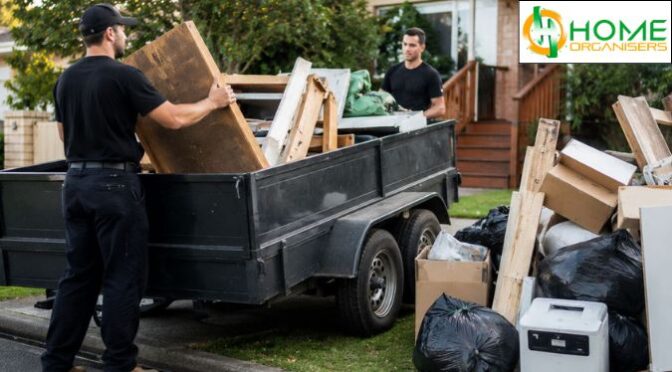
Rubbish removal Melbourne and deep cleaning services Melbourne can make a home safer, healthier and easier to enjoy. Clearing unwanted items creates more space, reduces hazards and makes daily tasks simpler. Deep cleaning then removes built-up dust, grime, odours and germs, helping the home feel fresher and calmer. Together, decluttering and rubbish removal, home transformation cleaning and practical home refresh services can improve mood, wellbeing, family life, productivity and confidence, while creating a more comfortable, manageable and organised living environment.
A home should feel safe, calm and easy to live in. It should be a place where you can rest, move around without stress, cook a meal, have a shower, sleep well and feel comfortable. But when rubbish builds up or cleaning becomes too hard to keep on top of, the home can start to feel heavy.
It may become harder to walk through rooms. Benches may disappear under piles of items. Floors may collect dust, stains or clutter. Old furniture, broken appliances, cardboard boxes, spoiled food, unwanted clothing or general household waste can take over space little by little. At first, it might not seem like a big issue. But over time, it can affect health, mood, family life, safety, money and daily routines.
This is where rubbish removal Melbourne and deep cleaning services Melbourne can make a real difference.
Rubbish removal helps clear away the things that no longer belong in the home. Deep cleaning then gives the space a proper reset. Together, they can transform a living space from stressful and hard to manage into something safer, fresher and more peaceful. This kind of home transformation cleaning is about making everyday life easier, not creating pressure to have a perfect house.
This transformation is not about having a perfect home. It is about creating a home that supports your life instead of making life harder. With the right decluttering and rubbish removal, even a space that feels overwhelming can begin to feel possible again.
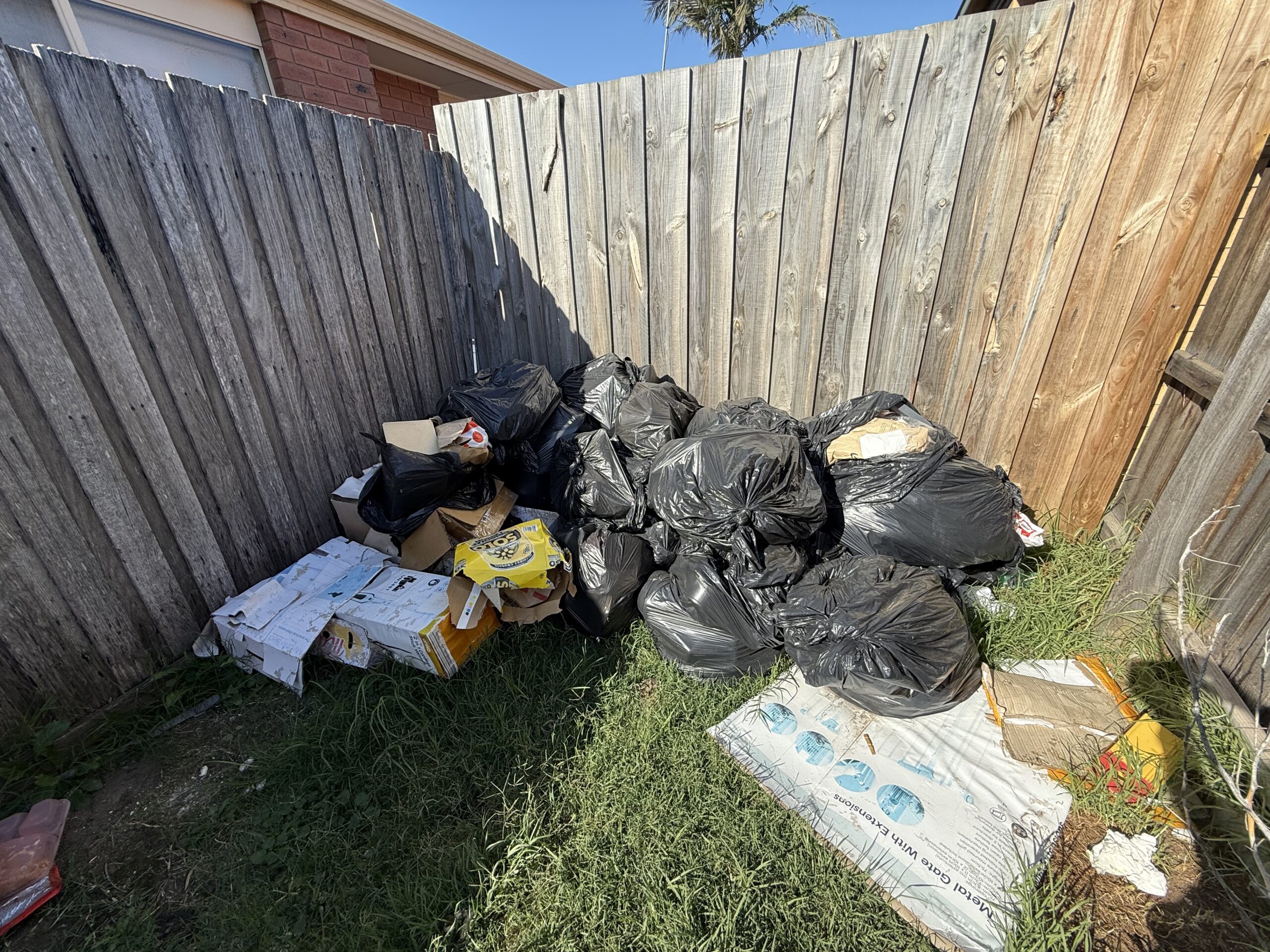
Why rubbish builds up in the first place
Rubbish and clutter can build up for many reasons. Sometimes life simply gets busy. Work, caring duties, health problems, disability, grief, injury, mental health challenges or family stress can make it hard to keep up with household tasks.
For some people, rubbish builds up after a big life event, such as moving house, losing someone, going through illness or managing a change in routine. For others, it may happen slowly over months or years. One bag becomes three bags. One room becomes difficult to use. Then another area starts to feel overwhelming.
It is important to understand that a messy or cluttered home is not a sign that someone is lazy or careless. Often, it is a sign that life has become too much in some way. That is why the best approach is compassionate and practical, not judgemental. This is especially important when someone needs cleaning support for disability, mental health challenges or long-term overwhelm.
The first step is not blame. The first step is support.
What rubbish removal actually does for a home
Rubbish removal is more than taking things to the tip. It helps remove items that are making the home unsafe, crowded or hard to use. For many households, decluttering and rubbish removal work best together because they clear both unwanted items and the stress attached to them.
This can include broken furniture, old mattresses, unused appliances, excess packaging, bags of household waste, garden waste, unwanted items, damaged goods or clutter that no longer serves a purpose. This type of household rubbish removal can make a home feel lighter almost straight away.
Once these items are removed, the home can change quickly. Walkways become clearer. Doors can open properly. Rooms feel bigger. Floors become safer. Cleaning becomes easier because there are fewer things in the way. For many people, this is the first visible step in home transformation cleaning.
Many people feel surprised by how different their home feels after rubbish is removed. A room that once felt impossible to deal with may suddenly feel manageable again. Even clearing one area can create a strong sense of relief.
Rubbish removal gives the home breathing space. It can also mark the beginning of an end of clutter cleanup, where the goal is not perfection but a safer and more usable home.
What deep cleaning adds after rubbish removal
After rubbish is removed, deep cleaning helps refresh the space. Everyday cleaning usually means wiping benches, vacuuming floors, washing dishes or cleaning the bathroom. Deep cleaning goes further.
It may involve cleaning built-up grime, dust, grease, stains, odours, mould-prone areas, skirting boards, cupboards, floors, walls, kitchens, bathrooms and high-touch surfaces.
Deep cleaning is especially important when a home has not been cleaned properly for some time. Dirt can settle into corners. Dust can gather behind furniture. Food spills can attract pests. Bathrooms can develop soap scum and bacteria. Kitchens can collect grease and odours.
A deep clean helps restore freshness and hygiene. It can make the home smell better, look brighter and feel more comfortable. For people who need extra practical help at home, NDIS deep cleaning and cleaning support for disability can also support safer, more manageable living.
Rubbish removal clears the space. Deep cleaning brings it back to life. Together, rubbish removal Melbourne and deep cleaning services Melbourne can help turn a difficult home environment into a cleaner, calmer and more organised living environment.
The health benefits of a cleaner living space
A cleaner home can support better physical health. Dust, mould, bacteria, pet hair, old food, pests and general grime can all affect the body.
For people with asthma, allergies or breathing problems, dust and mould can make symptoms worse. A deep clean can help reduce triggers in the home. Cleaning floors, surfaces, carpets, bathrooms and kitchens can improve the overall environment.
Rubbish removal can also reduce pest problems. Food waste, old packaging and piles of items can attract insects or rodents. Removing rubbish helps take away places where pests can hide or feed. Regular household rubbish removal can also stop small issues from becoming bigger problems.
A cleaner home also lowers the risk of infections. This is especially important in kitchens and bathrooms, where bacteria can grow if surfaces are not cleaned well. Clean benches, sinks, taps, toilets and showers help support everyday hygiene.
There is also the issue of safety. Rubbish and clutter on floors can create trip hazards. This can be dangerous for older people, children, people with disability, people recovering from surgery or anyone with limited mobility. Clearer walkways can reduce the chance of falls, especially when decluttering and rubbish removal are done with safety in mind.
In simple terms, a cleaner home can help you breathe easier, move more safely and feel more protected.
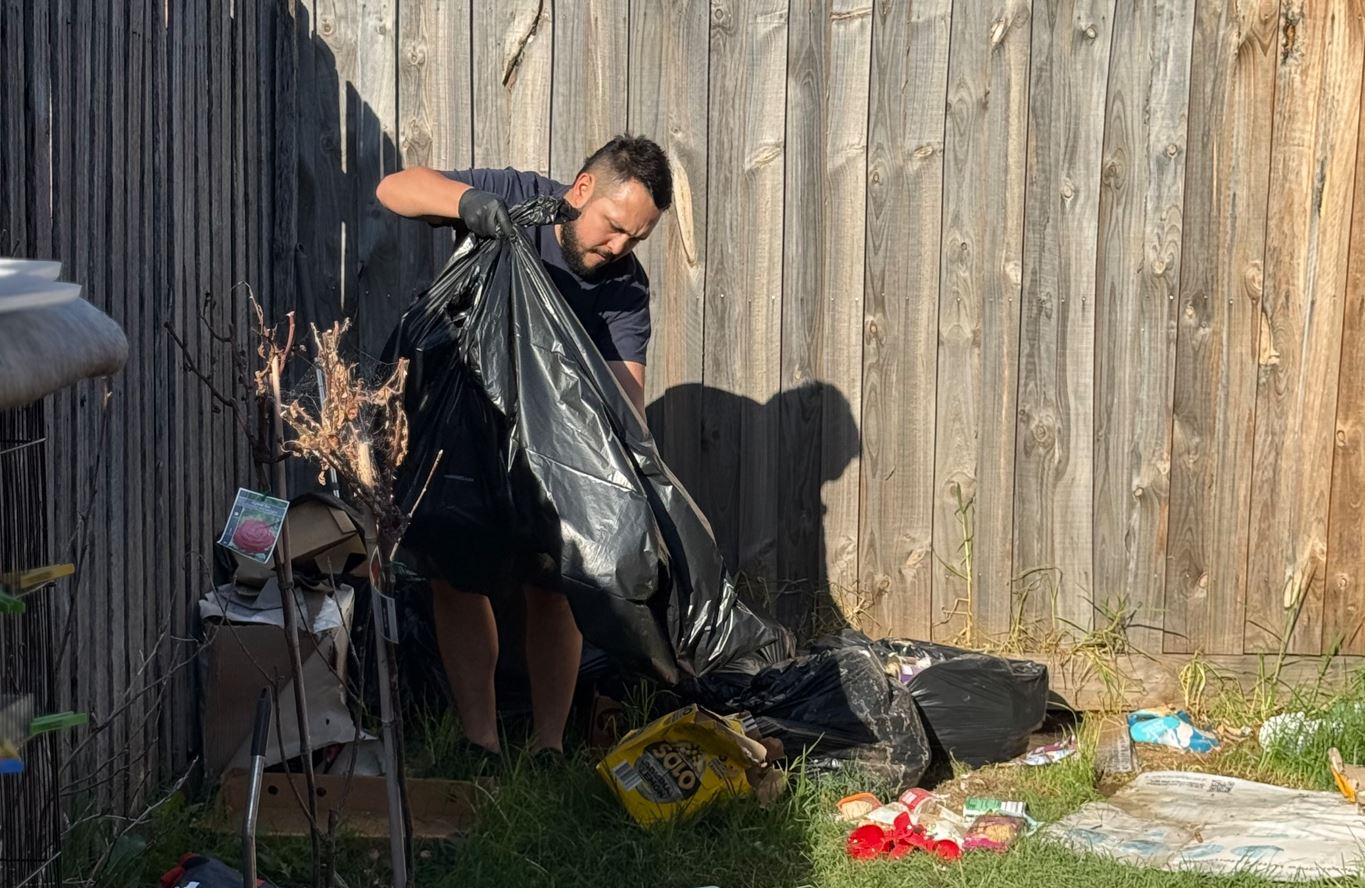
The mental load of a cluttered home
A cluttered or dirty home can take up a lot of mental energy. Even when you are not actively thinking about it, your brain may still notice the mess.
You may walk into a room and immediately feel tired. You may avoid certain areas because they feel too hard to deal with. You may feel stuck before you even begin.
This is called mental load. It is the invisible weight of all the things you know need to be done.
When rubbish is removed and the home is deeply cleaned, that mental load can become lighter. You no longer have to keep thinking, “I need to deal with that pile,” or “I cannot let anyone see this room,” or “Where do I even start?”
A clearer space can help create a clearer mind. It becomes easier to focus, make decisions and enjoy simple daily tasks. This is one reason home transformation cleaning can feel so powerful. It is not just about the home looking better. It is about the mind feeling less crowded too.
You do not need a spotless house to feel better. Sometimes, you just need a home that feels less overwhelming.
Emotional relief and confidence
Many people feel shame when their home becomes difficult to manage. They may worry about being judged. They may avoid visitors. They may feel embarrassed when support workers, family members or tradespeople need to come inside.
This emotional stress can be heavy. It can make people feel isolated and alone.
Rubbish removal and deep cleaning can help reduce that shame. When the home starts to improve, people often feel a sense of relief. They may feel more confident opening the door. They may feel proud of their space again. They may feel like they have taken an important step forward.
The emotional change can be just as important as the physical change. Gentle home refresh services can help people feel supported rather than judged.
A clean and clear home can say, “I am safe here. I can manage today. I deserve to feel comfortable.”
How it can improve mood
Your surroundings can affect your mood. A dark, cluttered or dirty space can make you feel flat, stressed or irritated. A fresh, open and clean space can help you feel calmer and more hopeful.
This does not mean a clean home solves every problem. Life can still be hard. But your home can either add to your stress or support you through it.
Imagine waking up and being able to walk into the kitchen without stepping over rubbish. Imagine making a cup of tea on a clean bench. Imagine sitting in a lounge room that smells fresh and has space to move. These small things can make a big difference to how the day feels.
A better space can create a better start to the day. And a better start can affect everything that follows. In this way, an organised living environment can support a steadier mood and a calmer routine.
The impact on family life
Rubbish and mess can create tension in families. People may argue about cleaning, chores, smells, safety or space. Children may not have room to play. Parents may feel guilty or stressed. Partners may feel frustrated. Family members may stop inviting people over.
When the home is cleared and cleaned, family life can become easier. Shared spaces become more usable. Children can play more safely. Meals can be prepared with less stress. Laundry can be managed more easily. Everyone may feel less on edge.
A cleaner home can also help families spend more positive time together. Instead of focusing on what is wrong with the house, they can use the space for everyday living.
This might mean eating dinner at the table again. Watching a movie together in the lounge room. Helping children with homework. Having a family member visit without panic cleaning first.
A healthier home environment can support healthier relationships. For households under pressure, decluttering and rubbish removal can be a practical way to reduce daily stress and make shared spaces feel welcoming again.
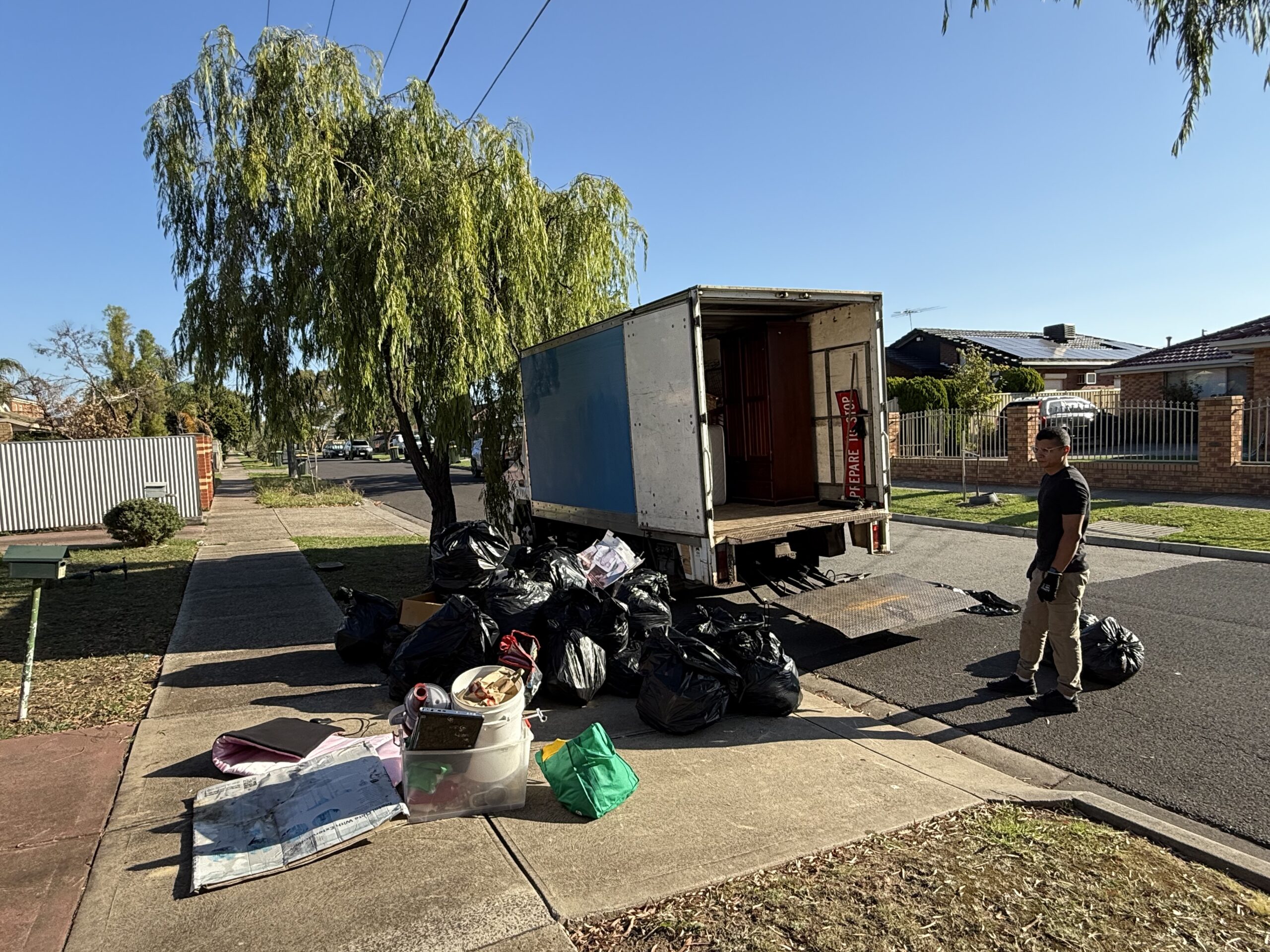
Better productivity and daily routines
It is hard to be productive in a space that feels chaotic. When items are everywhere, simple tasks take longer. You may waste time looking for keys, paperwork, clothing, medication, chargers or household items. You may start a job and then give up because there is too much in the way.
A clear and clean home makes daily routines simpler.
Cooking is easier when benches are clear. Getting dressed is easier when clothes are organised. Cleaning is easier when floors are accessible. Paying bills or completing paperwork is easier when there is a usable table or desk.
This can save time and energy every day.
For people working or studying from home, the impact can be even greater. A cleaner space can help improve focus. It can reduce distractions and make it easier to complete tasks.
Productivity does not always mean doing more. Sometimes it means making everyday life less difficult. A good end of clutter cleanup can remove the blocks that make ordinary tasks feel harder than they need to be.
How it supports independence
For older people, people with disability or people managing health conditions, a safer and cleaner home can support independence.
If the home is too cluttered, it may become difficult to move around with a walker, wheelchair or mobility aid. If the bathroom is not clean, showering may feel unsafe. If the kitchen is crowded or unhygienic, preparing food may become harder.
Rubbish removal and deep cleaning can help make the home more functional. Clear walkways, safer floors, cleaner bathrooms and more usable kitchens can support people to do more for themselves.
This can also make it easier for support workers, carers, cleaners, occupational therapists or family members to provide help when needed. For NDIS participants, NDIS deep cleaning and cleaning support for disability can play an important role in keeping the home safer, healthier and more suitable for daily living.
A well-maintained home can support dignity, choice and independence.
Financial benefits of clearing and cleaning
Rubbish removal and deep cleaning can also have financial benefits.
When a home is cluttered, it is easy to lose or damage important items. Bills, documents, keys, glasses, tools and personal belongings can get buried. Replacing lost items costs money.
Clutter can also hide maintenance problems. A leak, pest issue, mould patch or damaged floor may go unnoticed if areas are blocked by rubbish or items. By the time the problem is found, it may be more expensive to fix.
Deep cleaning can help protect parts of the home, too. Carpets, flooring, benches, ovens, bathrooms and walls can last longer when they are properly cleaned and cared for.
If someone is renting, keeping the home clean and safe can help avoid disputes, extra cleaning costs or damage issues. If someone owns their home, maintenance helps protect the value of the property.
A clean home is not just about appearance. It can help protect your money and your living conditions. Practical home refresh services and regular household rubbish removal can help prevent small problems from becoming costly repairs.
Better use of space
Many homes have more usable space than people realise. The problem is that the space is hidden under rubbish, clutter or items that are no longer needed.
A spare room may become a storage room. A garage may become too full to use. A dining table may become a dumping ground. A laundry may become difficult to access.
Rubbish removal helps reclaim these areas. Deep cleaning then makes them pleasant and practical again. Together, they can support an organised living environment that is easier to use and easier to maintain.
This can change how the whole home works. A spare room might become a guest room, study, craft area or calm space. A garage might be used for storage that is actually organised. A dining table might become a place for meals again.
Reclaiming space can make a home feel larger without moving house. This is one of the biggest benefits of home transformation cleaning: it helps people see what their home can become again.
Reducing odours and improving comfort
Bad smells can build up slowly in a home. They may come from rubbish, old food, pets, damp areas, dirty carpets, bathrooms, laundry piles or poor ventilation.
The tricky thing is that people living in the home may get used to the smell over time. Visitors may notice it more quickly.
Rubbish removal can take away many sources of odour. Deep cleaning can then treat the areas where smells have settled. This may include floors, carpets, bins, bathrooms, kitchens and soft surfaces.
A fresher-smelling home feels more welcoming. It can also make people feel more comfortable inviting others in.
Comfort matters. A home should not feel like a place you have to escape from. It should feel like somewhere you can breathe, rest and settle. This is why deep cleaning services Melbourne can be so useful after household rubbish removal. One clears the source of the problem, while the other helps refresh what remains.
Creating a safer home for children and pets
Children and pets are naturally curious. They touch things, pick things up and move quickly through spaces. In a cluttered or dirty home, this can create risks.
There may be sharp objects, spoiled food, loose cords, unstable piles, chemicals, broken items or small objects that could be swallowed. Dirty floors or surfaces can also expose children and pets to bacteria or allergens.
Rubbish removal helps remove obvious hazards. Deep cleaning helps reduce hidden risks.
For families, this can bring peace of mind. It is easier to relax when you know children have safer areas to play and pets have cleaner spaces to move through.
A cleaner home supports the whole household. When decluttering and rubbish removal are followed by proper cleaning, the home can become safer for everyone who lives there.
When the task feels too big
One of the hardest parts of rubbish removal and deep cleaning is knowing where to start. When a home feels very cluttered or dirty, the job can feel impossible.
This is why breaking it down matters.
You do not need to fix the whole house in one day. You can start with one area. One room. One walkway. One bench. One bag of rubbish.
Progress builds confidence. Once one area is clearer, the next step often feels easier.
It can also help to separate tasks into simple groups:
Keep what is useful or meaningful.
Remove what is broken, unsafe or no longer needed.
Clean what is left behind.
Organise the space so it is easier to maintain.
The goal is not perfection. The goal is progress. For many people, an end of clutter cleanup begins with one small decision and grows from there.
Why a non-judgemental approach matters
Rubbish removal and deep cleaning can be sensitive. A home is personal. People may feel embarrassed, anxious or protective of their belongings.
That is why kindness matters.
A respectful approach makes the process safer and easier. People need to feel heard. They need to know they are not being judged. They need support that focuses on practical steps, not criticism.
This is especially important when working with people affected by trauma, mental health challenges, disability, hoarding behaviours, grief or long-term overwhelm.
A compassionate approach can help people feel more in control. It also makes it easier to make decisions and accept help. For people receiving cleaning support for disability or NDIS deep cleaning, feeling respected throughout the process is just as important as the cleaning itself.
Cleaning a home is not just about the space. It is about the person living in it.
How to keep the space easier to manage afterwards
After rubbish removal and deep cleaning, it helps to have simple systems in place. These do not need to be complicated. For many people, the best home refresh services are the ones that make the home easier to manage long after the first big clean is finished.
A good system might include having clear bins for rubbish and recycling, keeping walkways free, doing small daily tasks, setting a regular laundry routine, or choosing one day a week to reset key areas.
It can also help to give items a clear home. If something does not have a place to go, it often ends up on the floor, bench or table.
Simple habits can make a big difference:
Put rubbish straight into the bin.
Clear kitchen benches after meals.
Do one small load of laundry before it becomes a mountain.
Keep important items in the same spot.
Remove unwanted items before they pile up again.
Small steps are easier to maintain than big clean-ups. They also help protect the work done through rubbish removal Melbourne, deep cleaning services Melbourne and home transformation cleaning.
The bigger picture: a home that supports wellbeing
A transformed living space can affect almost every part of life. Health, safety, mood, relationships, routines, money and confidence can all improve when the home becomes cleaner and clearer.
This does not mean the home has to look like a magazine. Real homes are lived in. They have dishes, laundry, toys, paperwork and busy days.
But there is a difference between a lived-in home and a home that feels unsafe, overwhelming or unusable.
Rubbish removal and deep cleaning can help bring a home back to a level that feels manageable. They can create room to move, think, rest and connect. They can turn a stressful environment into a space that supports everyday living.
That is the real value of home transformation cleaning. It helps create an organised living environment where people can feel safer, calmer and more capable.
Final thoughts
Rubbish removal and deep cleaning can transform a living space in many ways. They can improve health by reducing dust, bacteria, pests and odours. They can improve safety by clearing walkways and removing hazards. They can support mental and emotional wellbeing by reducing overwhelm and shame. They can help families feel more comfortable, make routines easier, protect property and create a calmer mood at home.
Most importantly, they can help people feel that change is possible.
A home does not need to be perfect to be peaceful. It simply needs to be safe, functional and comfortable enough to support the people who live there.
Clearing rubbish and deep cleaning are powerful first steps. They make space not only in the home, but also in the mind. For some people, it may feel like an end of clutter cleanup. For others, it may be the start of ongoing home refresh services, NDIS deep cleaning, or practical cleaning support for disability. And sometimes, that fresh start is exactly what people need.
Ready to refresh your home and create a safer, calmer living space? Contact Home Organisers today.
Phone: 0468 081 399
Email: nancy@homeorganisers.com.au
Website: https://homeorganisers.com.au
Key Takeaways
- Rubbish removal helps clear unwanted items, open up space and reduce trip hazards.
- Deep cleaning removes built-up dust, grime, odours and germs that everyday cleaning may miss.
- A cleaner home can support better health, especially for people with allergies, asthma, disability or mobility challenges.
- Clearing clutter can reduce stress, mental load, shame and overwhelm.
- A fresh, organised home can improve mood, confidence, productivity and daily routines.
- Families may find it easier to cook, relax, play, study and spend time together in a cleaner space.
- Rubbish removal and deep cleaning can help protect property, prevent damage and reduce future costs.
- The goal is not a perfect home. The goal is a safer, calmer and more manageable living space.
- Small steps, simple systems and regular upkeep can help keep the home easier to manage after the big clean.
- Compassionate, non-judgemental support makes the process feel safer and more respectful.
Case Study 1:
From Overwhelmed Unit to Safe, Calm Living Space
Background
A Melbourne participant living alone in a small two-bedroom unit had been finding it harder to keep up with daily household tasks. Over time, bags of rubbish, old boxes, unused household items and broken furniture had started to build up in the hallway, spare room and living area.
The participant felt embarrassed and avoided inviting family, friends and support workers inside. They also felt anxious walking through the home because some areas had become narrow and difficult to access.
The goal was not to create a perfect home. The goal was to create a safer, cleaner and more comfortable space that supported daily living.
The Challenge
The home needed both decluttering and rubbish removal and a thorough deep clean. The participant was also receiving NDIS support, so the work needed to be handled with patience, respect and clear communication.
The main concerns included:
- Blocked walkways and trip hazards
- Household waste and unwanted items taking over usable space
- Dust and odours throughout the home
- A bathroom and kitchen that needed detailed cleaning
- Emotional stress and embarrassment about the condition of the home
- Difficulty knowing where to start
This was a situation where NDIS deep cleaning, cleaning support for disability and household rubbish removal were all needed together.
The Approach
Home Organisers began with a calm, non-judgemental conversation. The participant was supported to make simple decisions about what needed to stay, what could be removed and which areas mattered most.
The first priority was safety. The team cleared the hallway, entry area and main living space so the participant could move around more easily. This step alone made the home feel less crowded and reduced the immediate risk of trips and falls.
Next, the team completed household rubbish removal, including old packaging, broken items, unwanted household goods and general waste. This helped open up the spare room and lounge area.
Once the rubbish was removed, the team moved into deep cleaning services Melbourne support. The kitchen, bathroom, floors, skirting boards, cupboards and high-touch surfaces were cleaned carefully. Built-up dust and grime were removed, and the home began to feel fresher and easier to breathe in.
This was a full home transformation cleaning process, but it was done in practical stages so the participant did not feel rushed or overwhelmed.
The Transformation
By the end of the service, the home felt noticeably different. The participant could walk through the hallway without stepping around bags or boxes. The lounge room became usable again. The kitchen benches were clear enough for meal preparation, and the bathroom felt cleaner and safer.
The spare room, which had been used as a dumping area, was cleared enough to become a proper storage and support space.
The most important change was emotional. The participant said the home felt lighter and calmer. They felt more comfortable allowing support workers to visit and more confident about keeping up with small daily tasks.
This end of clutter cleanup helped create an organised living environment where the participant could feel safer, more settled and more independent.
The Outcome
The service supported improvements across several areas:
- Safer movement through the home
- Reduced trip hazards
- Cleaner kitchen and bathroom areas
- Less dust, odour and visible grime
- More usable living space
- Reduced embarrassment and stress
- Better confidence in maintaining routines
- A more comfortable home for support visits
The participant did not need a perfect home. They needed a home that felt manageable again. Through rubbish removal Melbourne, NDIS deep cleaning and compassionate cleaning support for disability, the living space became safer, calmer and easier to use every day.
Case Study 2:
Helping a Family Reclaim Their Home After a Busy, Stressful Year
Background
A Melbourne family of four had gone through a difficult year involving work pressure, illness and caring responsibilities. Household tasks had slowly fallen behind. The garage was full of unwanted items, the laundry had become crowded, and the kitchen and bathrooms needed more than a normal clean.
The family felt tired and frustrated. They wanted their home to feel calmer but did not have the time, energy or equipment to manage the clean-up alone.
They contacted Home Organisers for home refresh services that included rubbish removal, decluttering and deep cleaning.
The Challenge
The family home was still liveable, but daily routines were becoming harder. The dining table was often covered with paperwork and household items. The garage could no longer be used properly. The laundry felt cramped, and there were several areas where dust, grime and odours had built up.
The main concerns included:
- Too many unwanted items stored in the garage and laundry
- Cluttered shared spaces affecting family routines
- Built-up dirt in bathrooms, kitchen and floors
- Stress around inviting guests over
- Lost time searching for everyday items
- Family tension around cleaning and chores
The family needed rubbish removal Melbourne, deep cleaning services Melbourne and practical home transformation cleaning to help reset the home.
The Approach
Home Organisers began by identifying the areas causing the most daily stress. The family chose the garage, laundry, kitchen and bathrooms as the highest priorities.
The team first focused on decluttering and rubbish removal. Unwanted household items, old boxes, broken goods and general waste were sorted and removed. This created more room in the garage and made the laundry easier to access.
The dining table and kitchen benches were cleared so the family could use them again for meals, homework and daily routines.
After the rubbish and clutter were removed, the team completed a detailed deep clean. The kitchen surfaces, splashback, cupboards, floors and high-touch areas were cleaned. Bathrooms were scrubbed and refreshed. The laundry was cleaned and reorganised so it could function properly again.
This service acted as an end of clutter cleanup, but it also created practical systems so the family could keep the home easier to manage afterwards.
The Transformation
The biggest change was how the family used their home.
The garage became accessible again. The laundry had clear floor space and better flow. The kitchen felt more inviting, and the dining table became a place for meals instead of a drop zone for clutter.
The bathrooms felt fresher, and the overall home had less dust and odour. The family said the home felt calmer and easier to live in.
The emotional impact was also clear. There was less tension around chores because the starting point felt manageable again. The children had more space to play and study. The parents felt less embarrassed about visitors and more in control of household routines.
This home transformation cleaning helped create an organised living environment that supported family life, productivity and wellbeing.
The Outcome
The service helped the family:
- Reclaim the garage and laundry
- Create safer, clearer walkways
- Use the dining table and kitchen properly again
- Reduce household stress and visual clutter
- Improve hygiene in kitchens, bathrooms and shared areas
- Save time by making everyday items easier to find
- Feel more confident inviting visitors over
- Build simple systems for ongoing upkeep
The combination of household rubbish removal, deep cleaning and home refresh services made the house feel more spacious, more comfortable and more functional.
FAQ: How Can Rubbish Removal Improve Your Living Space?
- How can rubbish removal and deep cleaning help when my home feels too overwhelming to manage?
When a home feels overwhelming, it can be hard to know where to start. Rubbish removal helps clear unwanted items first, so the space becomes safer and easier to move through. Deep cleaning then refreshes the areas underneath by removing dust, grime, odours and built-up dirt. Together, they can make the home feel calmer, more manageable and less stressful.
- What should I do if I feel embarrassed about needing rubbish removal or deep cleaning?
It is very common to feel embarrassed, but you are not alone. Homes can become difficult to manage for many reasons, including illness, disability, grief, stress, injury or life changes. A compassionate service should focus on practical support, not judgement. The goal is to help you feel safer, more comfortable and more in control of your space.
- Can rubbish removal and deep cleaning make my home safer for daily living?
Yes. Removing rubbish can clear walkways, reduce trip hazards and make rooms easier to access. Deep cleaning can also improve hygiene in kitchens, bathrooms, floors and high-touch areas. This can be especially helpful for older people, NDIS participants, people with mobility challenges, families with children and anyone who needs a safer living environment.
- Is deep cleaning useful after household rubbish has been removed?
Yes. Once unwanted items and rubbish are removed, deep cleaning can properly reach the areas that were hidden or blocked. This may include floors, corners, walls, cupboards, bathrooms, kitchens and surfaces. It helps remove dust, stains, odours and germs, leaving the home feeling fresher and easier to maintain.
- How do I know if I need rubbish removal, deep cleaning, or both?
You may need rubbish removal if unwanted items, bags, broken furniture, packaging or clutter are taking up space. You may need deep cleaning if there is built-up dust, grime, odour, stains or dirt that normal cleaning is not fixing. Many homes benefit from both because rubbish removal clears the space, and deep cleaning restores freshness and hygiene.
- Can rubbish removal and deep cleaning help improve my mood at home?
Yes. A cluttered or dirty home can add to stress, anxiety and tiredness. When the space is clearer and cleaner, many people feel more relaxed, more confident and more able to enjoy their home. Even small changes, like a clear kitchen bench or a fresh-smelling room, can make daily life feel lighter.
- What if my home has not been properly cleaned for a long time?
That is exactly when rubbish removal and deep cleaning can be most helpful. A home that has not been cleaned for some time may need a step-by-step approach, starting with removing rubbish and clearing access. After that, deep cleaning can target built-up dirt, odours and hygiene concerns. The aim is progress, not perfection.
- Can Home Organisers help with NDIS deep cleaning and cleaning support for disability?
Yes. Home Organisers supports NDIS participants with practical services such as rubbish removal, deep cleaning, decluttering and home organisation. This type of support can help create a safer, cleaner and more manageable home environment for people living with disability or ongoing support needs.
- Will rubbish removal and deep cleaning help my family use the home better?
Yes. When clutter and rubbish are removed, shared spaces like kitchens, lounges, bedrooms, bathrooms and laundries can become easier to use. Deep cleaning then makes those areas feel fresher and more comfortable. This can help families cook, relax, play, study, complete routines and spend time together with less stress.
- How can I keep my home easier to manage after rubbish removal and deep cleaning?
Start with simple systems. Keep rubbish and recycling bins easy to access, give important items a regular place, clear benches after meals and remove unwanted items before they pile up again. Small habits can help protect the results of a big clean and support a safer, calmer and more organised living environment.
