

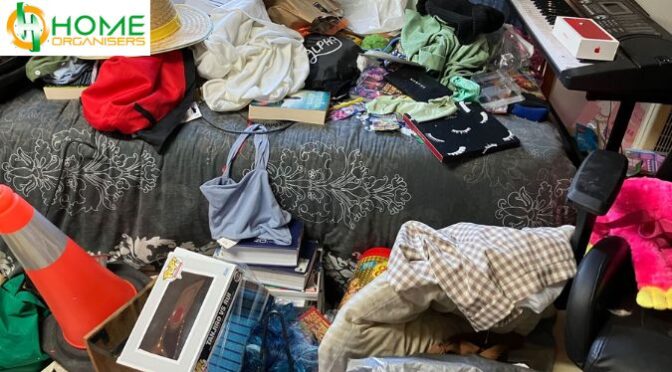
Most people don’t fail at decluttering because they are lazy, messy, or disorganised.
They fail because the system they were given was never designed to last.
Many decluttering services promise fast results. Surfaces are cleared, items are shifted, and homes look calm for a short while. But weeks later, the clutter quietly returns. Drawers fill again, benches disappear under piles, and that familiar sense of overwhelm comes back. This cycle is common, even among people actively searching for the best decluttering Melbourne services available.
This is not bad luck. It is a design problem.
Decluttering only works when it changes how a home functions, not just how it looks. Understanding why most decluttering services fall short helps explain what actually creates long-term calm — especially when expectations around best decluttering Melbourne results are high.
Most decluttering services treat clutter as a problem of “too many things.” In reality, clutter is a problem of decisions. Every item in a home represents a choice that has either been postponed or never made properly. Should it stay or go? Should it be easy to reach or stored away? Does it still belong in this stage of life?
When these decisions are rushed or avoided, clutter always finds a way back. Many services move quickly because time is limited. Items are boxed, stacked, or hidden rather than thoughtfully assessed. This creates a neat appearance without resolving the reason the clutter existed in the first place, which is why many people feel disappointed after trying what they believed was the best decluttering Melbourne option.
Real decluttering slows down just enough to support clear decision-making. It removes pressure, guilt, and fear from the process so people can let go without regret. This is a core principle of trauma-informed cleaning, where emotional safety is prioritised alongside physical organisation.
Clutter also has a strong connection to physical health, something that is rarely discussed. Crowded spaces collect dust and allergens more easily. When surfaces are blocked, proper cleaning becomes difficult, allowing bacteria and irritants to linger. This can worsen allergies, asthma, headaches, and general fatigue — issues often addressed more effectively through trauma-informed cleaning approaches that focus on wellbeing, not speed.
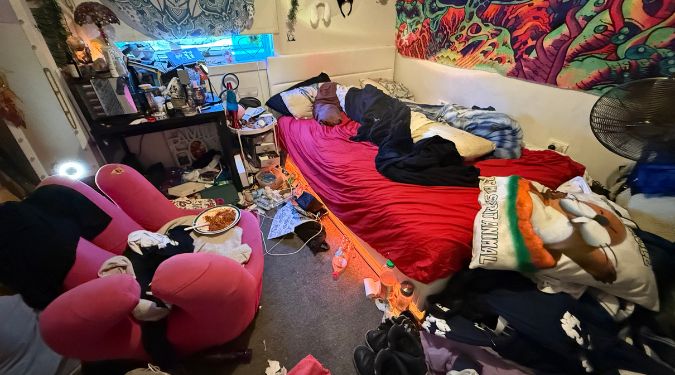
Beyond physical health, clutter affects the body through stress. A visually busy environment keeps the brain on alert. Even when people think they are ignoring the mess, their nervous system is still responding to it. Over time, this can interfere with sleep, weaken immunity, and increase anxiety. Decluttering that only rearranges items does little to change these outcomes, especially without full-service home support to maintain systems long term.
Mental load is another major factor. Clutter creates a constant stream of unfinished thoughts. Piles become reminders of things that still need attention. Cupboards become mental notes waiting to be dealt with later. Each thought seems small, but together they drain energy and focus.
Many decluttering services complete tasks for people without reducing future decision-making. The result is short-term relief rather than lasting mental clarity. When decluttering works properly, it removes those repeated thoughts altogether — a benefit often associated with full-service home support models rather than one-off sessions.
Emotional attachment plays a huge role in why clutter builds up. Items are often linked to memories, guilt, identity, or fear of waste. When decluttering ignores these emotions, people either freeze or make rushed decisions they later regret. This leads to re-buying items, second-guessing choices, and clutter returning quietly over time.
Supportive decluttering recognises emotional attachment without letting it control the process. It helps people honour memories while still moving forward. This balance is central to trauma-informed cleaning, where the goal is progress without emotional harm.
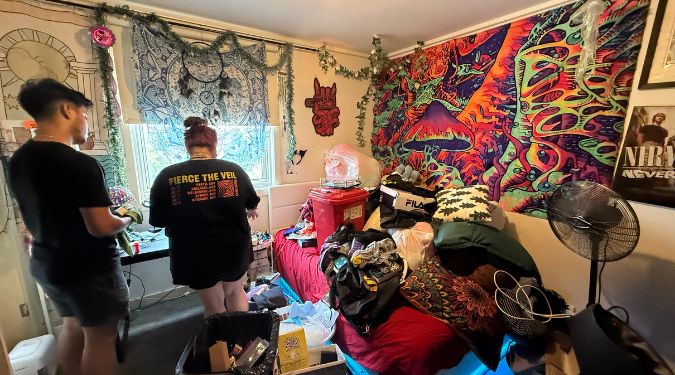
Clutter also impacts family life more than people like to admit. It increases tension, arguments, and frustration, especially in busy households. Children struggle to focus in cluttered environments and often cannot put things away properly if storage systems are unclear or impractical.
When decluttering ignores family routines, homes become harder to maintain rather than easier. Systems that work well support daily life. They make it clear where items belong and allow everyone in the household to participate without confusion — something that is far more achievable with full-service home support rather than isolated decluttering sessions.
Productivity is another hidden casualty of clutter. Time is wasted looking for things, moving piles, and redoing tasks that could have been simple. This is especially noticeable for people working from home or managing multiple responsibilities, even after engaging what they thought was the best decluttering Melbourne provider.
Decluttering that truly works improves productivity by reducing friction. Clear work surfaces, logical storage, and fewer items mean tasks take less time and energy. Small daily savings add up to hours regained each month, particularly when supported by ongoing full-service home support.
Mood and emotional wellbeing are deeply connected to physical space. Clutter can quietly increase irritability, avoidance, and low motivation. Many people blame themselves for feeling flat when their environment is actually contributing to the problem.
A calm, functional space supports emotional regulation. It creates a sense of control and predictability, which is especially important during stressful life stages such as parenthood, illness, work pressure, or major transitions — times when trauma-informed cleaning approaches are most valuable.
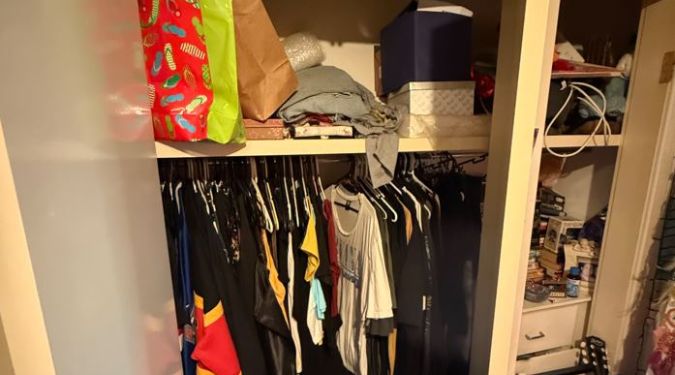
Quick-fix decluttering methods often rely on extremes. Large purges, strict rules, or one-day transformations can feel powerful in the moment but are difficult to sustain. When energy drops, old habits return, regardless of how highly rated the service seemed among best decluttering Melbourne searches.
Sustainable decluttering is gentle, structured, and realistic. It builds confidence rather than pressure. Many services prioritise dramatic results instead of long-term ease, which is why clutter so often returns without consistent full-service home support.
Clutter also has a financial cost that is easy to overlook. Items get lost, duplicates are purchased, paperwork goes missing, and money is wasted replacing things that already exist. Poor organisation hides value and encourages unnecessary spending.
Effective decluttering improves financial awareness by making belongings visible and accessible. It supports intentional ownership rather than excess, helping households use what they already have more effectively — a common outcome of well-designed full-service home support systems.
Wellbeing does not come from willpower. It comes from systems. Motivation fades, but systems continue working quietly in the background. Decluttering services that rely on discipline alone rarely succeed. Those that build simple, repeatable systems — often grounded in trauma-informed cleaning and reinforced through full-service home support — create lasting change.
Good systems match how people actually live. They do not require perfection or constant effort. They make daily life easier rather than adding another task to manage.
Decluttering works when it reduces stress, improves health, supports family life, increases productivity, lifts mood, and saves time and money. It is not about having fewer things for the sake of it. It is about creating ease, which is why people seeking the best decluttering Melbourne results increasingly look beyond quick fixes.
The real goal of decluttering is not a perfect home. It is a home that supports life rather than drains it. Less tension, fewer arguments, better sleep, more energy, and more time for what matters.
Most decluttering services miss this because they focus on appearance instead of impact. When decluttering is done properly, the change feels quiet but powerful. Life simply runs smoother, and clutter stops returning.
That is the difference that actually lasts.
Ready to create lasting calm at home?
Speak directly with a friendly organiser to explore the right support for your space and lifestyle.
???? Call: 03 8583 9103
✉️ Email: nancy@homeorganisers.com.au
???? Visit: https://homeorganisers.com.au
Key Takeaways
• Most decluttering services focus on quick visual results, not long-term change
• Clutter is not just about stuff — it affects health, stress, mood, family life, productivity, and wellbeing
• Decluttering fails when emotions, habits, and daily routines are ignored
• Mental load reduces when decisions are resolved, not postponed
• Trauma-informed approaches create safer, more sustainable outcomes
• Homes function better when systems match real life, not ideal behaviour
• Children and families thrive in calm, organised environments
• Effective decluttering saves time, energy, and money over the long term
• Lasting calm comes from simple systems, not willpower or extreme purges
Case Study 1:
From Constant Overwhelm to Calm, Functional Family Life
When Sarah reached out, the house wasn’t “messy” in the traditional sense. It was clean enough, but nothing stayed organised. Benches were always covered, paperwork kept moving from room to room, and mornings felt chaotic no matter how early the day started.
Sarah described feeling constantly behind. The clutter made it hard to focus, affected sleep, and caused regular tension with her partner, especially around shared spaces. Previous attempts with what she believed were the best decluttering Melbourne services left the home looking tidy for a short time, but the overwhelm always returned.
The decluttering approach focused first on understanding daily routines, emotional attachment to items, and the mental load Sarah was carrying. Instead of rushing decisions, the process followed principles of trauma-informed cleaning, allowing space for thoughtful choices without pressure or judgement.
As systems were introduced, storage was simplified and aligned with how the family actually lived. Items used daily became easy to access. Unnecessary duplicates were gently identified and removed. The mental noise slowly lifted.
The biggest change wasn’t visual — it was emotional. Sarah reported feeling calmer, less reactive, and more present with her family. Mornings became smoother, arguments reduced, and maintaining order no longer felt exhausting. What made the difference was not speed, but support — and the sense that the home was finally working with her, not against her.
Case Study 2:
Regaining Control Through Full-Service Home Support
Mark lived alone and worked long hours from home. Over time, clutter had built up quietly. Important documents were mixed with old paperwork, storage spaces were overfilled, and his workspace felt mentally draining. Productivity suffered, and stress levels stayed high.
Mark had avoided seeking help out of embarrassment. He worried about being judged and pushed into throwing everything away. After learning about a full-service home support approach that prioritised emotional safety, he decided to try again.
The process began slowly, focusing on one area at a time. Decisions were broken down into manageable steps. Nothing was rushed. The trauma-informed cleaning approach helped Mark feel in control, not overwhelmed.
As systems were put in place, workspaces became clearer and daily routines easier. Items were stored logically, paperwork was simplified, and clutter stopped spreading between rooms. The support didn’t end after decluttering — ongoing structure helped prevent backsliding.
Within weeks, Mark noticed improved focus, fewer distractions, and a lift in mood. He described feeling lighter, more organised, and more confident inviting people into his home. What he once searched for as the best decluttering Melbourne solution turned out to be something deeper: a system that supported his wellbeing, productivity, and peace of mind long after the work was done.
FAQs: What Makes a Decluttering Service Truly Effective?
- Why does clutter keep coming back even after professional decluttering?
Clutter usually returns when the focus is only on tidying, not on habits, routines, and decision-making. Without systems that match how a household actually lives, items slowly pile up again. Long-term decluttering works when the root causes are addressed, not just the visible mess.
- What happens during a trauma-informed decluttering session?
Trauma-informed decluttering moves at a safe, respectful pace. There is no pressure to throw things away or make rushed decisions. Emotional attachment, overwhelm, and past experiences are acknowledged, allowing people to declutter without feeling judged, stressed, or pushed.
- Is professional decluttering worth it if I feel too overwhelmed to start?
Yes. Feeling overwhelmed is often the clearest sign that support is needed. Professional decluttering helps reduce decision fatigue by guiding the process step by step, making it easier to begin without feeling paralysed.
- How does decluttering reduce stress and mental load at home?
Clutter creates constant background stress by leaving decisions unfinished. Decluttering reduces mental load by resolving those decisions and creating clear systems, so there is less to think about, manage, or remember each day.
- Can decluttering improve family routines and reduce tension at home?
Absolutely. Clear spaces and simple systems make it easier for everyone to know where things belong. This reduces daily frustration, arguments, and last-minute stress, especially in busy family homes.
- What if I don’t want to throw everything away?
Decluttering does not mean getting rid of everything. It means keeping what truly supports your life now. The goal is comfort, function, and calm — not minimalism or regret.
- How is full-service home support different from a one-off decluttering session?
One-off sessions focus on immediate change. Full-service home support helps maintain systems over time, supporting long-term calm and preventing clutter from building back up.
- Why does decluttering feel emotionally exhausting?
Decluttering requires decision-making and emotional processing, which can be tiring. Feeling drained is normal and does not mean you are doing it wrong. The right support reduces this emotional load instead of adding to it.
- Can decluttering really save time and money?
Yes. When homes are organised, items are easier to find, duplicates are avoided, and daily tasks take less time. Over time, this reduces wasted money and frees up hours each month.
- What if I feel embarrassed about my home?
There is no judgement. Decluttering support is confidential, respectful, and focused on helping — not criticising. Many people feel this way, and creating a safe environment is always a priority.
