

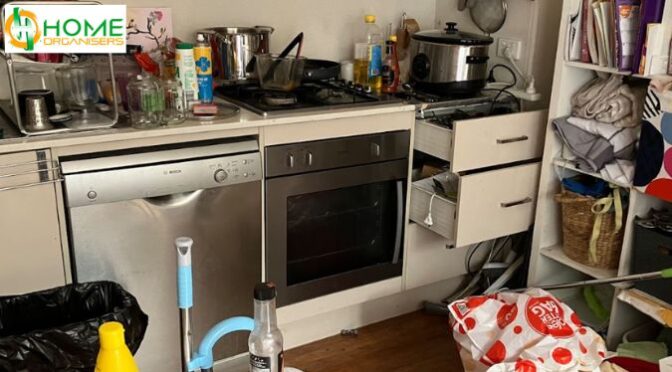
Life can sometimes hit us in ways we don’t expect. Whether it’s a physical injury, the emotional toll of trauma, or the exhaustion of burnout, suddenly everything feels harder. Even the spaces we call home can turn against us, making daily life stressful instead of supportive.
Clutter isn’t just untidiness—it’s extra weight on your mind, body, and emotions. When you’re recovering, every small task can feel overwhelming, and clutter only adds to that load. That’s where a “declutter reset” comes in. It’s more than cleaning—it’s a gentle, structured approach to regaining control over your home and life.
Here’s how a declutter reset can help you heal, restore balance, and reclaim control, covering health, mental clarity, emotions, productivity, family harmony, mood, overall well-being, and even your finances. This reset is particularly valuable for NDIS participants, DV survivors, WorkCover clients, and mental health clients navigating recovery.
Restore Safety and Physical Health
When you’ve been through injury or are physically drained from burnout, your home can unintentionally become a hazard. Trips, falls, or blocked access to essential items can slow your recovery or even cause further injury. This is especially important for NDIS participants, WorkCover clients, and other individuals whose mobility or health may be temporarily reduced.
Decluttering creates clear pathways, removes obstacles, and ensures essential items like medications or mobility aids are easy to find. Simple steps like keeping floors clear, arranging furniture for safe movement, and storing frequently used items at reachable heights make a huge difference.
Health benefit: A safe, decluttered home reduces accidents, prevents unnecessary strain, and makes it easier to move around, which can accelerate recovery for mental health clients, DV survivors, and anyone facing physical or emotional challenges.
Reduce Mental Load and Decision Fatigue
Clutter is not just physical—it’s mental. Every item in your home demands attention, consciously or subconsciously. That “mental noise” drains energy, increases stress, and can make even small decisions exhausting.
When you declutter, you reduce the number of choices you have to make every day. Keeping only what you need or love simplifies your environment, so your brain can focus on healing and essential tasks instead of constantly processing distractions. This is particularly valuable for mental health clients, DV survivors, NDIS participants, and anyone experiencing the lingering effects of trauma or burnout.
Mental benefit: Less clutter equals fewer decisions, reduced anxiety, and more mental space to focus on recovery and personal growth.
Emotional Reset: Finding Calm and Control
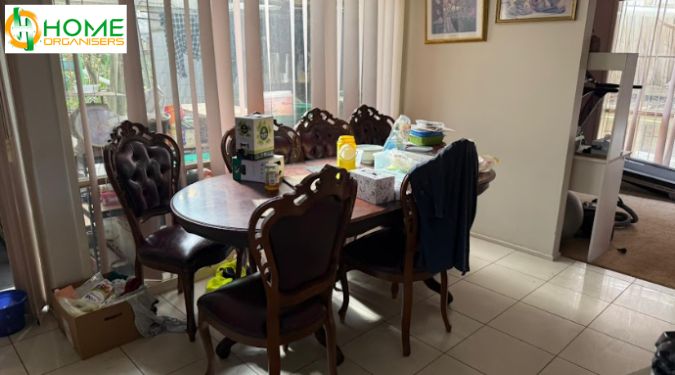
Experiencing trauma or burnout often leaves people feeling out of control. A messy, chaotic space can reinforce that sense of helplessness. Decluttering is a way to take small, achievable steps to regain control.
Start small. Focus on one room, one corner, or even one drawer at a time. Celebrate small wins—it builds confidence and strengthens your emotional resilience. Organising items in a way that feels intuitive and calming can lift your mood and make your home feel like a sanctuary instead of a source of stress.
Emotional benefit: Taking charge of your environment gives you a tangible sense of control, which can improve self-esteem and reduce feelings of anxiety or helplessness. This approach is particularly supportive for DV survivors, WorkCover clients, and mental health clients who may feel disempowered after trauma.
Boost Productivity and Daily Function
When your space is cluttered, simple tasks take longer. Misplaced keys, lost paperwork, or buried medications can turn everyday routines into frustrating exercises.
A decluttered space improves efficiency. You can find what you need quickly, complete daily chores more easily, and reduce wasted energy. This is especially helpful if you’re recovering from burnout—your energy reserves are precious, and reclaiming them matters. NDIS participants and WorkCover clients often benefit from this increased efficiency as it reduces daily stress and supports independence.
Productivity benefit: An organised home saves time, reduces frustration, and allows you to focus your energy on meaningful activities and recovery.
Family Harmony and Relationships
Clutter doesn’t just affect you—it affects everyone living in the home. Messy environments can lead to tension, arguments, and misunderstandings. Family members may feel stressed or overwhelmed by the chaos, which can add emotional strain during recovery.
By decluttering, you create a more peaceful environment for everyone. It’s easier to move around, share spaces, and focus on family time instead of constant tidying battles. Involving family in small, guided decluttering activities can also foster teamwork and understanding, strengthening relationships.
Family benefit: A decluttered home promotes harmony, reduces conflict, and supports shared well-being for households with NDIS participants, DV survivors, or any family member experiencing recovery challenges.
Improve Mood and Overall Well-Being
The link between your environment and your mood is real. A tidy, organised space can lift your spirits, while clutter can fuel anxiety, sadness, and stress. Decluttering allows for light, air, and breathing room, which naturally improves mental and emotional well-being.
Mood benefit: Clear spaces encourage positive emotions, reduce irritability, and support a sense of peace and calm that’s vital for recovery. This is especially important for mental health clients and DV survivors navigating emotional challenges.
Financial and Time Benefits
Clutter can have a surprising impact on finances. Losing items, misplacing bills, or buying duplicates unnecessarily adds stress and costs. A decluttered system makes it easier to track what you own, what you need, and what’s unnecessary.
Wealth benefit: Organising belongings and important documents saves money, prevents wasted purchases, and reduces the hidden financial stress that clutter can create. This is particularly useful for NDIS participants and WorkCover clients managing their resources carefully during recovery.
Practical Tips for a Declutter Reset
Here are simple, practical steps to start reclaiming control:
Start small: Pick one area to tackle. Even a single drawer can give a sense of achievement.
Sort items into categories: Keep, donate, discard. Be honest about what you really need.
Prioritise safety: Remove hazards first—clear pathways, secure rugs, and organise heavy items.
Create “stations” for essentials: Have a specific place for keys, medications, bills, and daily-use items.
Set realistic goals: 10-15 minutes a day is enough to make progress without overwhelming yourself.
Consistency is more important than perfection. Even small steps create momentum, making the whole process less daunting and more sustainable for mental health clients, DV survivors, and NDIS participants.
Mind-Body Connection
Decluttering isn’t just about the home—it supports your body’s healing too. Less visual clutter reduces cortisol (stress hormone) levels, which helps your body recover faster. Calm surroundings encourage rest, better sleep, and more energy, all of which are crucial after injury, trauma, or burnout. WorkCover clients and NDIS participants often notice improved recovery outcomes when their home environment supports rest and accessibility.
Health benefit: A tidy, organised environment supports both physical recovery and mental clarity.
Maintaining Your Reset
Once you’ve decluttered, the key is maintaining it. Small daily habits can prevent clutter from creeping back:
Please return items to their designated place immediately.
Set weekly mini-declutter sessions.
Limit new items entering the home without thoughtful consideration.
Ask for help when needed—sometimes an extra pair of hands makes all the difference. DV survivors and mental health clients may benefit from ongoing support during this stage to sustain their reset.
Final Thoughts
A declutter reset isn’t about perfection or turning your home into a showroom. It’s about giving yourself breathing room—physically, mentally, and emotionally. It’s about taking back control when life feels chaotic and creating a supportive environment that helps you heal, recover, and thrive.
Every small step counts. Even one drawer, one corner, or one shelf cleared is a victory. Over time, these small victories add up to a home and a life that feel lighter, calmer, and more manageable.
Ready to reclaim control of your home and life? Contact us today to start your declutter reset. Call 03 8583 9103, email nancy@homeorganisers.com.au, or visit homeorganisers.com.au to book your personalised session.
