

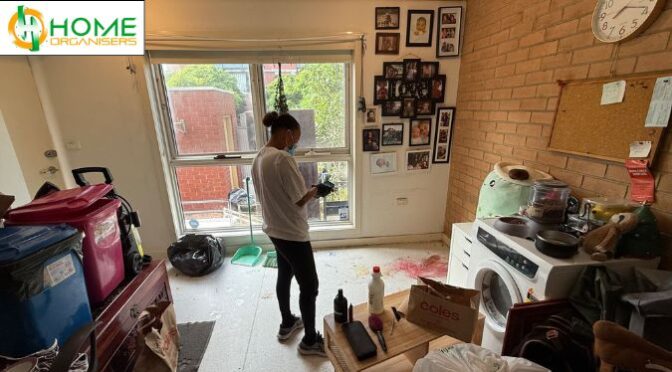
Clutter affects more than just space — it impacts safety, health, mood, independence, relationships and daily routines for NDIS participants. Support workers and coordinators can help by understanding the participant’s needs, breaking tasks into manageable steps, creating simple systems, respecting choices, and connecting them with professional NDIS decluttering support when needed. Small, thoughtful actions can transform a home into a safe, calm, and functional environment that enhances well‑being and independence. Providing participant home help and following a support coordinator guide ensures the assistance is effective and structured.
Clutter isn’t just about a messy living space. For many people, especially those living with disability, clutter can affect health, safety, independence and overall quality of life. As support workers and coordinators, understanding clutter and how it impacts daily living helps you create meaningful plans and connect participants to supports that genuinely make life easier.
In this guide, we’ll explore how clutter affects physical health, emotional well‑being, relationships, productivity, routines and more. We will look at ways you can support participants in practical, respectful and participant‑centred ways, including using NDIS decluttering, participant home help, and a clear support coordinator guide.
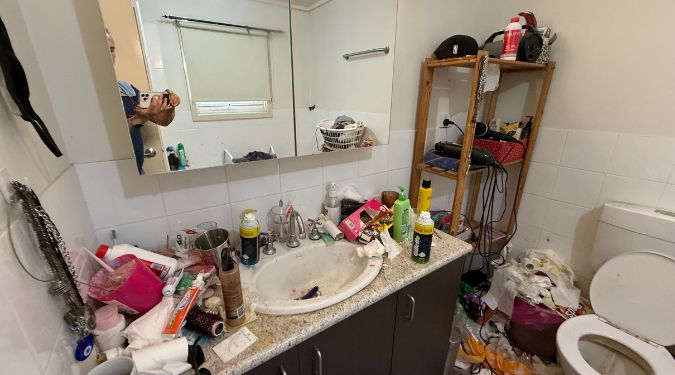
What Is Clutter and Why It Matters
Clutter is any collection of items that makes a space hard to use safely. It might be piles of paper, clothes, boxes, equipment, furniture or things no one uses any more. Clutter isn’t always obvious at first glance — a room can look “fine” but still feel overwhelming to the person living there.
For NDIS participants, clutter can affect mobility and safety, daily routines, emotional comfort, physical health, and participation in life activities. Using strategies like NDIS decluttering and structured participant home help can make a significant difference.
Clutter isn’t a behavioural problem or a sign of laziness. Often, it is connected to the participant’s health conditions, sensory needs, life history, trauma, or limited support. Understanding this is key to supporting with dignity and respect, and a proper support coordinator guide helps structure the assistance.
How Clutter Affects Physical Health and Safety
Clutter can directly affect a person’s physical health and safety. Some common issues include risk of trips and falls. When floors are blocked by boxes, bags or furniture, it’s easy to trip. For someone using a mobility aid, clutter can make walking or using equipment unsafe.
Blocked access to important items is another concern. If medication, walking frames, continence aids or phone chargers are buried under clutter, the participant may struggle to find and use them when needed.
Clutter can also affect hygiene and cleanliness. Dust, mould and pests can build up, creating risks for asthma, allergies, skin irritation and infections.
Fire hazards are another important factor. Too much stuff can block exits or create fuel for fires. Fire safety becomes harder to maintain, especially if pathways or doors are obstructed.
As support workers and coordinators, part of your role is to notice these risks and discuss them in planning — always from a perspective of safety and respect. Integrating NDIS decluttering, participant home help, and referring to a support coordinator guide ensures support is safe and practical.
How Clutter Affects Mental and Emotional Well‑Being
Clutter isn’t just physical — it impacts the mind too.
Feeling overwhelmed is common. When a room is full of things, the brain has too much to process. This sensory overload can make it hard to focus, think clearly or relax.
Living with clutter can also create stress and anxiety. Participants might feel anxious when they cannot find things, when they’re unsure where to start, or when someone else comments on their space.
Many items may hold emotional meaning — good memories, identity, routines. Letting go can feel like losing a part of self, and this makes decluttering emotionally hard. Proper NDIS decluttering can support participants in a compassionate way.
Some participants feel ashamed about how their space looks, and this can stop them from inviting visitors, leaving home, or asking for help. Providing participant home help can reduce this stress and encourage independence.
Supporting someone with clutter means acknowledging these feelings. It’s not about pushing them to “just tidy up.” It’s about working with them at their pace, respecting what matters to them, and helping them make choices that feel safe and comfortable. Following a support coordinator guide ensures consistent, participant-centred care.
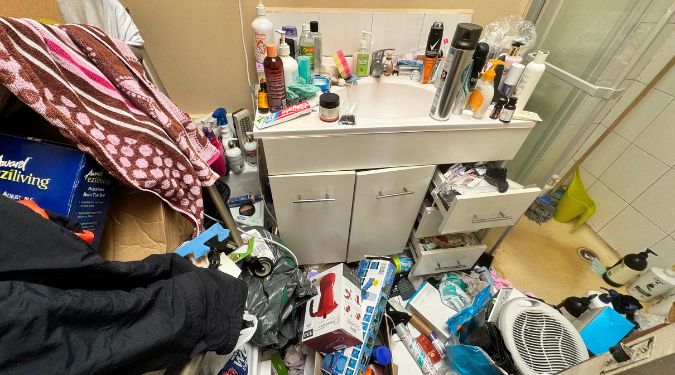
Clutter’s Impact on Family and Relationships
Clutter affects not only the participant but also their household and support network.
Clutter can create tension at home. Family members can feel frustrated when spaces become hard to use. This can lead to arguments or withdrawal.
Participants may avoid inviting friends or family over, increasing social isolation. This affects mood and sense of connection.
Informal carers may feel overwhelmed by physical tasks or emotional labour associated with clutter care. This can reduce patience and well‑being over time.
By bringing clarity, simple routines and respectful communication, clutter support can reduce tension and improve relationships in the home. Using NDIS decluttering and structured participant home help can help families regain balance, guided by a support coordinator guide.
Clutter and Productivity: Daily Living Becomes Harder
Clutter makes everyday tasks harder. Finding clothes or medication, cooking meals, paying bills, using space for daily routines, and maintaining personal care can all take more effort in a cluttered environment.
Productivity in this context isn’t about doing more — it’s about doing what matters with less effort and stress. Incorporating NDIS decluttering practices and participant home help can streamline tasks and routines.
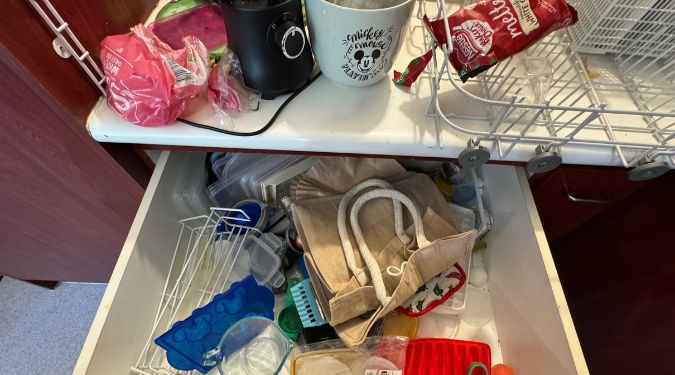
Clutter, Mood and Well‑Being
A cluttered environment affects mood in tangible ways. Clutter signals unfinished tasks. The mind sees unfinished tasks everywhere — dishes, laundry, paperwork — and this creates mental tension.
Clutter also reduces calm spaces. Participants need spaces where they can relax, think clearly and regulate emotions. Clutter can interrupt these safe zones.
Clutter can make someone feel out of control. Helping them regain control of their space can boost confidence, reduce anxiety and increase independence. Structured participant home help using a support coordinator guide makes this achievable.
Wealth and Financial Well‑Being
Clutter doesn’t only affect physical and emotional well‑being — it can impact financial health too.
Misplacing bills, cards or important documents can create stress and cost time or money to replace.
Paper clutter can hide bills and expenses, making it harder to budget.
When people can’t find what they already own, they may buy duplicates, increasing costs.
Supporting participants to organise paperwork, bills and important documents through NDIS decluttering and participant home help can reduce stress and improve financial awareness.
Why Participants Struggle With Clutter
Understanding why clutter builds is key to compassionate support. Some common reasons include physical limitations, cognitive challenges, sensory needs, mental health conditions, trauma and emotional attachment, limited support or tools, and lack of routines or systems.
Clutter isn’t a character flaw. It’s often a side effect of health and life circumstances. A structured support coordinator guide combined with participant home help ensures support addresses underlying causes.
How Support Workers and Coordinators Can Help
Use person‑centred conversations. Ask open‑ended questions like “What part of your home feels hardest to use?”, “Which items are important to you and why?”, “Where do you feel most comfortable?” Listen to their goals, not just what you think should happen.
Break tasks into small steps. Rather than “clean the whole house,” help break it into manageable tasks. Small wins build confidence.
Support decision‑making. People can struggle to decide what to keep or let go. Gentle guiding questions help, such as “Do you use this regularly?”, “Does this item make your space easier to use?”, “Does this item make you feel good?”
Focus on systems, not just stuff. Create easy‑to‑use storage, labels, daily routines and accessible layouts. Systems reduce future clutter.
Build skills, not reliance. Help participants learn organising skills they can use again, rather than doing everything for them.
Include allies. Work with family, friends or therapists when appropriate — always with participant consent.
Connecting participants with professional NDIS decluttering support can be part of a safe, structured strategy. These specialists work at the participant’s pace, provide structured sorting and organising, and help set up efficient systems while respecting emotional and sensory needs.
Safety and Ethics in Clutter Support
Supporting someone with clutter must always respect dignity and autonomy, consent and choice, cultural values, and participant goals.
Never remove items without permission. Always explain why a change might help and listen to concerns.
Simple Tools That Make a Big Difference
Clear containers and labels, simple shelving or hooks, colour‑coded systems, daily checklists, easy‑to‑reach storage, paperwork folders, and routines attached to meals or habits all help create spaces that are easier to use every day.
Supporting Well‑Being Beyond the Space
Clutter isn’t just about physical items. Supporting someone’s well‑being also means encouraging routines, promoting rest and self‑care, celebrating progress, and linking to other supports such as occupational therapists, psychologists, mental health clinicians and peer support workers. Integrating NDIS decluttering and participant home help as outlined in a support coordinator guide strengthens well‑being.
Final Thoughts
Clutter doesn’t just impact spaces – it affects people’s lives in many interconnected ways: safety, health, mood, relationships, independence and financial well‑being. For NDIS participants, respectful, practical support can transform environments into places that are easier to live in and feel safe in.
As support workers and coordinators, your role is to listen, guide, connect and advocate — always centred on the participant’s goals and choices. By understanding clutter as more than “mess,” you help participants build lives that are safer, calmer and more fulfilling.
Supporting someone with clutter isn’t about cleaning up. It’s about enhancing their ability to live with dignity, choice and independence — every single day. Providing participant home help and following a support coordinator guide ensures that assistance is structured, safe, and effective.
Key Takeaways
- Clutter impacts more than space — it affects safety, health, mood, independence, relationships, productivity, and financial well-being.
- Understanding the participant’s needs and respecting their choices is essential for effective support.
- NDIS decluttering can improve daily routines, reduce stress, and create safer, more functional living environments.
- Providing structured participant home help helps participants maintain independence and build practical skills.
- Following a support coordinator guide ensures support is consistent, safe, and aligned with participant goals.
- Small, manageable steps and simple organising systems are more effective than tackling everything at once.
- Emotional attachment to items and sensory needs should always be considered when supporting participants.
- Professional assistance is valuable for participants who require structured guidance, emotional support, or physical help with clutter.
- Support that combines practical help, routines, and emotional understanding improves overall well-being and quality of life.
Case Study 1:
Sarah’s Journey to a Safer, Calmer Home
Background:
Sarah is a 42-year-old NDIS participant living with limited mobility and mild anxiety. Her home had accumulated clutter over several years, including piles of paperwork, unused furniture, and household items that were difficult for her to manage. Daily tasks like cooking, cleaning, and moving around safely were becoming overwhelming.
Challenge:
Sarah’s support workers noticed that clutter was impacting her confidence, safety, and independence. She often felt anxious about visitors, and family members struggled to help without overwhelming her. Sarah needed a structured approach that considered her emotional attachment to items while creating a safer, functional environment.
Solution:
Using a support coordinator guide, Sarah’s team outlined priorities, safety considerations, and daily routines. Home Organisers provided professional NDIS decluttering services in small, manageable steps. They worked closely with Sarah, giving her participant home help to sort, organise, and maintain her belongings.
The process focused on keeping items meaningful to Sarah while clearing hazards, creating easy-to-use storage, and establishing practical daily routines. Emotional support was integral, with Sarah making all final decisions about what to keep.
Outcome:
After several weeks, Sarah’s home was transformed. Pathways were clear, important items were accessible, and she had systems in place to maintain order independently. Her confidence improved, anxiety reduced, and daily life became more manageable. Family members could assist without stress, and Sarah felt proud of her home again.
Case Study 2:
James’ Path to Independence and Well-Being
Background:
James, a 30-year-old NDIS participant with sensory sensitivities and ADHD, lived in a home filled with sensory clutter — papers, craft supplies, and various personal items that made it difficult for him to focus or relax. Daily routines like meal prep, laundry, and paperwork were stressful, and James often felt frustrated and overwhelmed.
Challenge:
James’ support coordinator noted that clutter was affecting both his mental well-being and his ability to participate in life activities. He needed hands-on assistance to organise his space without feeling pressured, while maintaining routines that suited his sensory and cognitive needs.
Solution:
A support coordinator guide outlined the step-by-step plan, focusing on safety, functionality, and James’ preferences. Home Organisers implemented professional NDIS decluttering sessions combined with ongoing participant home help, teaching James how to maintain the systems and routines.
The team respected his emotional attachment to items, creating designated zones for storage and implementing visual labels to reduce sensory overload. The approach was gradual, ensuring James felt in control throughout the process.
Outcome:
Within a few months, James’ home was organised, clutter-free, and adapted to his needs. He could complete daily routines more easily, felt less stressed, and enjoyed calmer spaces for work and relaxation. James reported higher confidence in managing his home independently, and his support team noted improved engagement in his NDIS goals.
FAQs: Supporting NDIS Participants With Clutter
- How can NDIS decluttering support help my loved one feel safer and more independent at home?
Clutter can make daily life overwhelming or unsafe. NDIS decluttering support helps create clear, organised spaces, making it easier for participants to move around, access their belongings, and regain independence while reducing stress for everyone at home.
- What is the best way for a support worker to start helping a participant with clutter without causing stress?
Starting small and focusing on what matters most to the participant is key. Using a participant-centred approach, gentle guidance, and clear steps ensures the process feels manageable and empowering rather than overwhelming.
- How do Home Organisers address emotional attachments to items during decluttering?
We understand that each item may hold meaning or memories. Our team works respectfully with participants, helping them decide what to keep and what to let go, always validating their feelings and supporting choice.
- Can participant home help improve mood and mental well-being as well as physical organisation?
Absolutely. Organised spaces reduce anxiety, improve focus, and create a sense of calm. Participant home help ensures that daily routines are simpler, which positively impacts mental, emotional, and overall well-being.
- How do support coordinators use a guide to make decluttering easier and safer?
A support coordinator guide provides a structured plan, highlighting priorities, safety considerations, and the participant’s goals. This ensures everyone involved knows the steps and can work collaboratively while respecting the participant’s pace.
- What kinds of daily routines or habits can be implemented after NDIS decluttering?
Simple habits like sorting mail, organising clothes by frequency of use, or maintaining a clear table surface can make a big difference. Our services set up easy routines that participants can continue independently with confidence.
- How do Home Organisers make the decluttering process stress-free for participants and their families?
We break tasks into small, achievable steps, offer professional guidance, and provide hands-on participant home help. By including family in planning and respecting boundaries, the process becomes calm, collaborative, and positive.
- Can NDIS decluttering support help with safety concerns, such as trips, falls, or blocked exits?
Yes. Our team identifies hazards, clears pathways, and ensures important items are accessible. This reduces risks in the home and provides participants and families with peace of mind.
- How often should participant home help be scheduled to maintain an organised home?
Frequency depends on the participant’s needs. Some benefit from weekly or fortnightly sessions, while others may need occasional support for larger projects. The key is consistent, practical support tailored to their goals.
- How do Home Organisers balance practical decluttering with emotional well-being?
We approach every home with empathy, focusing not only on tidying but on creating a space where participants feel comfortable, safe, and confident. Emotional support is always integrated into the practical work, ensuring a holistic approach.
