

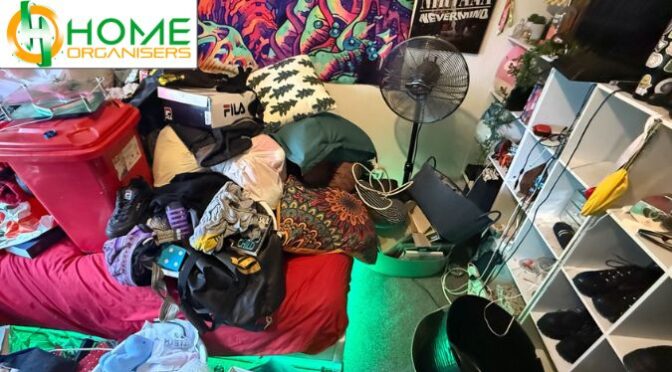
Clutter in an NDIS decluttering participant’s home isn’t just messy — it can affect safety, health, independence, mental wellbeing, mood, family life, productivity and finances. Support workers and coordinators play a key role in recognising when clutter becomes a barrier, approaching the topic empathetically, linking decluttering to participants’ goals, and coordinating with home organisers or allied professionals. Small, person-centred steps can create safer, calmer, more functional homes that support overall wellbeing and independence.
Clutter isn’t just a bit of mess. For many National Disability Insurance Scheme (NDIS) participants, clutter in the home can affect every part of life — from safety and health to confidence, mood and independence. Understanding clutter as more than “stuff in the way” helps support workers and coordinators make better choices, set meaningful goals and empower the people they support to live safer, calmer and more fulfilling lives.
This guide breaks things down simply — like you’re explaining it to someone in Year 5 — and looks at clutter from different angles so you can truly grasp why it matters and how to help. It’s designed as a support coordinator guide for anyone helping participants navigate their environment effectively.
Clutter and Safety: Where It All Begins
Physical safety is usually the first thing most of us think of with clutter. But it’s not just about tripping over things.
Falls and Injuries
Items stacked on floors can cause trips and falls, especially for people using walkers, wheelchairs or those with limited mobility. Even small piles can block clear pathways and make moving around dangerous.
Emergency Access
In a medical or fire emergency, clutter can slow down first responders or even block exits entirely. This isn’t just inconvenient — it’s dangerous.
Hygiene Risks
Piles of stuff easily collect dust, attract pests and trap mould. Over time this can lead to respiratory problems or infections, especially for people with asthma, weakened immunity or other health issues.
So, clutter isn’t just messy — it’s a safety issue and a health issue. Proper NDIS decluttering can make all the difference.
Clutter and Physical Health: Hidden Connections
Beyond slips and trips, clutter affects physical health in ways many people don’t immediately see.
Respiratory Health
Dust mites, mould and allergens thrive in cluttered spaces. For people with respiratory issues like asthma or chronic bronchitis, this can mean more flare-ups and more visits to the doctor.
Mobility and Pain
Restricted spaces make it harder for participants to move freely. This can increase pain, discomfort and fatigue, especially for people who already have mobility challenges or are building strength and endurance as part of their goals.
Nutrition and Medication
Clutter can hide food that spoils or bury important medication, making it harder to stay on track with health routines. Finding things becomes harder, more stressful and more time-consuming.
Providing participant home help that incorporates NDIS decluttering is essential for maintaining both physical health and daily routines.
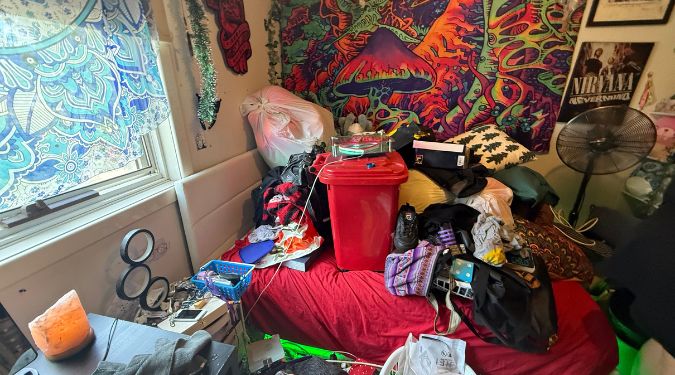
Clutter and Mental Health: More Than Just “Stress”
People often think about mental health as separate from the environment. But our surroundings have a massive impact on how we think, feel and behave.
Overwhelm and Anxiety
Walking into a room full of clutter can feel like walking into a storm. The brain sees too much stuff and starts to feel overwhelmed. For someone with anxiety, PTSD, depression or sensory sensitivities (like autism or ADHD), this feeling can be intense.
Decision Fatigue
When every surface, drawer or box has a bunch of items, simple decisions become hard. “What should I wear?” “Where’s my wallet?” “Where did I put that form?” These small decisions pile up and drain mental energy fast.
Shame and Self-Worth
People living with clutter often feel embarrassed or ashamed. They may avoid inviting friends or family over. They may feel like they’ve “failed” at everyday living. That feeling chips away at confidence and self-esteem.
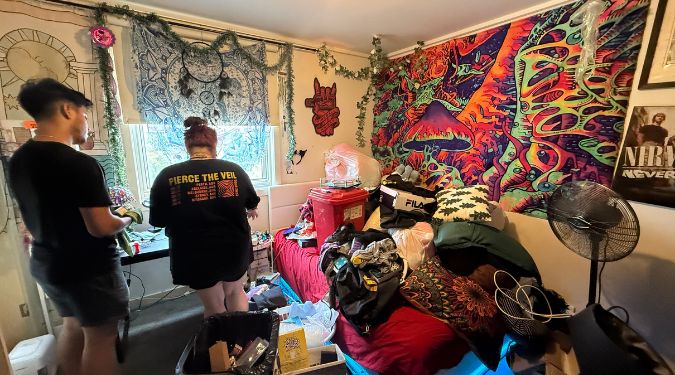
Emotional and Social Health: Feelings Behind the Stuff
Clutter isn’t just objects — it carries emotions.
Emotional Attachments
Many people hold on to things because they represent memories, identity, loss or hope. Letting go isn’t just physical — it’s emotional. Respectful NDIS decluttering ensures participants feel safe and supported.
Isolation
People may avoid visitors — even their support workers — because they feel ashamed or overwhelmed. Over time, this can lead to loneliness and reduced participation in social life.
Family Tension
Living with clutter can create stress for everyone in the home. Family members may disagree about what stays and what goes. Carers can feel resentful if they feel they’re always cleaning up. These emotional strains affect relationships and the quality of support everyone can give and receive.
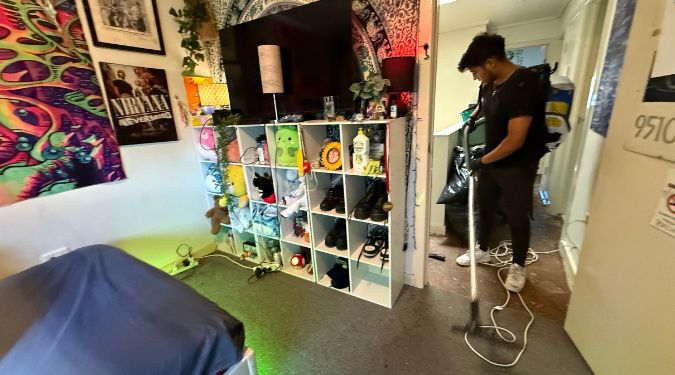
Clutter and Daily Life: Impact on Routines and Independence
Clutter doesn’t just make homes look busy — it affects how life actually works.
Daily Tasks
When spaces are messy or items are hard to find, everyday tasks become harder:
- Finding bills or mail
- Preparing food
- Taking medication on time
- Dressing and grooming
- Paying bills or managing finances
Providing participant home help that incorporates NDIS decluttering can restore independence and efficiency.
Practical Steps for Support Workers and Coordinators
Here’s a simple, practical approach you can use as a support coordinator guide:
- Notice the Signs: Look for clutter affecting safety, routines or emotional wellbeing.
- Talk With Care: Discuss clutter gently and without judgment.
- Link to Goals: Connect clutter support to functional goals like independence and confidence.
- Refer to Specialists: Home organisers can provide targeted support.
- Build Small Routines: Encourage manageable tasks to build momentum.
Need help creating a safer, more organised home for your NDIS participant? Contact us today for expert NDIS decluttering and participant home help. Call 03 8583 9103, email nancy@homeorganisers.com.au, or visit homeorganisers.com.au to get started.
Key Takeaways
- Clutter in an NDIS participant’s home affects safety, health, independence, mental wellbeing, and daily routines.
- Support workers and coordinators play a key role in recognising clutter and providing guidance through a support coordinator guide.
- NDIS decluttering helps reduce stress, improve mood, and increase participants’ confidence and participation in daily life.
- Participant home help that incorporates decluttering restores independence, organisation, and functional living spaces.
- Addressing clutter requires a person-centred, respectful approach, focusing on the participant’s goals and emotional wellbeing.
- Collaborating with specialists like home organisers ensures safe, effective, and sustainable outcomes.
- Small, structured routines and consistent support can make decluttering manageable and lasting.
Case Study 1:
Helping Sarah Regain Independence Through NDIS Decluttering
Background:
Sarah, a 32-year-old NDIS participant living with limited mobility and anxiety, was struggling with a cluttered home that made daily tasks overwhelming. Important items, like her medications and bills, were often lost under piles of paper and belongings. Her support worker noticed Sarah avoided inviting friends or even family, leading to increased isolation and stress.
Approach:
Using a support coordinator guide, Sarah’s support team identified key priorities: clearing pathways for safety, organising essential items, and creating routines for maintenance. Professional organisers were brought in to provide participant home help, working with Sarah to sort, declutter, and implement systems that suited her needs and pace.
Implementation:
- Room-by-room assessment of clutter and safety hazards
- Sorting items into categories: keep, donate, recycle, or discard
- Setting up labelled storage and daily routines
- Emotional support and gentle coaching to address attachment to items
Results:
After several sessions of NDIS decluttering:
- Sarah could move freely and safely around her home
- She regained confidence in managing her daily routines
- Anxiety and feelings of overwhelm reduced significantly
- Sarah felt proud to invite friends and family over again
Case Study 2:
Transforming John’s Home for Better Health and Family Harmony
Background:
John, a 45-year-old participant with physical disabilities and a busy caregiving family, lived in a home filled with accumulated clutter. His family found it stressful to maintain a safe environment, and John struggled to locate items and complete daily tasks independently.
Approach:
John’s support worker implemented a support coordinator guide to identify areas of risk and potential improvement. They engaged professional organisers to provide participant home help, focusing on safety, accessibility, and functional organisation tailored to John’s abilities.
Implementation:
- Initial consultation to identify priority areas (kitchen, bedroom, living spaces)
- Decluttering and sorting items with John’s active participation
- Installing accessible storage solutions and clear labelling
- Teaching maintenance routines to John and his family to prevent future clutter
Results:
- Pathways were clear, reducing trip hazards and improving safety
- John could find essential items quickly, improving independence and reducing frustration
- Family stress decreased as maintenance became more manageable
- John experienced improved mood and wellbeing, feeling in control of his environment
FAQs: Supporting NDIS Participants With Clutter – A Complete Guide
- How can NDIS decluttering help my loved one feel safer and more independent at home?
Many participants struggle with clutter that makes everyday tasks stressful or unsafe. Professional decluttering creates clear spaces, improves mobility, and restores confidence in daily routines.
- What does participant home help with decluttering actually involve?
It’s more than tidying — it’s a guided process that sorts, organises, and creates systems tailored to the participant’s needs, goals, and comfort level.
- How can a support coordinator guide me in supporting a participant with clutter?
A structured support coordinator guide helps identify priorities, set realistic goals, and connect participants with professional home organisers for safe, personalised decluttering.
- Will decluttering upset my loved one emotionally?
Sometimes letting go of items can be emotional. Our approach is person-centred and respectful, ensuring participants feel safe, supported, and in control throughout the process.
- Can decluttering improve mental health and mood for participants?
Yes. A clean, organised home reduces overwhelm, anxiety, and stress, helping participants feel calmer, more focused, and emotionally supported.
- How often should NDIS participants receive home organising support?
The frequency depends on individual needs, goals, and home conditions. Some participants benefit from regular ongoing support, while others may need occasional sessions to maintain a functional space.
- Is participant home help covered under NDIS plans?
Yes, NDIS decluttering and related home support can often be included under daily living support or capacity-building goals to improve independence and wellbeing.
- How do I start helping a participant who is overwhelmed by clutter?
Begin with gentle observation and conversation. Use a support coordinator guide to identify the most pressing challenges and connect with professional organisers for safe, structured support.
- Can decluttering support family members or carers too?
Absolutely. Reducing clutter improves the home environment for everyone, easing tension, creating safer spaces, and making care routines more manageable.
- How do I know if my participant is ready for decluttering support?
Signs include difficulty accessing items, frustration, stress in daily routines, or avoidance of certain areas. If clutter affects safety, independence, or emotional wellbeing, it’s time to seek professional participant home help.
