

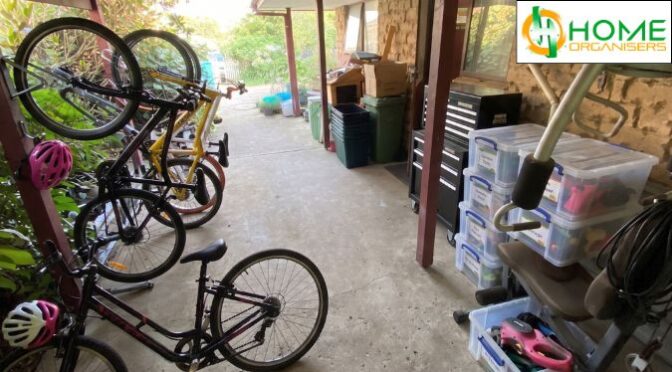
Decluttering and cleaning are not about creating a perfect home. They are about making your home safer, calmer and easier to live in. A clearer space can support better health, mood, sleep, family life, productivity, confidence and wellbeing. With kind, practical and non-judgemental support, including fresh start home services, even a small first step can help your home feel lighter and more manageable.
A fresh start at home does not always mean moving house, buying new furniture or changing everything around you.
Sometimes, it starts with one clear bench.
One tidy corner.
One bag of rubbish was removed.
One drawer that finally opens properly.
When a home feels cluttered, messy or hard to manage, it can affect much more than the way the space looks. It can affect how you feel, how you sleep, how you move around, how your family connects and how easy it is to get through the day.
Decluttering and cleaning are not about having a perfect home. They are about creating a home that feels safer, calmer and easier to live in.
For many people, clutter builds up slowly. A few items get placed on a table. Laundry piles up. Paperwork gathers in a corner. The garage becomes full. Cupboards become too hard to use. Over time, the home may start to feel stressful rather than supportive.
The good news is that change can happen step by step. With the right decluttering support Melbourne households can rely on, even a very overwhelming space can become more manageable.
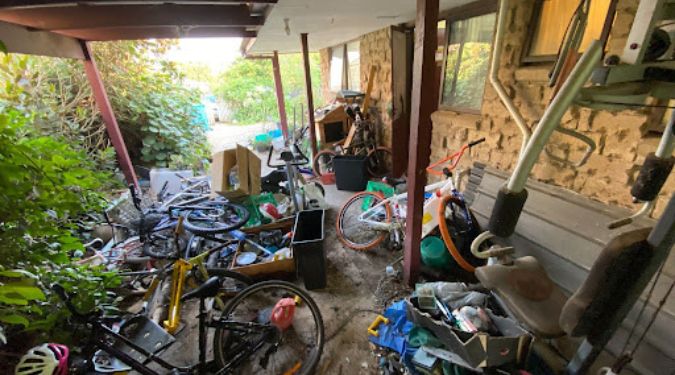
Why clutter can feel so overwhelming
Clutter is not just “stuff”.
Every item in the home can carry a decision. Should I keep this? Do I need it? Where should it go? What if I throw it away and regret it? What if it belonged to someone I love?
That is why decluttering can feel tiring before you even start.
For some people, clutter is linked to busy family life. For others, it may be connected to illness, disability, grief, trauma, moving house, ageing, mental health challenges or simply not having enough help.
It is important to understand this: a cluttered home does not mean someone is lazy or careless.
Life happens. People get tired. Circumstances change. Homes can become difficult to manage for many reasons.
Supportive decluttering and cleaning is not about blame. It is about helping people move forward in a kind and practical way with compassionate decluttering help.
A safer home
One of the biggest benefits of decluttering is safety.
When floors, hallways and doorways are covered with items, it can be harder to move around. This may increase the risk of trips and falls, especially for older people, people with disability, children or anyone with mobility challenges.
Clutter can also block important areas such as exits, bathrooms, kitchens and bedrooms. In an emergency, clear pathways matter.
Cleaning also helps make a home safer. Dust, mould, old food, spills and rubbish can affect health and comfort. A cleaner home can reduce smells, pests and hygiene concerns.
A safe and clean home does not need to look like a display home. It simply needs to be easy to move through, easy to use and healthy to live in.
Small safety improvements might include:
Clearing walkways.
Removing rubbish.
Sorting loose items from the floor.
Making the bathroom easier to access.
Clearing kitchen benches.
Organising medication, paperwork or daily-use items.
These small changes can make everyday life feel much easier.
Better physical health
A cluttered and unclean home can affect physical health in many ways.
Dust can build up on surfaces, floors and soft furnishings. This may bother people with asthma, allergies or breathing problems. Mould can also cause health issues, especially in damp rooms such as bathrooms, laundries and kitchens.
When kitchens are cluttered, it may become harder to prepare healthy meals. If benches are full, cupboards are packed or dishes are hard to reach, cooking can feel like too much effort. People may rely more on takeaway food or skip meals altogether.
Laundry can also become a challenge. When clothing, bedding and towels pile up, it may affect hygiene, comfort and sleep.
A clean and organised home, supported by supportive cleaning services, can support better health by making daily care easier.
It can become easier to:
Cook meals.
Wash clothes.
Change bedding.
Keep bathrooms hygienic.
Find medication.
Rest in a clean bedroom.
Move safely through the home.
The aim is not perfection. The aim is function. A home should help people live well, not make daily tasks harder.
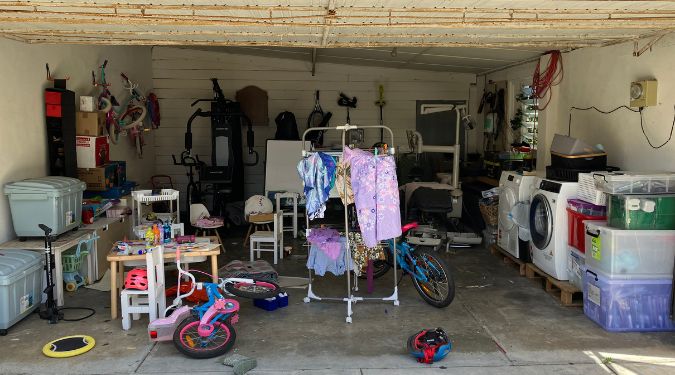
Mental health and stress
Many people feel stressed when their home feels out of control.
You may look around and think, “Where do I even begin?”
That feeling can be heavy.
Clutter can make the brain feel busy. When there are too many things in view, it can be hard to relax. Even when you sit down, your mind may keep noticing jobs that need doing.
A messy space can also make people feel embarrassed or ashamed. They may avoid inviting friends, family or support workers into the home. Over time, this can lead to loneliness and isolation.
Decluttering can help reduce that mental load.
When a room becomes clearer, the mind often feels clearer too. There is less to look at, less to step over and less to worry about.
Cleaning can also bring a sense of relief. Fresh floors, clean surfaces and organised areas can make the home feel calmer and more peaceful.
Most importantly, supportive help can make the process feel less lonely. Having someone beside you who is kind, patient and non-judgemental can make a big difference.
Emotional wellbeing
Homes hold memories.
That is one reason decluttering can be emotional.
A box of old clothes might remind someone of a different time in life. A cupboard may contain items from a loved one who has passed away. Children’s toys, old documents, gifts and photos can all bring up feelings.
This is why decluttering should never be rushed.
A supportive approach allows people to make decisions at their own pace. Some items may be easy to let go of. Others may need time.
There are many ways to handle emotional items. You may choose to keep a small memory box. You may take photos of items before letting them go. You may donate things so they can be useful to someone else. You may decide that some items are important and deserve a proper place in the home.
The goal is not to get rid of everything. The goal is to make thoughtful choices.
A home should hold what matters, not bury it under things that no longer help.
Family life and relationships
Clutter can affect family life.
When shared spaces are full, families may argue more often. People may feel frustrated when they cannot find things. Parents may feel guilty. Children may feel unsettled. Partners may disagree about what should stay and what should go.
Sometimes one person wants to declutter, while another person finds it very hard. This can create tension.
A supportive decluttering process can help families work together in a calmer way.
Instead of saying, “This place is a mess,” the focus can shift to, “How can we make this room easier for everyone to use?”
This small change in language matters.
Decluttering can help families create:
Clearer play areas for children.
More peaceful bedrooms.
Easier morning routines.
Safer spaces for older relatives.
Better systems for school bags, shoes and paperwork.
More comfortable areas to eat, rest and spend time together.
When the home works better, family life often feels less stressful.
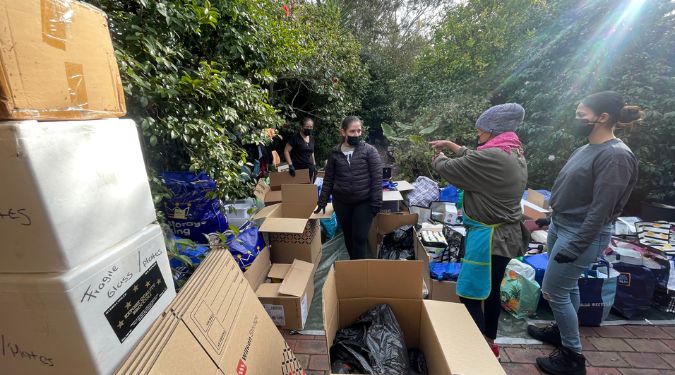
Productivity and daily routines
It is hard to be productive when you cannot find what you need.
Lost keys, missing bills, piles of paperwork, crowded benches and overfilled cupboards can slow down the whole day.
A more organised home can save time and energy.
Imagine being able to find your shoes quickly. Imagine opening a cupboard and seeing what is inside. Imagine knowing where important documents are stored. Imagine starting the day without searching through piles of items.
Organisation does not have to be complicated.
Simple systems often work best.
For example:
Keys go in one bowl.
Bills go in one folder.
Cleaning products stay together.
Everyday clothes are easy to reach.
Items used often are stored at waist height.
Things that are not used often are stored higher or lower.
These simple changes can make routines smoother.
When daily tasks become easier, people often feel more confident and less rushed.
Mood and energy
A home can affect your mood.
Dark, crowded or messy spaces can make people feel tired. Clearer, cleaner spaces can feel lighter and more welcoming.
This does not mean every room needs to be spotless. Real homes are lived in. There will always be dishes, laundry, toys, paperwork and daily mess.
But there is a big difference between normal mess and clutter that makes life harder.
When a space becomes easier to use, people often feel a lift in mood. They may feel proud. They may feel relieved. They may feel more in control.
Cleaning can also create a fresh feeling. Clean sheets, a tidy kitchen, a clear table or a freshly vacuumed floor can change the mood of a whole room.
A small win can build hope.
That hope can lead to another small win.
Over time, the home starts to feel different.
Better sleep and rest
Bedrooms are meant to be places of rest.
But when a bedroom is full of clothes, boxes, paperwork or unused items, it can be hard to relax. The room may feel more like a storage space than a place to sleep.
Decluttering the bedroom can support better rest.
This might include clearing the floor, sorting clothing, removing rubbish, changing bedding, dusting surfaces and making the bed easier to access.
You do not need a perfect bedroom to sleep well. But a calmer bedroom can help your body and mind understand that it is time to rest.
Even simple changes can help, such as:
Clearing the bedside table.
Putting laundry into baskets.
Removing items from the bed.
Creating a clear path to the door.
Keeping only restful items in view.
Good rest supports better mood, health and energy during the day.
Financial benefits and wealth
Decluttering can also help with money.
When a home is cluttered, people often buy things they already own because they cannot find them. This might include food, cleaning products, clothing, tools, batteries, stationery or personal care items.
An organised home makes it easier to see what you already have.
Decluttering may also uncover unused items that can be sold, donated or repurposed. It may help reduce waste because food, supplies and household items are easier to track.
There can also be long-term savings. A cleaner, more organised home may help prevent damage from pests, mould, spills or blocked areas. It can make maintenance easier because problems are seen sooner.
Important paperwork may also become easier to manage. Bills, insurance documents, medical forms and NDIS-related information can be sorted into a system that is simple to use.
Being organised does not make someone wealthy overnight. But it can reduce unnecessary spending, lower stress around bills and help people make better use of what they already have.
Independence and confidence
For many people, especially NDIS participants, older adults or people living with health challenges, a more organised home can support independence.
When items are easier to reach and rooms are easier to move through, daily tasks may become more manageable.
This can include cooking, dressing, showering, doing laundry, taking medication or welcoming support workers into the home.
The right home setup can make people feel more confident.
Instead of needing help for every small task, they may be able to do more for themselves. This can build pride and a sense of control.
Supportive decluttering is not about taking over. It is about working with the person and respecting their choices.
The best results happen when the home is organised around the person’s real life, not someone else’s idea of what a home “should” look like.
Hoarding and more complex situations
Sometimes clutter becomes much more serious.
In hoarding situations, it can be very hard for someone to part with items, even when the home has become unsafe or difficult to live in. There may be strong emotional distress attached to removing belongings.
These situations need patience, respect and understanding.
A forceful approach can make things worse. People may feel judged, frightened or ashamed. A supportive approach focuses on safety, trust and small steps.
The first goal may not be to clear the whole home. It may be to create a safe path, clear a bathroom, make the kitchen usable or remove health hazards.
Progress can take time, and that is okay.
People deserve support that protects their dignity.
The power of a one-stop approach
Decluttering often connects to other tasks.
Once items are sorted, there may be rubbish to remove. There may be donations to organise. There may be cleaning, laundry, deep cleaning and organising, carpet steam cleaning, packing, unpacking or pressure washing to do.
Having support that can cover several needs can make the process easier.
It means people do not have to organise many different services on their own. This is especially helpful for families, carers, support coordinators and NDIS participants who may already be managing a lot.
A one-stop approach can help the whole process feel more coordinated.
The aim is to move from cluttered and stressful to safer, cleaner and easier to manage.
What supportive help should feel like
Good decluttering and cleaning support should feel respectful.
You should not feel judged. You should not feel rushed. You should not feel embarrassed about asking for help.
Supportive workers understand that homes become cluttered for many reasons. They know that each person has their own story, needs and comfort level.
A helpful service will usually focus on:
Listening first.
Understanding your goals.
Working at a manageable pace.
Respecting your choices.
Keeping information private.
Making practical improvements.
Helping you feel more in control.
For NDIS participants, it can also be helpful when a service understands NDIS processes, including an NDIS home reset, and can provide direct NDIS invoicing where appropriate. This can reduce stress for participants, families and support coordinators.
Where to start
Starting is often the hardest part.
Many people feel they need to clean before getting help. But that is not true. You do not need to prepare your home before reaching out for support.
A good first step is to choose one small area.
Not the whole house.
Not every cupboard.
Just one area.
It could be:
The kitchen bench.
The dining table.
One side of the bedroom.
The bathroom floor.
A hallway.
A laundry basket.
A single drawer.
Small areas matter because they create momentum. Once one space is clearer, the next step often feels easier.
You can also ask yourself three simple questions:
Do I use this?
Do I need this?
Does this support the life I want at home?
These questions can make decisions easier.
Progress, not perfection
It is easy to compare your home to photos online. But most people do not live in perfect homes.
A useful home is better than a perfect-looking home.
A home with clear paths, clean surfaces and easy systems can make a real difference, even if there are still jobs to do.
Progress might look like:
Being able to cook dinner.
Finding clean clothes.
Sleeping in a clear bed.
Opening the front door easily.
Letting in fresh air.
Having a clean bathroom.
Inviting a support worker without stress.
Sitting at the table again.
These are meaningful wins.
A fresh start is possible
A fresh start at home does not have to happen all at once.
It can begin with one room, one task or one decision, supported by home declutter assistance when needed.
Decluttering and cleaning can support health, safety, mood, family life, productivity, independence and wellbeing. It can help people feel calmer, more capable and more comfortable in their own space.
Most importantly, it can remind people that they are not stuck.
With kind, practical and non-judgemental support, including home organisers for NDIS and practical household support, a home can become easier to live in again.
Home should be a place where you can rest, move safely, care for yourself and feel at ease. It does not need to be perfect. It just needs to work for you.
A fresh start is not about throwing everything away.
It is about making space for life to feel lighter, safer and more manageable.
Ready for a calmer, safer home? Contact Home Organisers today for compassionate decluttering and cleaning support.
Call 0468 081 399, email nancy@homeorganisers.com.au, or visit https://homeorganisers.com.au.
Key Takeaways
- Decluttering and cleaning are not about having a perfect home. They are about making your home safer, calmer and easier to live in.
- A clearer home can support better physical health by reducing dust, mould, rubbish and safety risks.
- Clutter can affect stress, mood, sleep, confidence and emotional wellbeing.
- Supportive decluttering can help families create easier routines, safer spaces and more peaceful shared areas.
- An organised home can save time, reduce stress and make daily tasks feel more manageable.
- Decluttering may help reduce unnecessary spending by making it easier to see and use what you already own.
- For NDIS participants, a more organised home can support independence, confidence and everyday living.
- Hoarding and complex clutter need patience, compassion and non-judgemental support.
- Small steps matter. Starting with one drawer, one bench or one room can create real progress.
- A fresh start at home is possible with practical, respectful and supportive help.
Case Study 1:
From Overwhelmed to Safe and Calm — A Gentle Home Reset for an NDIS Participant
Background
Mara, an NDIS participant living in Melbourne, had been finding it harder to keep up with daily household tasks after a change in her health. At first, it was just a few things left on the kitchen bench. Then the laundry started to pile up. Paperwork, food packaging, old household items and personal belongings slowly spread into the hallway, bedroom and living area.
Mara wanted her home to feel peaceful again, but every time she looked around, she felt stuck.
She did not know where to begin.
She also felt embarrassed about asking for help. She worried that people would judge her or tell her to throw away things before she felt ready.
Her support coordinator suggested home organisers for NDIS who could provide compassionate decluttering help and practical household support at a pace that felt safe.
The Challenge
Mara’s main concerns were safety, hygiene and stress.
The hallway was narrow because bags and boxes had built up along the walls. The kitchen bench was crowded, which made cooking difficult. The bedroom floor had clothing and storage tubs, making it hard to move around safely.
Mara was also not sleeping well. She said her room did not feel restful anymore. Instead of feeling like a place to relax, it felt like another job waiting to be done.
Her goals were simple:
She wanted to move safely through her home.
She wanted to use her kitchen again.
She wanted her bedroom to feel calmer.
She wanted help without feeling rushed or judged.
The Support Provided
The team began with a gentle NDIS home reset focused on safety and daily function.
Instead of trying to clear the whole home at once, they started with the hallway. This gave Mara an immediate feeling of relief because she could walk from the front door to the living room without stepping around items.
Next, they worked on the kitchen. Items were sorted into simple groups: keep, donate, recycle and remove. Food packaging and rubbish were cleared. Benches were wiped down, cupboards were lightly organised and daily-use items were placed where Mara could easily reach them.
This decluttering support Melbourne service also included supportive cleaning services. Once clutter was reduced, the team cleaned surfaces, floors and high-use areas so the home felt fresher and easier to maintain.
The bedroom was handled with extra care. Mara had clothing and personal items that carried emotional meaning, so the team allowed time for decisions. They helped create a small memory box, organised clothing into baskets and cleared the floor around the bed.
The focus was not perfection. The focus was creating a safe and clean home that supported Mara’s daily life.
The Outcome
By the end of the service, Mara’s home felt lighter, safer and more manageable.
She could walk through her hallway safely.
She could prepare simple meals in her kitchen.
She could get in and out of bed without stepping over items.
She had a clearer system for laundry, paperwork and daily belongings.
Most importantly, Mara felt respected throughout the process.
She said the biggest change was not just the cleaner home. It was the feeling that she could breathe again.
This home declutter assistance helped Mara regain confidence in her space. It also reduced pressure on her informal supports, because her home was easier to visit, safer to move through and simpler to maintain.
Key Lesson
A fresh start does not have to happen all at once. With fresh start home services, kind support and small practical steps, a home can become safer, calmer and easier to live in again.
Case Study 2:
Helping a Family Reclaim Their Home After Years of Clutter
Background
The Wilson family had lived in their Melbourne home for more than 15 years. Over time, their garage, spare room and dining area had become storage spaces for old furniture, boxes, paperwork, toys, tools and household items.
The family had tried to declutter many times, but the task always felt too big. Everyone had a different opinion about what should stay and what should go.
The dining table was rarely used for meals anymore. The spare room could not be used by visiting family. The garage was full, making it difficult to find tools, sports equipment or seasonal items.
The family wanted deep cleaning and organising, but they also needed emotional support through the process. Some items belonged to older relatives. Some were connected to childhood memories. Some were simply things they had kept “just in case”.
They reached out for supportive cleaning services and compassionate decluttering help to make the process feel less stressful.
The Challenge
The biggest challenge was not just the amount of clutter. It was the emotional weight attached to the items.
The parents felt guilty about throwing things away.
The children felt frustrated because shared spaces were hard to use.
The family often argued about where things belonged.
The garage had become so full that items were difficult to reach safely.
The dining area no longer felt like a place for connection.
The family wanted a calmer home, but they needed a clear plan and a non-judgemental team to guide them.
The Support Provided
The team began with a walk-through to understand the family’s priorities.
Together, they chose three main goals:
Make the dining room usable again.
Create safe storage in the garage.
Clear and clean the spare room.
The process started in the dining area because it would give the family a quick and meaningful result. Items were sorted into clear categories: keep in the dining area, move to another room, donate, recycle or remove.
Once the dining table was cleared, the team cleaned the space and helped create a simple system for paperwork, school items and everyday family belongings.
Next, the team moved to the spare room. They helped the family decide what the room was meant to be used for. Instead of becoming a dumping ground, the room was reset as a calm guest room and quiet study space.
The garage required more intensive home declutter assistance. The team sorted items safely, removed rubbish and grouped useful belongings into zones. Tools, outdoor equipment, keepsakes and storage boxes were placed in clear sections so the family could find things more easily.
This practical household support also included cleaning after the clutter was reduced. Dust, cobwebs and old packaging were removed. Floors were cleared. Surfaces were wiped down. The home felt more open and easier to use.
The Outcome
The family noticed the change immediately.
They could eat dinner at the dining table again.
The spare room became useful for guests and quiet work.
The garage became safer and easier to access.
The family stopped buying duplicate items because they could finally see what they already owned.
There was also an emotional shift. Instead of feeling ashamed of the clutter, the family felt proud of the progress they had made.
The parents said the process helped them understand that letting go of items did not mean letting go of memories. They kept the things that mattered most and made space for the way their family lives now.
This created a more safe and clean home, improved family routines and reduced everyday stress.
Key Lesson
Decluttering is not only about removing things. It is about making space for family life, rest, connection and better routines. With the right decluttering support Melbourne families can rely on, even long-term clutter can be handled with care, patience and practical steps.
FAQ: How Can Decluttering and Cleaning Support a Fresh Start at Home?
- I feel embarrassed about the state of my home. Will I be judged if I ask for decluttering help?
No. A supportive decluttering service should be kind, respectful and non-judgemental. Many people feel overwhelmed by clutter due to stress, illness, disability, grief, family changes or simply not having enough support. The goal is not to blame you. It is to help you take the next step towards a safer, calmer and more manageable home.
- Can Home Organisers help if my home feels too overwhelming to even know where to start?
Yes. You do not need to have a plan before asking for help. The team can help identify the safest and most useful place to begin, whether that is a hallway, bedroom, kitchen, bathroom, laundry or living area. Even starting with one small space can make a big difference.
- What if I find it hard to let go of things during decluttering?
That is very common. Many items carry memories, emotions or worries about “needing them one day”. Compassionate decluttering help is about working at a pace that feels safe for you. You can make decisions step by step, with support to sort items into what to keep, donate, recycle, remove or store properly.
- Can decluttering and cleaning support help make my home safer?
Yes. Clutter can create trip hazards, block walkways, make bathrooms harder to access and increase health risks from dust, mould, rubbish or pests. Supportive cleaning and organising can help create clearer paths, cleaner rooms and safer spaces for daily living.
- Is this service suitable for NDIS participants who need help at home?
Yes. Home Organisers supports NDIS participants with practical household support, decluttering, cleaning and home reset services. This can help participants feel more independent, confident and comfortable in their own space.
- Do I need to clean or organise my home before the team arrives?
No. You do not need to prepare your home before getting support. The whole point of the service is to help with the areas that feel difficult or overwhelming. A good team will meet you where you are and work with care, privacy and respect.
- Can decluttering support help my family feel less stressed at home?
Yes. When shared spaces are cluttered, family routines can become harder. People may lose things, argue more or feel uncomfortable using certain rooms. Decluttering can help create clearer play areas, easier morning routines, safer walkways and calmer spaces for everyone.
- What areas of the home can be decluttered and cleaned?
Support can usually include bedrooms, kitchens, bathrooms, laundries, living rooms, garages, wardrobes, cupboards, storage areas and outdoor spaces. Depending on your needs, the process may also include deep cleaning, rubbish removal, laundry, packing, unpacking or organising household items.
- Can Home Organisers help with hoarding or very complex clutter?
Yes. Hoarding and complex clutter need patience, care and understanding. The focus is usually on safety, trust and small steps rather than rushing the whole process. This may begin with clearing pathways, making a bathroom usable, improving hygiene or removing health hazards.
- How can I take the first step if I feel nervous about asking for help?
Start with one simple goal, such as clearing a pathway, making the kitchen easier to use or getting the bedroom ready for better rest. You do not have to explain everything perfectly. Reaching out for support is already a strong first step towards a safer, cleaner and more peaceful home.
