

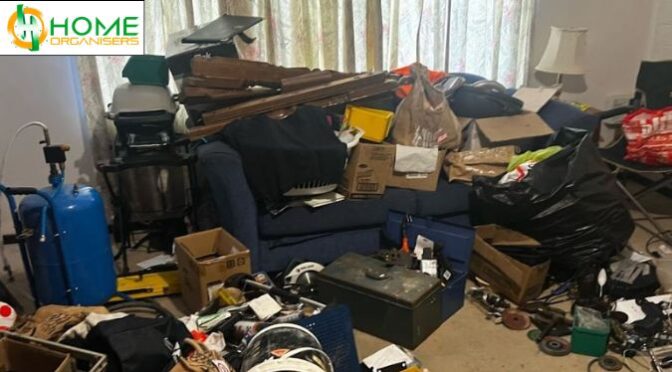
Home organisation services NDIS can help NDIS participants live more safely, calmly and independently. By creating practical systems around the home, daily tasks become easier, stress is reduced, routines improve, and family members, carers and support workers can provide better support. A well-organised home is not about perfection. It is about creating a living space that supports better health, confidence, wellbeing and better participant outcomes.
When people hear the term home organisation, they often think about tidy cupboards, labelled containers and neatly folded clothes. While those things can certainly be part of the process, home organisation is about much more than appearance. For NDIS participants, a well-organised home can have a significant impact on safety, independence, wellbeing and overall quality of life.
The home is where daily life happens. It is where people eat, sleep, relax, manage personal care, take medication, spend time with family and work towards their goals. When the home environment is cluttered or difficult to manage, even simple tasks can become challenging. Over time, this can create unnecessary stress and make everyday life harder than it needs to be.
Home organisation focuses on creating practical systems that help people live more comfortably and independently. Rather than aiming for perfection, the goal is to create spaces that are functional, easy to maintain and suited to the individual’s unique needs.
Why Home Organisation Matters for NDIS Participants
The National Disability Insurance Scheme is designed to help participants improve their independence, wellbeing and participation in everyday life. While NDIS support services Melbourne, therapies and assistive technologies all play important roles, the home environment is often overlooked.
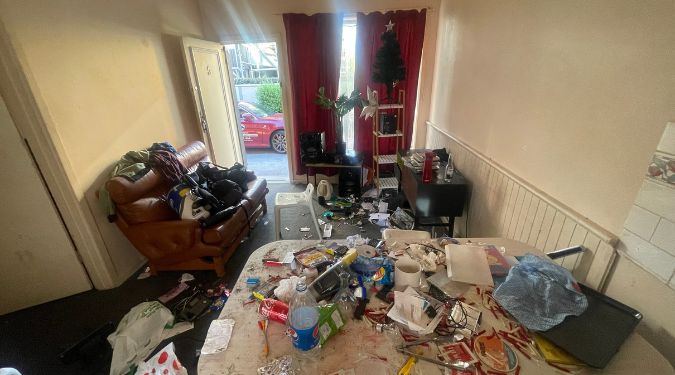
A person’s surroundings can either support their goals or make achieving them more difficult. When important items are hard to find, walkways are blocked, storage areas are overcrowded or daily routines are constantly interrupted by disorganisation, unnecessary barriers are created.
For many NDIS participants, organising the home can remove these barriers and create a living environment that better supports their needs. A well-organised home allows people to spend less time managing clutter and more time focusing on the activities, relationships and goals that matter most to them.
Supporting Greater Independence
One of the most important benefits of home organisation is increased independence.
Many daily tasks become easier when belongings are stored logically and consistently. Knowing where items are located can reduce frustration and help people complete tasks without needing as much assistance from family members, carers or support workers.
Something as simple as organising a wardrobe can make getting dressed easier. Creating a designated space for medications can help establish a more reliable routine. Arranging kitchen items in accessible locations can support meal preparation and encourage greater participation in everyday household activities.
These may seem like small changes, but small improvements often have a big impact. When people can complete more tasks independently, they often experience a greater sense of confidence and self-belief.
Independence is not about doing everything alone. It is about having the ability to make choices and manage daily life with as much control as possible. Home organisation can play an important role to improve independence at home.
Improving Safety at Home
Safety is another major reason why disability home organisation is so valuable for NDIS participants.
A cluttered environment can create hazards that increase the risk of accidents and injuries. Loose items on the floor, overcrowded storage spaces and blocked walkways can all contribute to trips, falls and other safety concerns.
For people living with mobility challenges, balance issues, vision impairments or physical disabilities, these risks can be even greater.
An organised home creates clear pathways throughout the property and makes frequently used items easier to access. This reduces the need to reach, bend, climb or navigate around obstacles.
Safety improvements may also help people remain living independently for longer. When the home environment is easier to navigate and manage, daily life often becomes safer and less stressful.
Families and carers frequently experience peace of mind knowing that the home is set up in a way that reduces potential risks and supports ongoing independence.
The Impact of Home Organisation on Mental Health
Our environment has a powerful influence on how we think and feel.
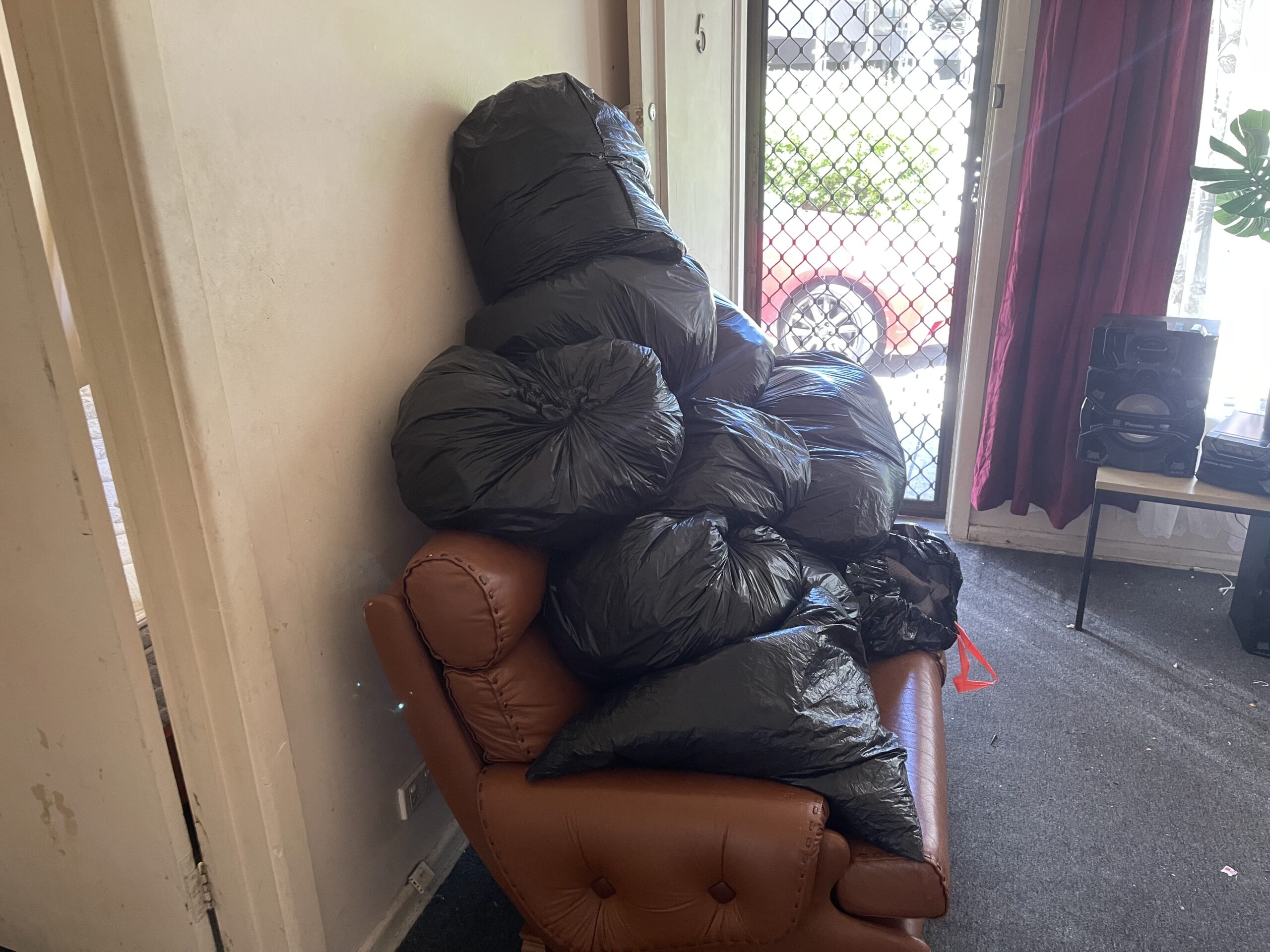
Most people have experienced walking into a messy room and immediately feeling stressed or overwhelmed. Now imagine feeling that way every day.
For many NDIS participants, particularly those living with anxiety, depression, ADHD, autism or other cognitive challenges, clutter can contribute to mental overload. Visual distractions, unfinished tasks and disorganised spaces can make it difficult to focus and relax.
When the home feels chaotic, the mind often feels chaotic too.
An organised environment can create a sense of calm and order. It reduces visual clutter and helps people feel more in control of their surroundings. Many people report feeling less stressed, more focused and more relaxed after improving the organisation of their home.
Mental wellbeing is influenced by many factors, but the environment people live in should never be underestimated. A home that feels manageable can make a significant difference to participant wellbeing at home.
Reducing Feelings of Overwhelm
Clutter is not always just about physical belongings. It often carries emotional weight as well.
Many people keep items because they remind them of important memories, represent past experiences or create a sense of security. Others may find it difficult to make decisions about what to keep and what to let go of.
Over time, these possessions can accumulate and contribute to feelings of overwhelm.
For NDIS participants who are already managing daily challenges, a cluttered environment can become another source of stress.
Home organisation helps break overwhelming situations into smaller, more manageable steps. Instead of focusing on everything that needs to be done at once, attention can be given to one area at a time.
As progress is made, people often experience a greater sense of achievement and control. This can improve confidence and reduce the anxiety that frequently accompanies cluttered or disorganised living environments.
Supporting Better Daily Routines
Daily routines play an important role in physical and mental wellbeing.
When routines are disrupted, everyday life can become more stressful.
Disorganisation often makes routines harder to maintain.
Simple activities such as getting ready in the morning, preparing meals, taking medication or completing household tasks can take longer and require more effort when items are misplaced or difficult to access.
An organised home supports routines by making everyday tasks easier to complete.
When belongings have designated places and systems are in place, people spend less time searching for items and more time following their routines.
Consistent routines can improve confidence, reduce stress and create a greater sense of stability. Over time, this consistency can contribute to better physical health, improved mental wellbeing and increased independence.
The Connection Between Home Organisation and Physical Health
Home organisation can also have a positive impact on physical health.
An organised kitchen can encourage healthier eating habits because food is easier to find and prepare. Well-organised medication areas can support medication management and reduce the likelihood of missed doses.
A tidy and organised environment is also generally easier to clean and maintain, which can contribute to better hygiene and a healthier living space.
Reducing clutter can improve accessibility within the home, encouraging movement and reducing the risk of injuries caused by trips and falls.
These benefits may appear small on their own, but together they can contribute to significant improvements in health and wellbeing over time.
Helping Families, Carers and Support Workers
The benefits of home organisation often extend beyond the NDIS participant.
Family members, carers and support workers can all benefit from a more organised environment.
When systems are clear and belongings are easy to locate, support tasks can be completed more efficiently. Less time is spent searching for items or trying to understand where things belong.
This can reduce frustration and improve communication between everyone involved in the participant’s support network.
A more organised home can also create a calmer atmosphere for family members. When the environment feels manageable, relationships often improve because there is less stress associated with daily household tasks.
For many families, home organisation creates a stronger sense of teamwork and reduces the pressure that clutter can place on relationships.
Saving Time and Energy
One of the most overlooked benefits of home organisation is the amount of time it can save.
People often spend far more time than they realise searching for misplaced items, managing clutter or dealing with unnecessary distractions.
When the home is organised, tasks can be completed more efficiently. Less energy is spent making decisions about where things belong or trying to locate important items.
For NDIS participants, conserving energy can be particularly important. The energy saved through better organisation can be directed towards activities that bring enjoyment, fulfilment and personal growth.
This might include spending time with family, participating in hobbies, attending appointments or pursuing educational and employment opportunities.
Improving Confidence and Self-Esteem
The condition of a person’s living environment can influence how they feel about themselves.
When a home feels cluttered and overwhelming, people may experience embarrassment, frustration or feelings of failure. Some may avoid inviting visitors into their home because they feel self-conscious about the state of their environment.
An organised home can help change this.
Many people experience a sense of pride when their living space feels functional and comfortable. They feel more confident welcoming family, friends and support workers into their home.
This boost in confidence can have positive effects on many areas of life. It can encourage greater social participation, improve relationships and support a stronger sense of self-worth.
Financial Benefits of Home Organisation
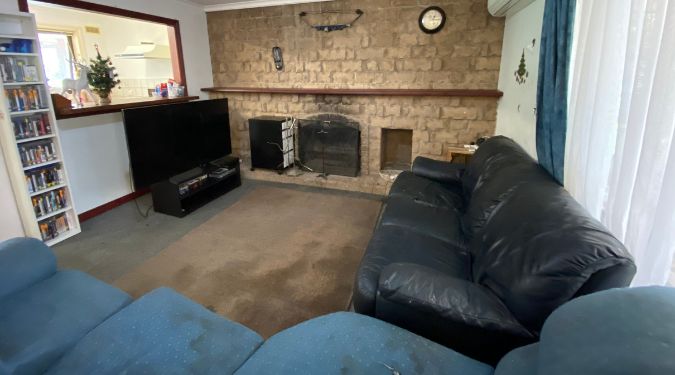
Although it is not often discussed, home organisation can also support better financial outcomes.
Disorganisation can lead to unnecessary spending. People may purchase items they already own because they cannot find them. Food can expire when it becomes lost in crowded cupboards or refrigerators. Important paperwork can be misplaced, leading to missed opportunities or additional costs.
When belongings are organised and easy to locate, people are generally better able to manage what they already have.
Over time, this can reduce waste and encourage more thoughtful spending habits.
While financial savings may not be the primary goal of home organisation, they are often a welcome benefit.
Creating a Foundation for Better Outcomes
Every NDIS participant has different goals. Some aim to improve independence. Others focus on education, employment, social participation, health or personal development.
Regardless of the specific goal, a supportive home environment provides a strong foundation for success.
When people spend less time dealing with clutter and more time focusing on meaningful activities, progress often becomes easier.
A well-organised home supports daily life in countless ways. It creates a safer environment, reduces stress, supports routines, improves wellbeing and encourages greater independence.
Most importantly, it helps create a space where people can focus on living their lives rather than managing their belongings.
How Home Organisation Can Work With Support Coordination
Good home support coordination can help participants, families and support workers understand what changes are needed in the home.
This may include identifying areas that feel unsafe, difficult to use or overwhelming. It may also involve looking at what daily tasks are becoming harder and what practical changes could make life easier.
Home organisation can become one of the most useful practical supports for participants because it directly improves the environment where daily life happens.
For some participants, this may involve organising the kitchen so meals are easier to prepare. For others, it may mean creating safer walkways, sorting paperwork, improving bedroom storage or setting up household systems that are easier for carers and support workers to follow.
This type of NDIS household assistance can make the home easier to manage and more supportive of the participant’s goals.
Working with a trusted home organising provider can also help ensure the process is respectful, calm and suited to the participant’s needs.
Final Thoughts
Home organisation is about far more than creating a tidy house.
For NDIS participants, it can support better physical health, improved mental wellbeing, stronger routines, greater confidence and increased independence. It can reduce stress, improve safety and create a more positive living environment for both participants and their support networks.
The benefits often extend into every area of life, including emotional wellbeing, family relationships, productivity, financial management and personal growth.
A home should be a place that supports people, not a source of frustration or overwhelm. When the environment is organised and functional, everyday life becomes easier to manage, and achieving personal goals becomes far more attainable.
For many NDIS participants, home organisation is not simply about where things are stored. It is about creating a home that supports a happier, healthier and more independent future.
If you or someone you care about could benefit from a safer, more organised and easier-to-manage home, Home Organisers is here to help. Get in touch to discuss practical home organisation solutions tailored to your needs and goals.
Phone: 0468 081 399
Email: nancy@homeorganisers.com.au
Website: https://homeorganisers.com.au
Take the first step towards a calmer, more functional home today.
Key Takeaways
- Home organisation can help NDIS participants live more safely and independently.
- A well-organised home can reduce stress, overwhelm and mental fatigue.
- Clear systems can make daily routines easier to follow.
- Organised spaces can improve access to medications, documents, clothing, food and daily essentials.
- Better home organisation can support physical health, emotional wellbeing and confidence.
- Families, carers and support workers can provide more consistent support when the home is easier to manage.
- Home organisation is not about perfection. It is about creating a practical, safe and supportive home environment.
- The right support can help create better participant outcomes and improve everyday quality of life.
Case Study 1:
Helping Sarah Feel Safe and Calm at Home Again
Sarah is an NDIS participant living in Melbourne who was finding it harder to manage her home each week. Her bedroom, kitchen and living areas had become cluttered, and she often felt anxious before support workers arrived.
She was not lazy or careless. She was overwhelmed.
Simple tasks like finding clean clothes, preparing meals or locating paperwork were taking too much energy. Her family wanted to help, but they did not know where to start without upsetting her.
Through home organisation services NDIS, Sarah received gentle, practical support to make her home easier to manage. The focus was not on creating a perfect-looking house. The goal was better participant outcomes through safer, calmer and more usable spaces.
Her kitchen was reorganised so everyday items were easier to reach. Her pantry was sorted so food was easier to see. Her wardrobe was simplified so getting dressed felt less stressful. Important documents were placed in one clear system so Sarah and her support worker could find them quickly.
This type of disability home organisation helped reduce daily overwhelm and improved participant wellbeing at home.
After the home was reorganised, Sarah felt more confident inviting her support worker inside. She also started preparing simple meals again because the kitchen no longer felt impossible to use.
With the right practical supports for participants, Sarah was able to improve independence at home and feel more in control of her daily routine.
Case Study 2:
Supporting Michael’s Family With a More Functional Home
Michael is an NDIS participant who lives with his parents. Over time, the family home had become difficult to manage. Medical paperwork, therapy items, clothing, household supplies and daily essentials were spread across different rooms.
His parents were exhausted. They were constantly looking for things, repeating tasks and feeling like the home was working against them.
They needed more than a basic tidy-up. They needed proper NDIS household assistance that supported Michael’s goals and made daily care easier.
A home organising provider helped the family create clear systems throughout the home. Michael’s bedroom was arranged so he could access his personal items more easily. His therapy tools were placed in labelled storage. Medication and health paperwork were organised into simple categories. The laundry and wardrobe areas were reset so clothing routines became easier for everyone.
This made a major difference to the family’s daily life.
The improved setup supported better home support coordination because carers and family members could quickly understand where things belonged. Support workers no longer had to ask where everything was. Michael’s parents felt less stressed, and Michael had more confidence moving through his own space.
For families looking for NDIS support services Melbourne, home organisation can be a simple but powerful way to improve safety, reduce stress and create a more supportive home environment.
The biggest result was not just a neater house. It was a calmer family, smoother routines and a home that better supported Michael’s independence.
FAQ: How Do Home Organisation Services Support NDIS Participants?
- My home feels overwhelming and I do not know where to start. Can home organisation services help?
Absolutely. Many NDIS participants and their families feel overwhelmed when clutter builds up over time. Home organisation services focus on creating manageable, step-by-step solutions rather than trying to change everything at once. The goal is to reduce stress, improve safety and create a home that feels easier to live in every day.
- How can home organisation help me become more independent at home?
A well-organised home makes everyday tasks simpler. When important items have designated places and systems are easy to follow, participants can often complete more daily activities without assistance. This can help build confidence and support greater independence over time.
- Can home organisation services help people with anxiety, ADHD or autism?
Yes. Many people living with anxiety, ADHD, autism and other cognitive conditions find that clutter and disorganisation contribute to feelings of overwhelm. Creating structured, easy-to-maintain systems can reduce mental load, improve focus and create a calmer living environment.
- Will I be forced to throw away my belongings?
No. Home organisation is not about forcing people to get rid of their possessions. Every decision remains with the participant. The focus is on creating a home that works better for your needs while respecting your belongings, memories and personal preferences.
- How does home organisation improve safety for NDIS participants?
Home organisation can reduce trip hazards, clear walkways, improve accessibility and make important items easier to reach. These changes can lower the risk of falls and accidents while helping participants move more safely around their homes.
- Can home organisation services help family members and carers as well?
Yes. When a home is organised, family members, carers and support workers often find it easier to provide support. Clear systems reduce confusion, save time and create a more positive environment for everyone involved in the participant’s care.
- What areas of the home can be organised?
Almost any area can benefit from organisation, including bedrooms, wardrobes, kitchens, pantries, bathrooms, laundries, home offices, garages, storage rooms and paperwork systems. The approach is always tailored to the participant’s individual needs and goals.
- Can home organisation help me keep track of medications and important documents?
Yes. Many participants find that organised systems for medications, medical paperwork and important documents make daily life much easier. Having designated locations can reduce stress and help prevent important items from being misplaced.
- How can home organisation improve my mental wellbeing?
Living in a cluttered environment can contribute to stress, anxiety and feelings of overwhelm. An organised home often feels calmer and easier to manage, helping participants feel more in control of their surroundings and improving overall wellbeing.
- Is home organisation covered under the NDIS?
Depending on individual circumstances, goals and plan inclusions, some home organisation supports may be funded through the NDIS when they help participants improve their independence, safety and ability to manage daily living activities. It is always best to discuss your specific situation with your support coordinator, plan manager or NDIS representative.
