

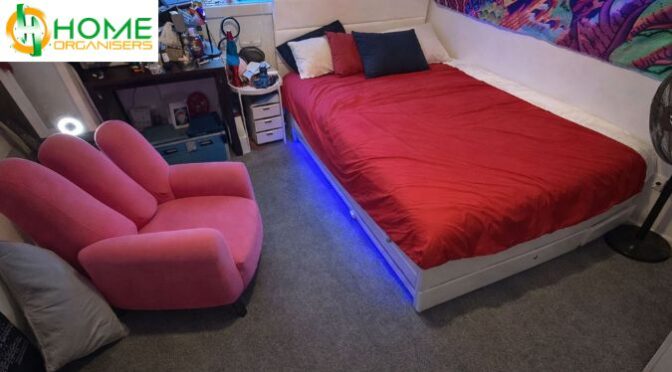
Decluttering does more than make a home look tidy. It can reduce stress at home, improve mood, make daily tasks easier, and create a safer home environment for everyone in the household. A less cluttered home can also support better sleep, healthier routines, family harmony, and even save money by helping you avoid waste and duplicate purchases. The goal is not perfection — it is creating a home that feels calmer, safer, and easier to live in.
Home should feel like a place where you can breathe out, relax, and feel safe. But when rooms are crowded, surfaces are covered, and it is hard to find what you need, home can start to feel heavy instead of helpful.
That is one of the reasons decluttering matters so much.
Decluttering is not about making your house look perfect. It is not about throwing everything away or living with empty shelves. It is about making your home easier to use, easier to clean, and easier to enjoy. It is about creating space for everyday life.
And the benefits go much further than appearance.
A cluttered home can increase stress, make daily tasks harder, affect your mood, and even create safety risks. Research has found links between stress and problems such as trouble sleeping, headaches, difficulty concentrating, irritability, and feeling overwhelmed. The way we experience our home environment can play a part in that stress. Studies have also found that some people who describe their homes as cluttered and chaotic show higher stress responses.
So let us look at this from different angles.
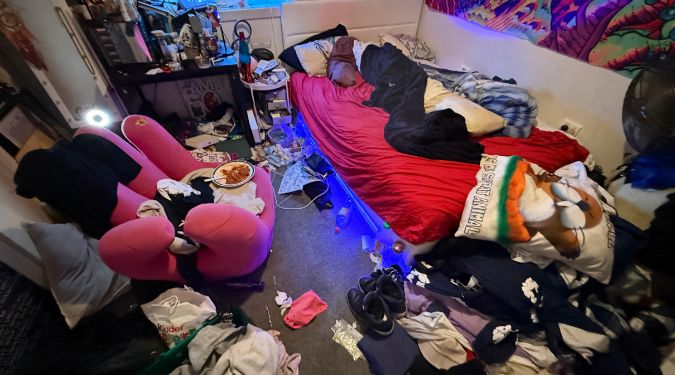
Decluttering can help lower mental overload
Clutter is not just “stuff”. It is also visual noise.
When every bench is full, every chair has clothes on it, and every cupboard is packed, your brain has to work harder. Even when you are trying to rest, your eyes keep landing on unfinished jobs. The basket of washing. The unopened post. The toys on the floor. The pile in the hallway you meant to sort last week.
That constant visual reminder can make it harder to switch off.
Many people say clutter makes them feel like they are always behind, even when they are doing their best. A messy space can create a sense that work is never done. That feeling can drain your energy and make ordinary days feel harder than they need to be.
Decluttering helps by reducing the number of things competing for your attention. When your space is clearer, your brain often feels clearer too. You can think more easily, make decisions faster, and settle into the day with less friction. This is one of the key organised home benefits many people notice straight away.
Decluttering can support emotional wellbeing
A cluttered home can bring up a lot of feelings.
For some people, it is frustration. For others, it is guilt, embarrassment, shame, sadness, or even grief. Sometimes clutter builds slowly over time during busy seasons, illness, parenting, caring for others, moving house, loss, burnout, or major life changes. What looks like “mess” from the outside is often a sign that life has simply been a lot.
That is why decluttering is not just practical. It can be emotional too.
Clearing space can create a feeling of relief. It can help people feel more in control again. It can make home feel calmer, lighter, and more hopeful. Even small changes can have a big emotional effect. One clear kitchen bench, one tidy drawer, or one organised entryway can make a person feel more settled.
There is something powerful about walking into a room and not feeling instantly stressed by it.
Decluttering can also reduce the emotional weight of unfinished decisions. Many homes contain items people mean to deal with “one day”. Clothes that no longer fit. Broken appliances. Paperwork that needs sorting. Gifts no one uses but feels bad letting go. Once those decisions are made, many people feel a genuine sense of release. That is why compassionate decluttering matters so much, especially when the process feels personal or overwhelming.
Decluttering can improve physical health
Stress does not just stay in the mind. It affects the body too.
A cluttered home can feed that cycle in small but constant ways. It can make cleaning harder, cooking harder, resting harder, and moving around harder. It can make simple routines take longer. And when everything feels harder, stress often grows.
Decluttering can support physical health by making healthy habits more realistic. For example:
- A clear kitchen makes it easier to prepare meals.
- An organised bedroom can feel more restful at night.
- A tidy living area can make movement and stretching easier.
- A manageable laundry area can help keep clothing and bedding fresh.
- Clear floors and surfaces collect less dust and are easier to clean regularly.
Decluttering does not cure stress on its own, of course. But it can remove a daily source of pressure and make a home feel more supportive of healthy routines.
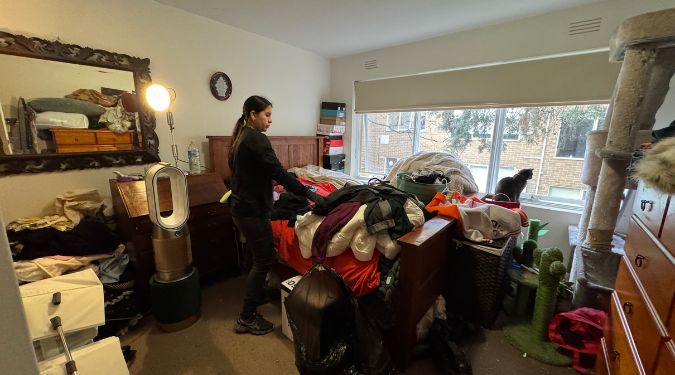
Decluttering creates a safer home
This is one of the most practical benefits of decluttering.
Items left on the floor, crowded walkways, unstable piles, loose cords, overflowing storage, and blocked exits can all increase the risk of accidents at home.
That matters for everyone, not only older people.
Children can trip on toys, pets can knock over piles, and adults rushing through busy mornings can stumble over shoes, bags, or cords. Heavy items stored badly can fall. Crowded cupboards can spill when opened. Hallways full of “temporary” items can become everyday obstacles.
Decluttering improves safety by helping to create:
- clear walking paths
- easier access to doors and exits
- safer storage for heavy or sharp items
- more usable benches and work areas
- less risk of tripping over loose belongings
- better visibility around the home
A safer home often feels calmer too, because you are not constantly navigating around things. For people receiving NDIS home support, this can be especially important when working towards a more functional and accessible space.
Decluttering can help families feel calmer
Family life is busy. There is school, work, meals, appointments, laundry, shopping, sport, and all the little things in between. When the home is cluttered, every task can take longer.
You spend ten minutes looking for a school hat. You cannot find the lunch containers. The shoes are missing. The batteries are in the wrong drawer. The paperwork is under a pile of catalogues. By 8:30 in the morning, everyone is already stressed.
Clutter can increase tension in households because it adds extra effort to tasks that already need doing. It can also lead to arguments about whose things are where, who is meant to clean up, and why the house feels out of control.
Decluttering can make family life smoother because it makes systems easier.
When things have a proper place, children know where to put them back. When cupboards are not overfilled, it is easier to find what you need. When common areas are less crowded, there is more room to play, talk, eat, and relax together.
It also helps reduce that feeling that every room is asking something from you.
Families do not need perfect homes. They need homes that function. Sometimes, practical home organisation services can help create systems that make daily life simpler for everyone.
Decluttering can lift your mood
There is a reason people often say a tidy room helps them feel better. Environment affects emotion.
When a space feels dark, crowded, chaotic, or hard to use, it can affect motivation and mood. On the other hand, when a room feels open, clean, and manageable, people often describe feeling lighter, calmer, and more comfortable in it.
That change in mood is not just about beauty. It is about relief.
A decluttered space can help you feel:
- less overwhelmed
- less irritated
- more settled
- more hopeful
- more comfortable having people over
- more able to enjoy your own home
That last point matters. Many people stop using parts of their home when clutter builds up. A dining table becomes a storage surface. A spare room becomes a dumping ground. A garage becomes too full to use properly. Decluttering can help people reclaim those spaces and enjoy them again.
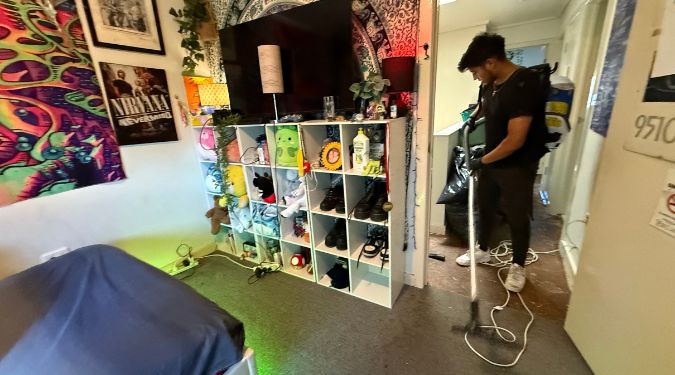
Decluttering can improve productivity
It is hard to get things done when you cannot find what you need.
Clutter slows people down. You lose time searching for items, moving piles from one place to another, and redoing jobs because the system at home is not working. Even small tasks can feel bigger in a cluttered environment.
Think about how much easier life is when:
- the keys are always in one spot
- the paperwork is filed properly
- the pantry is easy to see
- the school bags have a landing place
- the wardrobe contains clothes you actually wear
- the workspace is clear enough to focus
Decluttering supports productivity because it removes friction. It makes routines simpler. It helps people move from one task to the next with less stress and less delay.
And productivity at home is not only about paid work. It is also about getting through everyday life with more ease.
Decluttering can save money
This is one benefit people do not always think about.
Clutter can be expensive.
When you cannot see what you already own, you are more likely to buy duplicates. Another packet of batteries. Another black T-shirt. Another school glue stick. Another set of food containers. Another cleaning product hiding behind the five you already have.
Disorganisation can also lead to late fees, wasted food, forgotten subscriptions, lost paperwork, and damaged items that were stored badly.
Decluttering helps you use what you already have. It helps you spot waste, avoid repeat purchases, and make better decisions about storage and spending. It can also make moving house, downsizing, renovating, or preparing a property much easier and less costly.
In that way, decluttering supports not just wellbeing, but household finances too.
Decluttering can make cleaning easier
This one is simple but important.
The more clutter there is, the harder it is to clean properly.
Surfaces covered in belongings cannot be wiped easily. Floors covered in piles cannot be vacuumed well. Overfull cupboards become difficult to manage. Bathrooms and kitchens become more frustrating to maintain when too many things are stored in them.
Decluttering makes cleaning easier because there is less to move, less to sort around, and less to collect dust. That can save time each week and help the home stay in better shape overall. Many people first seek clutter removal help for this reason alone.
And once a home becomes easier to clean, people often find it easier to keep on top of it.
Decluttering can support independence and confidence
A well-organised home helps people do more for themselves.
That can matter for older adults, people with mobility challenges, people recovering from illness, busy parents, and anyone who feels overwhelmed by too much stuff. When everyday items are easier to reach and rooms are easier to move through, life can feel more manageable.
A home that works well supports confidence. You know where things are. You can get to what you need. You are not constantly battling piles, blocked spaces, or overstuffed cupboards.
That sense of control matters. It can help people feel more capable and less defeated by the day-to-day running of a home. It can also support home safety for NDIS participants who need clearer pathways and more usable living spaces.
Decluttering does not have to be extreme
One of the biggest myths about decluttering is that it has to be dramatic.
It does not.
You do not need to empty the whole house in one weekend. You do not need matching containers for everything. You do not need to become a minimalist. And you do not need to be ruthless with sentimental items.
Good decluttering is practical, personal, and realistic.
For one person, it might mean clearing the kitchen bench so cooking feels easier. For another, it might mean making the hallway safe. For a family, it might mean setting up simple systems for bags, shoes, and lunchboxes. For someone going through a hard season, it might simply mean creating enough calm in one room to rest.
Small steps count.
For some households, support such as decluttering services Melbourne, NDIS decluttering support, or broader home organisation services can make those small steps easier to begin.
A simple way to start
If the idea of decluttering feels overwhelming, start small.
Pick one tiny area:
- one drawer
- one shelf
- one bench
- one basket
- one corner of one room
Then ask simple questions:
- Do I use this?
- Do I need this?
- Do I love this?
- Would this be better stored somewhere else?
- Is this making life easier or harder?
You do not need to finish the whole house to feel a difference. Often, the first small win builds momentum.
And for people who need extra assistance, NDIS home support or NDIS decluttering support may help make the process feel more manageable and less overwhelming.
Final thoughts
Decluttering is not about perfection. It is about support.
A clearer home can reduce stress, improve safety, lift mood, save time, support healthier habits, and make family life easier. It can help people feel calmer, more comfortable, and more in control in the place where they live every day.
Most of all, decluttering helps a home do what it is meant to do: support the people living in it.
And that is never a small thing.
Whether someone is looking for decluttering services Melbourne, practical clutter removal help, more tailored home organisation services, or compassionate decluttering as part of NDIS home support, the goal stays the same: to create a calmer, more functional, and safer home environment that truly supports everyday wellbeing.
Ready to create a calmer, safer, and more organised home? Call 03 8583 9103, email nancy@homeorganisers.com.au, or visit https://homeorganisers.com.au to get started.
Key Takeaways
- Decluttering can help reduce stress by making your home feel calmer, clearer, and easier to manage.
- A less cluttered space can improve mood, support emotional wellbeing, and make it easier to relax.
- Decluttering can create a safer home environment by reducing trip hazards and improving movement around the house.
- It can make everyday tasks like cooking, cleaning, finding things, and getting out the door much easier.
- A more organised home can support better sleep, healthier routines, and improved productivity.
- Decluttering can help families feel less overwhelmed and reduce tension caused by disorganisation.
- It can also save money by helping you avoid duplicate purchases, wasted food, and lost items.
- Decluttering does not have to be extreme — small steps can still make a big difference.
- The goal is not perfection, but creating a home that feels safer, more functional, and more supportive of daily life.
Case Study 1:
How Decluttering Support Helped Create a Calmer and Safer Home for an NDIS Participant
When Melissa’s support network first reached out for help, home no longer felt like a place of comfort. Everyday clutter had slowly built up across the living room, kitchen, bedroom, and hallway. Benches were crowded, walkways were difficult to move through, and important items were often hard to find. For Melissa, this was not just frustrating — it was affecting her confidence, routine, and sense of calm at home.
Her family wanted practical help, but they also knew this needed to be handled with care. They were looking for NDIS decluttering support that felt respectful, gentle, and realistic. More than anything, they wanted a safer home environment that would support Melissa’s independence and daily wellbeing.
The process began with small, manageable changes. Instead of trying to fix everything at once, the focus was placed on the areas causing the most stress. The hallway was cleared to improve movement through the home. The kitchen bench was decluttered so meal preparation felt easier. Everyday essentials were sorted into simple, easy-to-reach zones. This kind of compassionate decluttering helped reduce overwhelm and made each step feel achievable.
As the home became more organised, Melissa’s support team noticed the difference. She was able to move more easily through the house, find important belongings faster, and feel less anxious in her own space. Her family also felt relief, knowing the home was becoming more functional and supportive.
This is one of the key reasons home safety for NDIS participants matters so much. A clear and organised space can help reduce trip hazards, lower stress, and support a greater sense of comfort and control. With the right NDIS home support, decluttering becomes about much more than tidying up — it becomes a way to make home feel safe, usable, and calm again.
Case Study 2:
How a Busy Melbourne Family Used Decluttering Help to Reduce Stress at Home
Sophie and Daniel were juggling work, school drop-offs, laundry, meals, and the everyday chaos of family life. Like many households, they did not notice the clutter building up at first. It started with paperwork on the dining table, toys in the hallway, bags by the door, and overfilled cupboards in the kitchen. Over time, the whole house began to feel harder to manage.
Mornings were the worst. School items were difficult to find, kitchen benches were too crowded to prepare lunches easily, and everyone seemed to be searching for something at the same time. The home felt noisy, rushed, and stressful. They knew they needed help, and started looking into decluttering services Melbourne families could trust.
What they really wanted was not a picture-perfect house. They wanted to reduce stress at home and make daily life run more smoothly. With practical home organisation services and clutter removal help, they began by focusing on the areas that affected family routines most.
The entryway was reorganised so bags, shoes, and keys had a proper place. The kitchen was simplified so cooking and packing lunches became easier. Toys were sorted into manageable categories, and storage spaces were set up in a way the children could actually use. These changes may have seemed small, but the impact was immediate.
The family noticed many organised home benefits straight away. Mornings felt calmer. Cleaning became easier. There were fewer arguments about lost items. The dining table became a place to sit together again instead of a place to stack things. Most importantly, the home began to feel lighter and more supportive.
This case shows how useful home organisation services can be when clutter is affecting family life, mood, and productivity. With the right support, decluttering can do far more than improve appearance. It can create a more peaceful routine, a more functional home, and a safer home environment for everyone living in it.
FAQ: How Does Decluttering Help Reduce Stress at Home?
- What if I feel completely overwhelmed and do not know where to start with decluttering my home?
That is very common, especially when clutter has built up over time. A decluttering service can help break the process into small, manageable steps so it feels less stressful and more achievable.
- Can a decluttering service help me if the mess is affecting my mental health and making me feel anxious at home?
Yes. Living in a cluttered space can feel emotionally heavy. Supportive decluttering can help create a calmer environment that feels easier to manage and more comfortable to live in.
- I am embarrassed about the state of my home — can I still ask for decluttering help?
Yes, absolutely. Many people feel shame or guilt about clutter, but asking for help is a positive first step. A good decluttering service should be compassionate, respectful, and non-judgmental.
- How can decluttering make my home safer for everyday living?
Decluttering can reduce trip hazards, clear walkways, improve access to important areas, and make it easier to use each room safely. This can be especially helpful for families, older adults, and people with mobility challenges.
- Can a decluttering service help if I am supporting an NDIS participant who needs a safer and more organised home?
Yes. Decluttering support can help create a more functional living space, improve accessibility, and make day-to-day routines easier for NDIS participants and their support networks.
- What kinds of things can a professional decluttering service help me sort through?
A decluttering service can help with everyday household items such as clothing, paperwork, kitchen items, toys, storage areas, spare rooms, garages, and general household overflow.
- Do I have to throw everything away when I use a decluttering service?
Not at all. Decluttering is not about getting rid of everything. It is about keeping what is useful, meaningful, and supportive of your daily life, while reducing what is making your home harder to manage.
- Can decluttering help my family feel less stressed and more organised day to day?
Yes. A more organised home can make daily routines smoother, reduce time spent searching for things, and help create a calmer atmosphere for everyone in the household.
- What if I have tried to declutter before and always end up back where I started?
That happens to many people. Professional support can help you create realistic systems that are easier to maintain, so your home stays more functional in the long term.
- How do I know if it is time to get professional decluttering help instead of trying to do it on my own?
If clutter is causing stress, affecting safety, making cleaning difficult, or stopping you from using parts of your home properly, it may be time to get extra support.
