

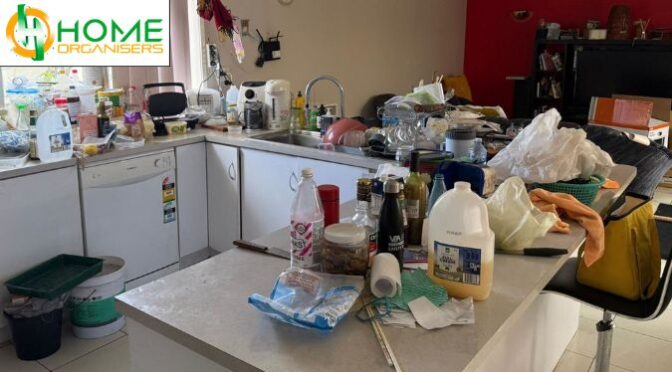
Ignoring hoarding in NDIS households can lead to serious health and safety risks, increased anxiety and depression, family stress, financial problems and even housing instability. Clutter affects more than just space — it impacts wellbeing, independence and long-term NDIS goals. Addressing it early, with compassion and support, protects both people and their homes.
When hoarding becomes part of daily life in an NDIS household, it rarely happens overnight.
It builds slowly. A few extra items here and there. A cupboard that no longer closes properly. A hallway that becomes slightly harder to walk through. A spare room that quietly fills up. Over time, the clutter stops feeling temporary and starts feeling normal.
Because it happens gradually, it can also be easy to ignore.
Families may think it is not that bad. Participants may feel embarrassed and avoid asking for help. Support workers might not want to upset anyone. In the short term, doing nothing can feel like the kinder or easier option.
But the true cost of doing nothing is often much greater than people realise.
Hoarding is not simply about mess. It is not laziness or a lack of cleaning skills. For many people, it is deeply connected to trauma, anxiety, grief, executive functioning challenges or disability-related barriers. Belongings may feel comforting or safe. Making decisions about letting things go can feel overwhelming or frightening.
When the underlying reasons are emotional or neurological, clutter does not resolve on its own. Ignoring it rarely improves the situation. Instead, it slowly compounds. The longer it continues, the greater the hoarding risks become for everyone in the home.
One of the most serious risks is physical health and safety. In many NDIS households, participants already live with mobility challenges or chronic health conditions. When walkways are narrow, when items are stacked along corridors or stairs, and when rooms are overcrowded, the risk of tripping increases significantly. These clutter risks are not minor inconveniences — they can change someone’s life in an instant. A simple fall can lead to broken bones, head injuries or hospital admissions. Recovery can take months and may reduce a person’s independence long term.
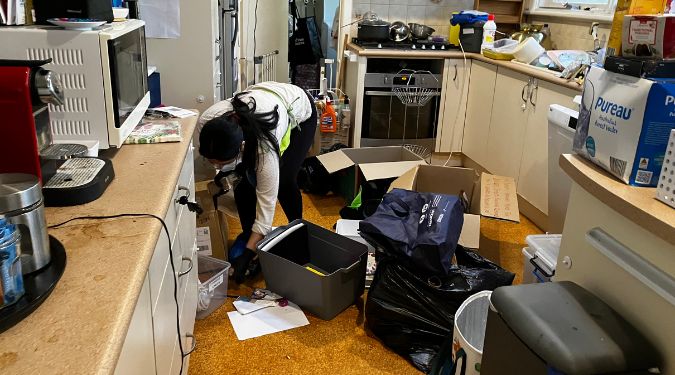
Clutter also increases fire risk. More items in a space mean more material that can catch alight. If exits are blocked or difficult to access, escaping during an emergency becomes far more dangerous. Emergency services may also struggle to move through heavily cluttered areas. What might have been a manageable incident can escalate quickly when pathways are obstructed, directly impacting overall NDIS household safety.
There are hygiene concerns as well. When homes are overcrowded, regular cleaning becomes harder. Dust builds up. Mould can grow unnoticed. Food may expire in hidden corners. Pests may be attracted to cluttered areas. Over time, this can trigger asthma, worsen allergies, cause skin infections or contribute to respiratory issues. These are serious health hazards from hoarding, especially for participants who already manage complex health conditions. Environmental factors like these can significantly impact overall wellbeing.
Beyond physical health, there is the mental and emotional weight of living in constant clutter. When every surface is covered and every room feels full, the brain receives ongoing signals that there is unfinished work everywhere. Even if nothing urgent is happening, the mind feels busy. This constant visual noise can increase stress levels and make concentration difficult. Decision-making becomes harder, especially for individuals who already experience executive functioning challenges.
Anxiety often grows in cluttered environments. Some people describe feeling trapped in their own homes. They may worry about visitors seeing the space or fear that someone will judge them. At the same time, the thought of sorting through belongings can feel unbearable. This creates a cycle. Clutter causes anxiety. Anxiety makes it harder to declutter. Avoidance leads to more accumulation. The situation slowly intensifies, and the emotional side of hoarding risks becomes more visible.
Low mood and depression can also develop or worsen. Natural light may be blocked by stacked items. Rooms may feel darker and smaller. When the home environment feels heavy or chaotic, it can reduce motivation and energy. People may stop inviting friends over. Social isolation increases. Over time, this isolation can deepen feelings of loneliness and shame.
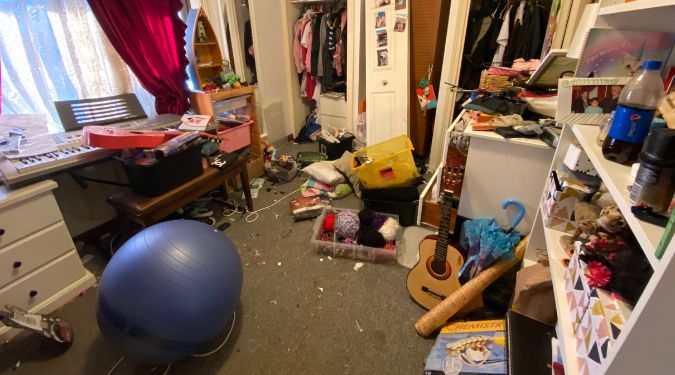
The emotional impact of hoarding is often underestimated. Many participants carry significant shame about their living situation. They may feel guilty for not being able to manage it. They may fear being judged or misunderstood. These emotions are powerful. When the situation is ignored, the shame often grows quietly in the background. Silence can make it worse.
Family relationships can also be affected. Differences in opinion about what to keep and what to let go of can create tension. One person may feel strong emotional attachment to items while another feels overwhelmed and frustrated by the clutter. Small disagreements can become repeated arguments. In households where family members also act as carers, the added stress of navigating unsafe or overcrowded spaces can contribute to burnout. Everyday caregiving tasks become harder and more exhausting when there is limited space to move, further affecting overall NDIS household safety.
Children living in cluttered homes can also feel the impact. They may struggle to concentrate on homework if there is no clear workspace. Sleep may be affected if bedrooms are crowded. They may avoid inviting friends over because they feel embarrassed. Over time, this can influence their social confidence and emotional development.
Productivity and daily functioning often decline as clutter increases. Important items such as medication, keys or NDIS paperwork may be misplaced. Time is lost searching for essentials. Cooking becomes more difficult when benches are covered. Bathrooms become harder to use comfortably. Laundry may pile up because there is no organised system. Tasks that should be simple start to feel overwhelming. These ongoing clutter risks quietly disrupt everyday life.
For participants working towards greater independence, the home environment plays a critical role. When spaces are safe and accessible, daily living skills improve. When spaces are overcrowded and hazardous, those same skills can feel impossible to practise. Therapy and support sessions may be limited by the physical environment. Occupational therapy goals, for example, are harder to achieve when the home does not allow safe movement or structured routines.
There are financial risks as well. Clutter can hide maintenance issues such as leaks or mould growth. Flooring can become damaged. Pests can cause structural problems. Minor issues that could have been addressed early may turn into expensive repairs later. For renters, excessive clutter can breach tenancy agreements. In severe situations, housing instability or eviction may occur. The stress of losing housing can be devastating and disruptive to support arrangements.
The longer hoarding continues, the larger and more complex the situation becomes. What might have been manageable with gradual changes can eventually require urgent intervention. Acting early is usually more emotionally and financially manageable than waiting for a crisis. Reducing hoarding risks early protects health, housing and long-term wellbeing.
It is important to approach this topic with compassion. Forced clean-ups or judgement can cause harm. When people feel attacked or shamed, they often become more protective of their belongings. Trust can break down. Trauma responses may intensify. Addressing hoarding in NDIS households must be respectful, participant-led and trauma-informed. The goal is not perfection. The goal is safety, dignity and improved quality of life.
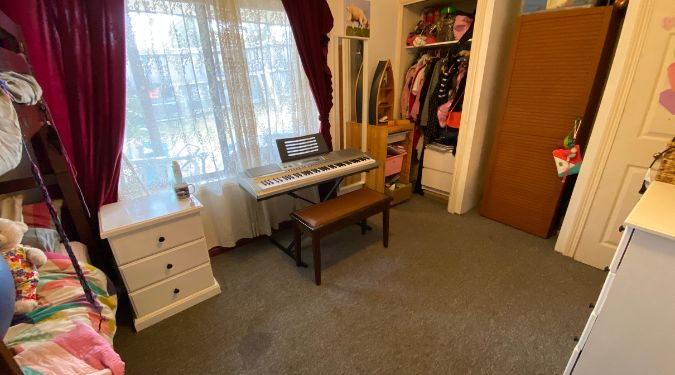
Small steps can make a meaningful difference. Clearing a single walkway can reduce fall risk immediately. Creating one safe sleeping area can improve rest. Removing obvious fire hazards can increase safety. Sorting a small category of items can build confidence. Progress does not need to happen all at once. Gentle, consistent action is often more sustainable than drastic change, especially when reducing health hazards from hoarding.
The home environment plays a powerful role in achieving NDIS goals. Plans are designed to build independence, functional capacity and wellbeing. When the environment supports those goals, participants are more likely to succeed. When the environment creates barriers, progress can stall.
Doing nothing may feel easier in the short term because it avoids discomfort. However, the long-term cost can include declining health, increased anxiety, strained relationships, financial stress and reduced independence. These consequences rarely appear all at once. They build gradually, just like the clutter itself.
A home should be a place of safety and stability. It should support daily living, health and personal growth. When hoarding is left unaddressed, those foundations weaken over time, increasing both emotional strain and practical clutter risks.
Taking action early, with understanding and compassion, protects more than the physical space. It protects wellbeing, relationships and long-term goals. And that makes it worth addressing before the cost of doing nothing becomes too high.
If you or someone you support is struggling with hoarding or unsafe clutter, compassionate help is available.
Call 03 8583 9103, email nancy@homeorganisers.com.au, or visit https://homeorganisers.com.au to learn how we can support a safer, healthier home environment.
Key Takeaways
- Ignoring hoarding in NDIS households increases serious safety and health risks over time.
- Clutter can lead to falls, fire hazards, poor hygiene and worsening medical conditions.
- Hoarding affects mental health, increasing stress, anxiety, shame and social isolation.
- Family relationships and caregiving roles can become strained in overcrowded environments.
- Daily tasks like cooking, cleaning and managing medication become harder in cluttered spaces.
- Children in the household may experience emotional and social impacts.
- Ongoing clutter can cause property damage, financial stress and even housing instability.
- The longer the situation continues, the more complex and overwhelming it becomes.
- Compassionate, trauma-informed support is essential — forced clean-ups can cause harm.
- Small, gradual steps can significantly improve safety, wellbeing and independence.
Case Study 1:
Restoring Safety and Confidence in an Overwhelmed NDIS Household
When “Margaret” (name changed for privacy) was referred for support, her small rental unit had slowly become unsafe. What began as a few extra boxes after downsizing had turned into narrow walkways, stacked newspapers and unopened parcels filling entire corners of the home.
Margaret lived with mobility challenges. She used furniture to steady herself while walking, but the growing clutter made this increasingly dangerous. The clutter risks were immediate. Loose items on the floor created trip hazards. Electrical cords were hidden beneath piles. The kitchen bench was no longer usable, making meal preparation difficult.
Her Support Coordinator raised concerns about NDIS household safety, particularly after Margaret experienced a minor fall. Thankfully, she was not seriously injured — but it was a warning sign.
Beyond physical risk, Margaret’s mental health was declining. She felt embarrassed and avoided inviting her daughter over. She described feeling “stuck” and overwhelmed, unsure where to begin. The emotional weight of the situation was just as heavy as the physical clutter.
A gradual, trauma-informed approach was taken. The first goal was simple: create a clear, safe pathway from the bedroom to the bathroom and front door. Once that was achieved, attention shifted to the kitchen and removing obvious health hazards from hoarding, including expired food and built-up dust behind appliances.
Over several weeks, the environment transformed. Natural light returned. Surfaces became usable again. Margaret began cooking simple meals independently, something she had stopped doing months earlier.
By addressing the growing hoarding risks early, the team not only improved physical safety but also restored confidence. Margaret reported sleeping better and feeling less anxious. Her daughter began visiting again. The home became a safe space rather than a source of stress.
The most significant change was not just the cleared space — it was the renewed sense of control and dignity.
Case Study 2:
Preventing Eviction Through Early Intervention in a High-Risk Hoarding Situation
“Daniel” (name changed) lived alone in a two-bedroom rental property. Over time, he accumulated furniture, electronics and household goods, many still in original packaging. He struggled with executive functioning challenges and found decision-making extremely difficult.
A routine property inspection revealed significant concerns. Rooms were overcrowded. Windows were blocked. There were visible signs of mould in the bathroom. The landlord issued a warning notice.
At this stage, the hoarding risks extended beyond personal wellbeing. Daniel’s housing stability was under threat.
The property manager cited blocked exits and excessive accumulation as safety concerns. Fire risk was high due to paper storage near heaters. These clutter risks created serious issues for overall NDIS household safety.
Daniel felt panicked when he received the notice. He feared losing his home but also feared losing his belongings. The situation had escalated because doing nothing had felt easier for years.
A structured plan was developed, prioritising immediate hazards. Clear access to exits was restored first. Large volumes of cardboard were removed to reduce fire risk. Damaged and mould-affected items were safely disposed of, addressing immediate health hazards from hoarding.
The work was done collaboratively. Daniel was involved in every decision. Items with strong sentimental value were carefully organised rather than discarded.
Over several days, the visible transformation was significant. The property passed a follow-up inspection. Most importantly, Daniel kept his tenancy.
In the months that followed, he continued working on maintaining the space. With clearer rooms and safer walkways, he reported improved focus and lower anxiety levels. He began engaging more consistently with his support services, something that had previously been inconsistent due to embarrassment about his living conditions.
This case highlights how early action reduces long-term damage. By addressing clutter risks before they became irreversible, Daniel avoided eviction, reduced stress and regained a sense of stability.
Frequently Asked Questions – Hoarding Risks in NDIS Households
- I feel embarrassed about how my home looks — can Home Organisers really help without judging me?
Yes. Many people feel shame before reaching out, but our team understands that hoarding and clutter are often linked to trauma, health conditions or life challenges. We approach every home with compassion, patience and respect. There is no judgement — only practical support to help you feel safe and comfortable again.
- What happens during an NDIS-funded hoarding clean-up service?
We begin with a gentle, respectful conversation about your goals. From there, our team works alongside you to sort, declutter and remove unwanted items at a pace that feels manageable. We can also provide deep cleaning, rubbish removal and organising support so your space becomes safer and easier to maintain.
- Can you work with my Support Coordinator or Occupational Therapist?
Absolutely. We regularly collaborate with Support Coordinators and allied health professionals to ensure the home environment supports your NDIS goals. Clear communication and shared planning help create safer, more functional spaces that align with therapy and capacity-building outcomes.
- How quickly can help be arranged if the situation feels urgent?
We understand that some situations involve immediate safety risks. Our teams can often be mobilised within a week, depending on the level of support required. Larger teams can be arranged when necessary to address high-risk environments safely and efficiently.
- I’m scared of everything being thrown away — do I get a say in what stays?
Yes, always. You remain in control of decisions about your belongings. Our role is to guide and support, not to force. We help you prioritise safety while respecting emotional attachments and personal boundaries.
- What if the clutter has become a health hazard in my home?
If dust, mould, pests or waste have built up, we provide more than just decluttering. Our service includes deep cleaning, rubbish removal, carpet steam cleaning and pressure washing when needed. The goal is to restore hygiene, safety and comfort.
- Can this service help me keep my rental property and avoid eviction?
Yes. If clutter is placing your tenancy at risk, early intervention can make a significant difference. By reducing hazards and restoring safe living conditions, we help protect housing stability and reduce the stress of potential tenancy breaches.
- Is this service covered under the NDIS?
If decluttering or hoarding support aligns with your NDIS goals around safety, independence or daily living, it may be funded under your plan. We are NDIS registered and provide direct invoicing, making the process straightforward and transparent.
- What if I feel too overwhelmed to start?
Feeling overwhelmed is very common. We break the process into small, manageable steps. Even clearing one walkway or one room can create relief and momentum. You do not have to face the entire house at once.
- How will I feel once the clutter is reduced?
Many participants describe feeling lighter, calmer and more hopeful. Improved space can mean better sleep, safer movement, clearer thinking and renewed confidence. A safe, organised home often becomes the foundation for achieving bigger life goals.
