

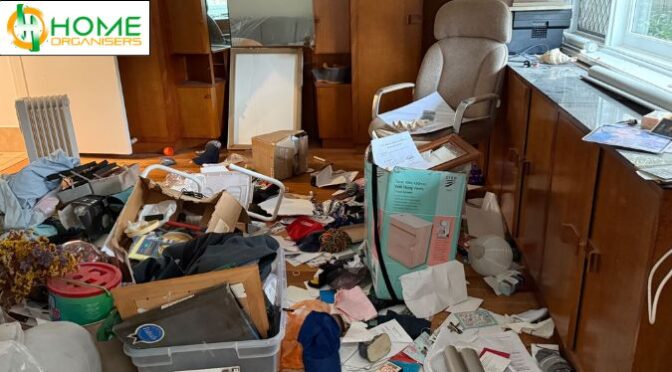
NDIS support at home is not just about having a tidy house. Decluttering, cleaning and practical home help can make a home safer, calmer and easier to live in. It can reduce stress, improve health, support independence, help families and carers, and make daily routines more manageable. With respectful, non-judgemental support, participants can create a home that better supports their wellbeing, goals and everyday life.
Home should be a place where you feel safe, calm and able to do the things that matter to you. But when clutter, mess or unfinished jobs build up, home can start to feel stressful instead of supportive.
For many NDIS participants, help at home is not just about making a room look neat. It can support health, safety, confidence, independence, relationships and day-to-day routines. A clearer home can make it easier to cook, shower, rest, move around, welcome support workers, find important items and feel more in control.
Decluttering, cleaning and practical home help may sound simple, but they can make a big difference.
What does NDIS support at home mean?
NDIS support at home can include different types of practical help, depending on a person’s goals, needs and plan. For some people, it may mean help with decluttering a bedroom, kitchen or living area, including NDIS decluttering services. For others, it may include NDIS cleaning services, deep cleaning, rubbish removal, laundry support, packing and unpacking, organising cupboards, or setting up simple systems that are easier to maintain.
The goal is not perfection. The goal is a home that works better for the person living in it.
A useful home support service should be respectful, patient and non-judgemental. Many people feel embarrassed about clutter or cleaning challenges, but there are many reasons a home can become difficult to manage. Disability, illness, pain, grief, trauma, mental health challenges, caring responsibilities and life changes can all affect someone’s ability to keep up with daily tasks.
Needing help does not mean someone has failed. It means they may need practical support that matches their real life.
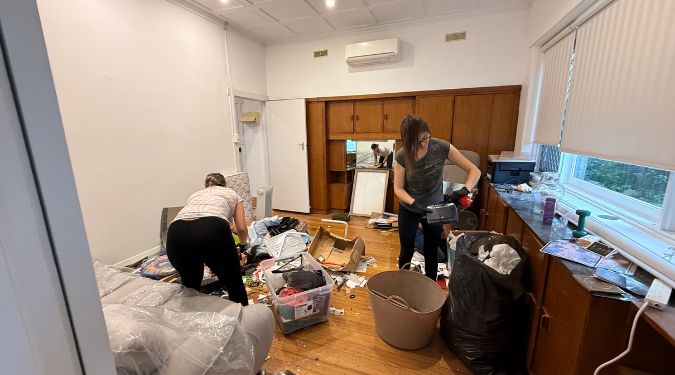
Why clutter can affect health and safety
Clutter is not just “stuff”. It can create real safety risks.
Items on the floor can become trip hazards. Crowded hallways can make it harder to use mobility aids. A full kitchen bench can make meal preparation difficult. A bathroom that is hard to clean can affect hygiene. Piles of belongings can collect dust, mould or pests. In more serious cases, clutter can block exits or make it hard for emergency services to enter.
For people with disability, these risks may be even greater. A small obstacle may not be a problem for one person, but it may be dangerous for someone with limited mobility, low vision, balance issues, fatigue or chronic pain.
Decluttering can help create clearer walking paths, safer bedrooms, easier access to bathrooms, and more usable kitchens and living areas. Professional home organising often focuses on creating practical systems and improving the way a space functions, not just making it look tidy. Home Organisers describes decluttering and organising as a thoughtful, methodical process that can help create a more functional home.
The mental load of a messy home
A cluttered home can be tiring before you even start cleaning it.
You may look around and think, “Where do I begin?” That thought alone can feel heavy. Every pile becomes a decision. Every drawer becomes a task. Every unfinished job becomes a reminder of something you have not done yet.
This can affect focus, sleep, motivation and mood. It can also make small tasks feel much harder. Looking for keys, medication, paperwork, clean clothes or phone chargers every day can drain energy.
A clearer home can reduce this mental load. When important items have a place, your brain does not have to work as hard. You can spend less time searching and more time doing what matters.
This does not mean every home needs to look like a magazine. A lived-in home is normal. The aim is to reduce stress and make daily life easier.
Emotional support matters too
Decluttering can bring up strong feelings.
Some belongings hold memories. Some items may be linked to grief, family, identity or past experiences. Some people keep things because they are afraid they might need them later. Others may feel shame, anxiety or sadness when facing a room that has become overwhelming.
This is why the way decluttering is done matters.
A rushed or forceful approach can make things worse. A calm, respectful approach can help someone feel safe and in control. Good support allows the person to make choices wherever possible. It also recognises that letting go of items can be emotional, especially when there is trauma, hoarding behaviour, grief or major life change involved.
The question should not be, “Why did you keep all this?” A better question is, “What would make this space easier and safer for you?”
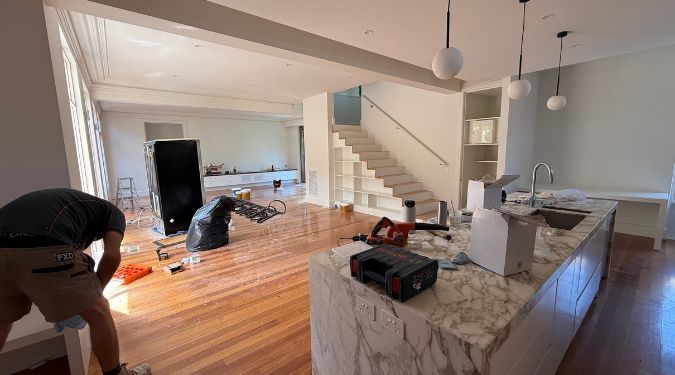
How cleaning supports wellbeing
Cleaning is not only about appearance. It can support physical and emotional wellbeing.
A clean bathroom can make personal care feel easier. A clean kitchen can make cooking safer. Fresh bedding can improve comfort. Clean floors can reduce dust and trip hazards. Laundry support can help people feel more prepared for appointments, work, study, family visits or community activities.
For some NDIS participants, regular cleaning may help maintain routines. For others, a one-off deep clean may be needed after illness, hospital stays, mental health challenges or a period of overwhelm. This kind of deep cleaning for NDIS can help reset the home and make it easier to maintain afterwards.
Deep cleaning can also support dignity. Everyone deserves to live in a home that feels healthy and comfortable.
The family angle: reducing stress at home
When a home becomes hard to manage, it can affect the whole family.
Family members may try to help, but this can sometimes lead to tension. One person may want to throw things away quickly. Another person may feel upset or pressured. Parents, partners, adult children or carers may become tired from trying to manage everything themselves.
Practical home support can reduce pressure on families. It can create a calmer process, with someone outside the family helping to plan, sort and complete tasks. This can make it easier for family members to focus on care, connection and emotional support, rather than arguments about clutter or cleaning.
For carers, an organised home can also reduce burnout. When supplies, clothing, paperwork and daily items are easier to find, care tasks can become smoother. Home Organisers’ own resources note that home organising support can reduce decision fatigue and help carers manage daily tasks more effectively.
Productivity and daily routines
A well-organised home saves time.
Think about how much time can be lost searching for things: medication, forms, shoes, keys, chargers, support worker notes, meal ingredients or clean clothes. When items have a clear home, daily routines become easier.
This can support many parts of life, such as:
- getting ready for appointments
- preparing meals
- taking medication on time
- doing laundry
- managing paperwork
- keeping track of bills
- working or studying from home
- joining online appointments
- preparing for support visits
For people who experience fatigue, pain, ADHD, anxiety, depression or cognitive challenges, simple systems are especially important. The easier the system, the more likely it is to work.
For example, instead of creating a complicated filing system, it may be better to have one labelled folder for NDIS paperwork, one for medical letters and one for bills. Instead of folding every item perfectly, it may be better to use baskets for clean clothes, towels and bedding.
Good organising should fit the person. The person should not have to fit the organising system.
Mood and confidence
The state of a home can affect how a person feels about themselves.
When a home feels out of control, a person may feel embarrassed, stuck or defeated. They may avoid inviting people over. They may cancel support visits. They may feel nervous about inspections, family visits or care appointments.
After decluttering or cleaning, many people feel lighter. They may feel proud, relieved or more hopeful. Even one clear table, one clean bathroom or one organised wardrobe can create a sense of progress.
Small wins matter.
A person does not need to transform the whole home in one day. Starting with one useful area can make a big difference. This might be the bed, the shower, the kitchen sink, the entryway or a favourite chair.
Confidence often grows when people can see and feel change around them.
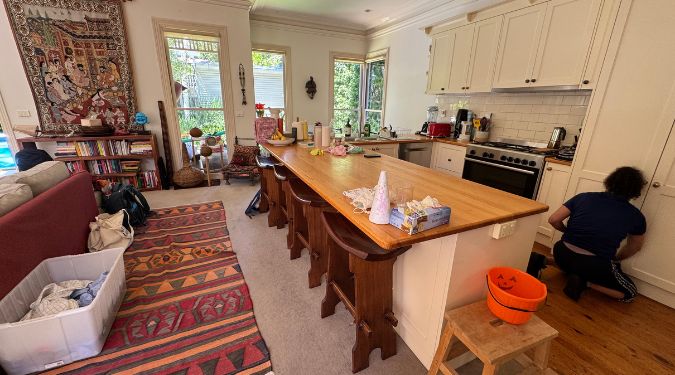
Financial and “wealth” benefits
Decluttering can also help with money.
When items are lost in clutter, people may buy the same thing again. They may replace items they already own but cannot find. Bills may be missed. Important documents may be misplaced. Food may expire because the fridge or pantry is too full to see what is there.
An organised home can help reduce waste. It can make it easier to use what you already have. It can also help people keep track of paperwork, receipts, warranties, invoices and NDIS-related documents, especially when supports include direct NDIS invoicing.
Sometimes decluttering may uncover items that can be sold, donated or reused. Not everything needs to go to landfill. Some items may support others in the community.
There is also another kind of wealth: time and energy. When the home works better, people may have more energy for rest, family, hobbies, therapy, work, study or community access.
Supporting independence
One of the most important parts of NDIS support is helping people build or maintain independence.
This does not mean doing everything alone. It means having the right support to live with more choice and control.
For example, a participant may not be able to deep clean the whole kitchen, but with support, they may be able to keep one bench clear for making breakfast. They may not be able to organise the entire wardrobe, but they may be able to choose a simple clothing system that helps them get dressed more easily. They may not be able to manage all household tasks, but they may be able to follow a weekly routine with the right setup.
Support should make life easier, not take over unnecessarily.
Working with support coordinators and allied health professionals
Decluttering and cleaning support can work well alongside other NDIS supports.
Support coordinators may help identify suitable services and connect the participant with providers. Occupational therapists may look at how the home setup affects safety, mobility, routines and daily living skills. Psychologists, mental health workers or behaviour support practitioners may also be involved when clutter is linked with anxiety, trauma, hoarding behaviours or other complex needs.
When everyone works together, support can be more effective.
For example, an occupational therapist may recommend clearer pathways, safer storage, or changes to how items are placed in the kitchen or bathroom. A decluttering and cleaning team can then help make those practical changes happen.
This teamwork can turn a written recommendation into a real-life improvement at home.
Why “one size fits all” does not work
Every person’s home is different. Every person’s needs are different.
Some people want help sorting years of belongings. Some need a deep clean before returning home from hospital. Some need support setting up a new home. Some need help after moving. Some need regular cleaning because pain or fatigue makes it hard to keep up. Some need household support Melbourne families and participants can rely on. Some need a large team because the job is urgent or complex.
A good service should listen first. It should ask what matters to the participant. It should consider safety, privacy, emotional comfort and practical goals.
The best plan is often simple and realistic. For example:
- clear the safest walking path first
- remove rubbish before organising belongings
- clean the bathroom before sorting storage boxes
- set up daily-use items at easy reach
- create labels or zones that are easy to understand
- organise paperwork into broad, simple categories
- schedule regular maintenance support if needed
Small steps can create big changes over time.
What practical help can look like
Practical home support may include many tasks, such as decluttering, hoarding cleanup, deep cleaning, rubbish removal, laundry, organising wardrobes, sorting kitchens, packing and unpacking, carpet steam cleaning, pressure washing and setting up storage systems.
The most useful support often combines several tasks. For example, decluttering a bedroom may also involve rubbish removal support, laundry, vacuuming, changing bedding and organising clothes. Cleaning a kitchen may also involve sorting expired food, clearing benches, wiping cupboards and creating a simple pantry system.
This is why a coordinated approach can be helpful. When one team can manage several practical tasks, the process may feel less confusing for the participant and their support network.
Keeping the home easier to manage
Decluttering is not just about removing things. It is about making the home easier to maintain afterwards.
A simple system is better than a perfect system that no one can keep up with.
Here are some examples:
Put everyday items where they are easy to reach. Store heavy items lower down. Keep medication, keys and important documents in clear, consistent places. Use open baskets if lids are too hard to manage. Label shelves, drawers or tubs. Keep cleaning products together. Make a donation box available. Use a laundry basket in the place where clothes usually pile up.
The best systems are the ones people can actually use on a hard day.
When the situation feels overwhelming
Some homes need more than a light tidy. There may be heavy clutter, strong odours, pests, mould, rubbish build-up, blocked rooms or emotional distress. In these situations, it is important to get the right help.
Large jobs may need a trained team, protective equipment, rubbish removal, deep cleaning and careful planning. They may also need emotional support and clear communication with the participant, family, support coordinator or allied health team.
No one should be shamed for needing this kind of help. Homes can become overwhelming for many reasons, and recovery often starts with one safe, respectful step.
The bigger picture: home as a foundation
A safe and organised home can support many NDIS goals.
It can help a person rest better, eat better, move more safely, manage appointments, take part in therapy, welcome support workers, connect with family, and feel more comfortable in their own space.
It can also support dignity. A person should not have to feel embarrassed about their home. They should be able to live in a space that supports their body, mind and daily needs.
Decluttering, cleaning and practical help are not small things. They are often the foundation that makes other supports easier.
Choosing the right kind of support
Choosing a home organisation provider is not only about who can clean the fastest. It is about finding support that is respectful, careful, safe and practical.
The right provider should understand that every home has a story. They should listen, explain the process clearly, protect privacy and work at a pace that suits the participant as much as possible. They should also understand that home assistance for participants may involve physical, emotional and practical needs at the same time.
Good support is not about judgement. It is about helping a person feel safer, calmer and more able to manage daily life.
Final thoughts
NDIS support at home is about more than cleaning up. It is about creating a home that feels safer, calmer and easier to live in.
Decluttering can reduce hazards and mental stress. Cleaning can support health and comfort. Organising can save time, energy and money. Practical support can reduce pressure on families and carers. Most importantly, the right support can help people feel more in control of their daily lives.
A home does not need to be perfect to be supportive. It just needs to work better for the person living there.
With patient, respectful and practical help, even overwhelming spaces can become more manageable, one step at a time.
Need respectful NDIS home support?
Call Home Organisers on 03 8583 9103, email nancy@homeorganisers.com.au, or visit https://homeorganisers.com.au to learn how practical decluttering, cleaning and home organisation support can help create a safer, calmer home.
Key Takeaways
- NDIS support at home can help make daily life safer, calmer and easier to manage.
- Decluttering is not just about removing items. It can reduce trip hazards, improve access and support independence.
- NDIS cleaning services can support better hygiene, comfort, dignity and overall wellbeing.
- A clear and organised home can reduce stress, improve mood and make everyday routines feel less overwhelming.
- Practical home support can help families, carers, support coordinators and allied health professionals work together more effectively.
- Simple systems are often the best systems, especially for people managing fatigue, pain, disability, anxiety or mental health challenges.
- Home support should always be respectful, patient, non-judgemental and tailored to the participant’s needs.
- A home does not need to be perfect. It just needs to work better for the person living there.
Case Study 1:
Creating a Safer, Calmer Home for an NDIS Participant Living Alone
Background
Maria is an NDIS participant living alone in Melbourne. Over time, her home had become harder to manage due to fatigue, anxiety and reduced mobility. She found it difficult to keep up with cleaning, laundry and sorting household items.
Her kitchen bench was often covered with paperwork, unopened mail and household items. The hallway had boxes and bags along one side, which made it harder for her to move safely through the home. Her bedroom had clean and unclean laundry mixed together, making it stressful to get ready for appointments.
Maria did not want a “perfect” home. She simply wanted her home to feel safer, calmer and easier to use.
The Challenge
Maria felt embarrassed about asking for help. She worried that people would judge her or pressure her to throw away things she was not ready to let go of.
Her main concerns were:
- Feeling overwhelmed every time she looked around the home
- Not knowing where to start
- Difficulty finding important NDIS and medical paperwork
- Laundry piling up
- Limited clear space in the kitchen
- Fear of tripping in the hallway
- Feeling too anxious to invite support workers inside
Maria needed NDIS support at home that was practical, respectful and paced around her comfort level.
The Support Provided
A trauma-informed approach was used, focusing first on safety and function rather than appearance.
The support included NDIS decluttering services, NDIS cleaning services and practical home help. The first priority was to create clear pathways through the hallway and bedroom so Maria could move around more safely.
Next, the kitchen bench was cleared and sorted into simple categories: paperwork, daily-use items, rubbish and items to relocate. Important documents were placed into labelled folders so Maria could find them more easily.
Laundry was also sorted into manageable groups. Clean clothes were placed in easy-to-reach baskets, while towels and bedding were stored separately. This simple system helped Maria avoid feeling overwhelmed by folding and sorting everything perfectly.
The support team also provided light rubbish removal support for unwanted packaging, broken items and general waste. Nothing sentimental was removed without Maria’s clear agreement.
The Outcome
After the support, Maria’s home felt more manageable. She had a clear hallway, a safer bedroom and a kitchen bench she could use again.
She said the biggest difference was not just how the home looked, but how it felt. She felt less anxious walking through the house and more confident having support workers visit.
The simple organising systems also helped Maria maintain parts of the home between visits. She could place mail in one folder, laundry in clear baskets and daily-use items in predictable places.
Key Improvements
- Safer movement through the home
- Reduced trip hazards
- Easier access to paperwork
- Less stress around laundry
- More usable kitchen space
- Improved confidence and mood
- Better preparation for appointments and support visits
Why This Matters
This case shows that home assistance for participants does not need to be rushed or overwhelming. Small, thoughtful changes can support safety, independence and emotional wellbeing.
For Maria, the goal was not perfection. The goal was a home that worked better for her daily life.
Case Study 2:
Supporting a Family After a Home Became Overwhelming
Background
David is an NDIS participant who lives with his ageing mother in Melbourne. After a long period of illness and several hospital visits, household tasks became harder to manage. Cleaning, laundry, rubbish removal and general organisation slowly built up.
David’s mother tried to keep up, but she was also becoming tired and stressed. Their support coordinator noticed that the home environment was starting to affect David’s daily routine, mood and ability to safely access parts of the house.
The family needed household support Melbourne participants and carers could rely on, with a calm and non-judgemental approach.
The Challenge
The home had several areas that needed attention. The bathroom required a deeper clean, the laundry had become difficult to manage, and the spare room had become a storage area for boxes, old household items and unused equipment.
David’s mother felt guilty that she could not do everything herself. David felt frustrated because he wanted more independence but struggled to find what he needed each day.
Their main concerns included:
- Difficulty keeping the bathroom clean
- Rubbish and unwanted items building up
- Too much clutter in the spare room
- Limited space for support equipment
- Stress between family members
- Missed bills and misplaced documents
- Feeling embarrassed about asking for outside help
They needed a home organisation provider who could support both the practical and emotional sides of the situation.
The Support Provided
The first step was to identify the most important areas for safety and daily function. The bathroom, laundry and spare room were prioritised.
The team provided deep cleaning for NDIS, focusing on the bathroom and high-use areas. This helped improve hygiene, comfort and dignity for David and reduced pressure on his mother.
Next, the spare room was sorted carefully. Items were grouped into keep, donate, rubbish and unsure categories. David and his mother were given time to make decisions, especially about items connected to family memories.
The team also provided rubbish removal support for broken, damaged and unwanted items. This created more space for David’s support equipment and made the room easier to access.
In the laundry, a simple system was created using separate baskets for clothing, towels and bedding. This made it easier for both David and his mother to manage washing without feeling overwhelmed.
Paperwork was placed into labelled folders, including NDIS documents, medical letters and household bills. This helped reduce the stress of searching for important information.
Where appropriate, the service also supported direct NDIS invoicing, helping reduce extra administrative pressure for the family.
The Outcome
The home became safer, cleaner and easier to move through. David had more space for his equipment, and his mother felt less burdened by the daily household load.
The family also noticed an emotional shift. There were fewer arguments about mess, and David felt more comfortable having support workers in the home.
The bathroom felt fresher and safer to use. The laundry system made daily routines easier. The spare room became functional again instead of being a source of stress.
Key Improvements
- Cleaner and safer bathroom
- Reduced rubbish and clutter
- More space for support equipment
- Less pressure on David’s mother
- Easier laundry routine
- Better paperwork organisation
- Improved family mood and communication
- More confidence welcoming support workers into the home
Why This Matters
This case shows how practical support can help the whole household, not just one person. When a home becomes overwhelming, family members and carers often carry a heavy emotional and physical load.
With the right NDIS cleaning services, decluttering support and home organisation, the home can become easier to manage and more supportive of daily life.
For David and his mother, the biggest benefit was not just a cleaner home. It was feeling less stressed, more supported
FAQ: What Home Support Services Does NDIS Cover for Decluttering and Cleaning?
- What if I feel embarrassed about needing NDIS decluttering or cleaning support at home?
You are not alone. Many people feel embarrassed when their home has become hard to manage, but needing help does not mean you have failed. Home support should always be respectful, private and non-judgemental, with a focus on making your home safer, calmer and easier to live in.
- Can NDIS support at home help if my house feels too overwhelming to even start?
Yes. When a home feels overwhelming, the first step is often simply choosing one safe and useful place to begin. This might be a hallway, bathroom, kitchen bench, bedroom or laundry area. The goal is not to fix everything at once, but to create steady progress in a way that feels manageable.
- How can decluttering help an NDIS participant feel more independent?
Decluttering can make it easier to move around, find important items, prepare meals, get dressed, manage paperwork and use support equipment safely. When the home is easier to use, daily tasks can feel less stressful and participants may have more choice and control in their routine.
- Is NDIS cleaning support only for people with very messy homes?
No. NDIS cleaning support can be helpful in many situations. Some participants need regular help to maintain their home, while others may need a one-off deep clean after illness, hospital stays, mental health challenges, moving house or a difficult period.
- What if I want help cleaning but I am not ready to throw things away?
That is completely understandable. Decluttering support should not mean forcing someone to get rid of belongings. A respectful approach starts with safety, comfort and choice. Sometimes the first step is simply sorting, grouping, cleaning around important items, or creating clearer access through the home.
- Can practical home help support my mental health and mood?
Yes. A cluttered or unclean home can add stress, shame, anxiety and decision fatigue. Practical help with cleaning, laundry, rubbish removal and organising can reduce pressure and help the home feel calmer. Even small changes, like a clear bed or clean bathroom, can make a meaningful difference.
- How can home organisation help families and carers?
When a home is easier to move through and manage, family members and carers often feel less pressure. Organised supplies, clearer pathways, easier laundry systems and accessible daily items can make care routines smoother and reduce tension around household tasks.
- Can Home Organisers help with rubbish removal as part of NDIS home support?
Yes. Rubbish removal support can be part of practical home assistance when clutter, waste or unwanted items are making the home harder to use. This can be especially helpful when combined with decluttering, deep cleaning, laundry support or home organisation.
- What kind of NDIS home support is useful after hospital, illness or a difficult life event?
After hospital, illness or a stressful life event, participants may need help resetting the home. This could include deep cleaning, changing bedding, laundry, clearing walkways, removing rubbish, organising essential items and making key areas like the bathroom, bedroom and kitchen easier to use.
- How do I know what type of decluttering or cleaning support is right for me?
The right support depends on your home, goals, health, safety needs and daily routine. Some people need regular cleaning, while others need a larger decluttering or deep cleaning session. A helpful starting point is to think about which part of the home is causing the most stress or making daily life harder.
