

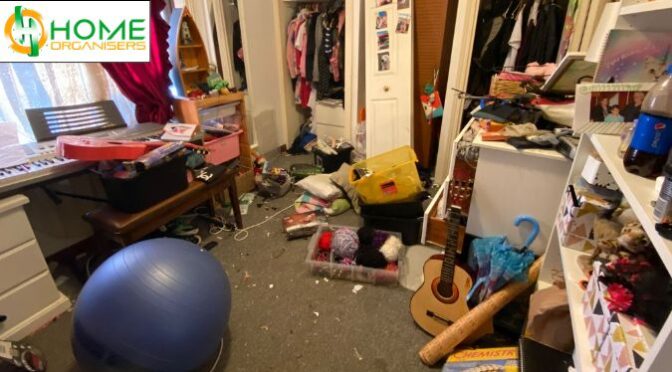
Feeling overwhelmed at home is not just about clutter—it affects your health, mood, relationships, and daily life. With the right support, small, practical changes can turn a stressful space into one that feels calm, safe, and easy to manage. Services like home organisers Melbourne families trust, including Home Organisers, help by working alongside individuals to create simple systems that suit their needs. The result is more than a tidy home—it is better wellbeing, greater independence, and a renewed sense of control.
Feeling overwhelmed at home is something many people quietly experience. It does not usually happen overnight. It can begin with a busy period, a health challenge, a change in routine, or simply not having enough time or energy to keep up with daily tasks. Slowly, things build up. Spaces become harder to use. Everyday life starts to feel heavier.
Before long, your home may stop feeling like a place to rest. Instead, it becomes a source of stress.
The good news is that this situation can change. With the right kind of support, including being overwhelmed by clutter help, it is possible to move from feeling overwhelmed to feeling calm, capable, and in control again. Services like Home Organisers are designed to help people do exactly that—by offering practical, respectful, and personalised support in the home.
This journey is not just about cleaning or tidying. It touches every part of life—your health, your emotions, your relationships, your productivity, and your overall wellbeing.
Understanding Why Overwhelm Happens
It is easy to think that clutter is simply about having “too much stuff,” but in reality, it is often connected to life circumstances.
For example:
- A person recovering from surgery may not have the strength to keep up with housework
- Someone living with disability may find certain tasks physically difficult
- A busy parent may not have time to reset the home each day
- Emotional stress or mental health challenges can make decision-making harder
Even small interruptions to routine can lead to things piling up. Once that happens, it can feel difficult to know where to begin.
This is where many people feel stuck—not because they are unwilling, but because the task feels too big.
The Physical Health Benefits of an Organised Home
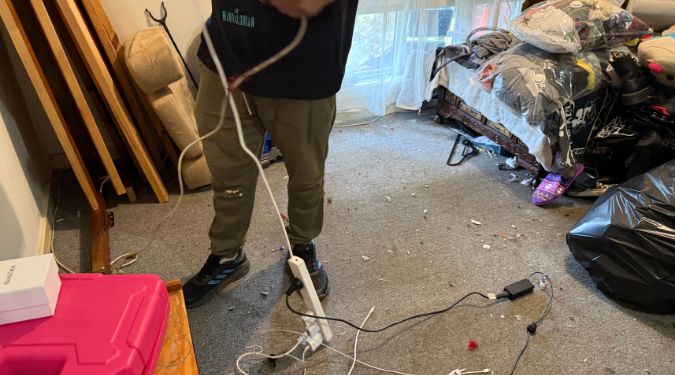
One of the most immediate impacts of clutter is on physical safety and health.
When items are left on the floor or spaces become overcrowded, the risk of trips and falls increases. This can be especially dangerous for older adults or people with mobility challenges. Something as simple as a clear walkway can significantly reduce this risk.
Cleanliness is another important factor. When surfaces are cluttered, they are harder to clean. Dust, allergens, and bacteria can build up over time. In more serious situations, clutter can even lead to mould or pest issues.
Home organisers help address these risks by:
- Clearing pathways and making movement easier
- Creating accessible storage so items are not left out
- Supporting deep cleaning to reset the space
These changes make the home safer and healthier to live in.
Mental Clarity: Creating Space for Your Mind
Your environment has a strong effect on how your brain functions.
When a space is cluttered, your brain is constantly processing visual information. Even if you are not paying attention to it directly, it can make you feel distracted and mentally tired.
This can lead to:
- Difficulty concentrating
- Feeling overwhelmed by simple tasks
- Procrastination or avoidance
When a home is organised, something shifts. The space feels calmer. There is less visual noise. It becomes easier to think clearly and focus on what matters.
Professional organisers understand this. They aim to simplify spaces so that your mind can rest. By giving everything a clear place and reducing unnecessary items, they help lower the mental load.
Emotional Wellbeing: Letting Go Without Pressure
Clutter is not just physical—it is often emotional.
Many items carry meaning. They may be connected to memories, relationships, or past experiences. Letting go of them can feel difficult, even when you know it would help.
There can also be feelings of guilt:
- “I should not waste this”
- “Someone gave this to me”
- “I might need this one day”
Because of this, decluttering is not just a practical task—it is an emotional process.
This is why a compassionate approach matters. Home organisers do not rush or pressure decisions. They work alongside individuals, offering support and understanding.
Over time, as the space becomes more manageable, many people feel a sense of relief. That relief often turns into calm, and eventually, confidence.
Supporting Families and Reducing Tension
A cluttered home can affect everyone who lives in it.
Family members may feel frustrated if they cannot find things or if spaces are difficult to use. There may be disagreements about what to keep or how to organise.
This can create tension over time.
An organised home helps reduce this stress. When systems are clear and practical:
- Everyone knows where things belong
- Daily routines run more smoothly
- There is less pressure on any one person
It also creates more space for positive moments—whether that is sharing a meal, relaxing together, or simply enjoying a calm environment.
Productivity: Making Daily Life Easier
When your home is organised, everyday tasks become simpler.
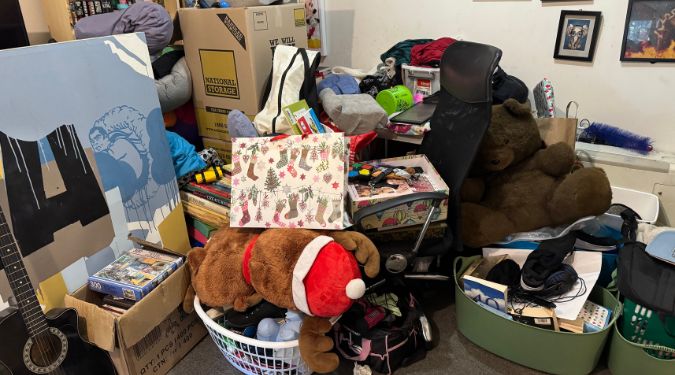
Think about how often time is lost searching for items—keys, documents, clothing, or kitchen tools. These small delays can add up and make the day feel more stressful.
With better organisation:
- Items are easy to find
- Tasks take less time
- Routines become more consistent
This can make a big difference, especially for people balancing work, caregiving, or health needs.
A well-organised home supports productivity by removing unnecessary obstacles.
Mood and Energy: How Your Space Affects You
Your surroundings influence how you feel more than you might realise.
A cluttered space can feel heavy and draining. It can affect your energy levels and even your motivation.
On the other hand, a clear and organised space can feel light and calming. It becomes easier to relax, recharge, and feel at ease.
Even small changes—like a tidy kitchen bench or a clear bedside table—can improve your mood.
Home organisers focus on creating spaces that feel good to live in, not just spaces that look neat.
Financial Benefits: Saving Time and Money
The organisation can also support financial wellbeing.
When your home is disorganised, it is easy to lose track of what you own. This can lead to buying duplicate items or forgetting about things you already have.
An organised home helps you:
- Keep track of belongings
- Manage bills and paperwork more easily
- Avoid unnecessary spending
It can also help you take better care of your items, so they last longer.
In this way, the organisation supports a more mindful approach to spending and saving.
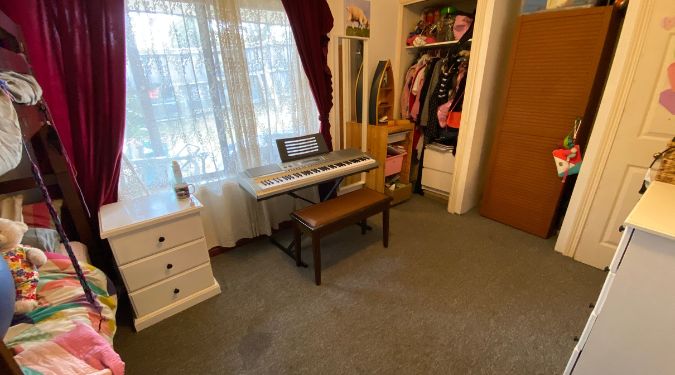
A Day in the Life: Before and After Support
To understand the impact, it helps to imagine a simple scenario.
Before support:
A person wakes up in a cluttered bedroom. Clothes are piled on a chair. It takes time to find something to wear. The kitchen bench is crowded, making breakfast difficult. Important papers are misplaced, adding stress to the day.
After support:
The same person wakes up in a calm space. Clothes are organised and easy to access. The kitchen is clear and functional. Papers are stored in a simple system. The morning feels smoother and less stressful.
These changes may seem small, but they add up. They create a sense of ease that carries through the entire day.
How the Process Works
Working with professional organisers is a collaborative process.
It often includes:
- Understanding the person’s needs and goals
- Sorting and decluttering items together
- Creating simple, practical storage systems
- Resetting the space with decluttering and cleaning services and organisation
- Building routines to maintain the changes
Importantly, everything is tailored. There is no one “right” way to organise a home. The goal is to create systems that work for the individual.
Building Long-Term Habits
One of the most valuable parts of this process is learning how to maintain it.
Instead of creating complicated systems, organisers focus on simplicity. This might include:
- Keeping frequently used items within easy reach
- Limiting storage to what is manageable
- Creating small daily habits
Over time, these habits become part of everyday life. The home stays functional, and the feeling of overwhelm does not return.
For NDIS Participants: Supporting Independence
For people accessing the NDIS, an organised home can have a powerful impact through NDIS support at home.
It can make daily tasks more accessible, such as:
- Cooking meals
- Getting dressed
- Cleaning and maintaining the home
This supports greater independence and confidence.
It also improves safety, which is essential for long-term wellbeing.
With tailored services, NDIS household assistance, and direct invoicing, support becomes easier to access and manage.
The Importance of Compassionate Support
Many people feel hesitant to ask for help. They may feel embarrassed or worried about being judged.
This is why compassion is so important.
A supportive team understands that every situation is different. They approach each home with respect, patience, and care.
They work alongside individuals—not to take over, but to support and guide.
This creates a safe environment where people feel comfortable making changes with compassionate home organisers and practical support services.
A Home That Works for You
At the end of the day, the goal is not perfection. It is creating a home that supports your life.
A home where:
- You can move safely
- You can find what you need
- You can complete daily tasks with ease
- You feel calm and comfortable
These changes improve not just the home, but the overall quality of life, especially when people need home support for disability, one stop home support, or home transformation services.
Final Thoughts
Moving from overwhelmed to supported is a journey. It does not happen all at once, and it does not need to.
With the right support, small steps lead to meaningful change.
An organised home supports better health, clearer thinking, stronger relationships, improved productivity, and a greater sense of wellbeing.
Most importantly, it helps people feel at ease in their own space again.
And that is something everyone deserves.
Need support at home? Contact Home Organisers today.
Call 03 8583 9103, email nancy@homeorganisers.com.au, or visit https://homeorganisers.com.au.
Key Takeaways
- Feeling overwhelmed at home is common, and it is not something to feel ashamed about.
- Clutter can affect your health, mood, safety, relationships, and daily routines.
- Small, practical changes can make a home feel calmer, safer, and easier to manage.
- Compassionate support helps people make progress without pressure or judgement.
- An organised home can support independence, especially for NDIS participants.
- Simple systems make it easier to find things, complete tasks, and maintain routines.
- Moving from overwhelmed to supported is possible with the right help.
Case Study 1:
From Daily Stress to Calm Routine with NDIS support at home
Background
Sarah is a 42-year-old living with a physical disability. Over time, everyday tasks like cleaning, organising, and even moving safely around her home became difficult. She began to feel constantly overwhelmed. Her kitchen benches were cluttered, pathways were blocked, and she often felt anxious just being at home.
She knew she needed help but did not know where to begin or who to trust.
The Challenge
Sarah was experiencing:
- Limited mobility and fatigue
- Increased fall risk due to clutter
- Emotional stress and frustration
- Difficulty maintaining daily routines
She was also unsure how to access the right NDIS support at home and whether this type of help was even available to her.
The Support
Through Home Organisers, Sarah was able to access NDIS household assistance tailored to her needs.
A small, compassionate home organisers team worked alongside her to:
- Clear pathways and improve safety
- Provide decluttering and cleaning services to reset key areas
- Create accessible storage systems in her kitchen and bedroom
- Remove unwanted items through their one stop home support approach
They worked at her pace, ensuring she felt comfortable and in control throughout the process.
The Outcome
Within days, Sarah noticed a significant change:
- She could move safely and confidently around her home
- Daily tasks like preparing meals became easier
- Her stress levels reduced, and she felt more at ease
More importantly, she regained a sense of independence. With ongoing home support for disability, Sarah now maintains a simple routine that works for her.
Case Study 2:
Overcoming Emotional Clutter with overwhelmed by clutter help
Background
Michael, a 55-year-old father, had been dealing with years of accumulated belongings after going through a difficult life transition. His home became filled with items he found hard to let go of. Over time, this led to isolation, low mood, and a sense of losing control.
He described himself as completely stuck and deeply in need of overwhelmed by clutter help.
The Challenge
Michael faced:
- Strong emotional attachment to belongings
- Difficulty making decisions about what to keep
- A home that no longer felt functional or welcoming
- Low motivation and declining mental wellbeing
He had tried to organise on his own but quickly became overwhelmed.
The Support
Michael reached out to Home Organisers for home transformation services.
A supportive team provided practical support services that included:
- Gentle, step-by-step decluttering support
- Respectful conversations around emotional items
- Full decluttering and cleaning services to reset living areas
- Removal of unwanted items to create space
They approached the process with patience, helping Michael make decisions without pressure.
The Outcome
Over time, Michael experienced a powerful shift:
- His home became lighter, calmer, and more functional
- He felt less anxious and more in control of his environment
- He started inviting family over again, rebuilding connections
What once felt impossible became achievable with the right support. Through consistent, compassionate home organisers, Michael transformed not just his space, but his overall wellbeing.
Save Time and Money with Smart Financial Choices
- How can home organisers help when I feel completely overwhelmed and don’t know where to start?
You don’t need to have a plan. Home organisers guide you step by step, starting with one small area. They help break things down so it feels manageable, not stressful.
- Can I get gentle, judgement-free help with decluttering if I feel embarrassed about my home?
Yes. The team is trained to be compassionate and respectful. They understand that life happens and focus on helping you feel supported, not judged.
- What kind of support do home organisers provide for people living with disability or limited mobility?
They create accessible spaces, reduce safety risks, and set up systems that suit your physical needs. The goal is to make everyday tasks easier and safer.
- How does NDIS support at home work for decluttering and organising services?
If you’re eligible, services can be funded under NDIS support. Home Organisers can work with your plan and even handle direct invoicing to make things simple.
- Will someone work alongside me, or do they take over the whole organising process?
It’s completely up to you. They can work side by side with you, or take a more hands-on role if you need extra support.
- Can home organisers help create simple systems that I can actually maintain long-term?
Yes. They focus on practical, easy systems that fit your lifestyle, so you can keep things organised without feeling overwhelmed.
- What if I have emotional attachments to my belongings and find it hard to let things go?
That’s very common. You’ll never be rushed. Organisers support you through decisions at your own pace and respect what matters to you.
- Do home organisers also help with deep cleaning and rubbish removal as part of the service?
Yes. They offer a full service, including decluttering, deep cleaning, and removing unwanted items, so your home feels completely reset.
- How quickly can I get help if my home situation feels urgent or unsafe?
In many cases, teams can be organised within a week. They can prioritise urgent situations to improve safety as soon as possible.
- Can home organising support improve my daily routine, mental wellbeing, and overall quality of life?
Absolutely. A well-organised home can reduce stress, save time, improve mood, and make daily life feel more manageable and calm.
