

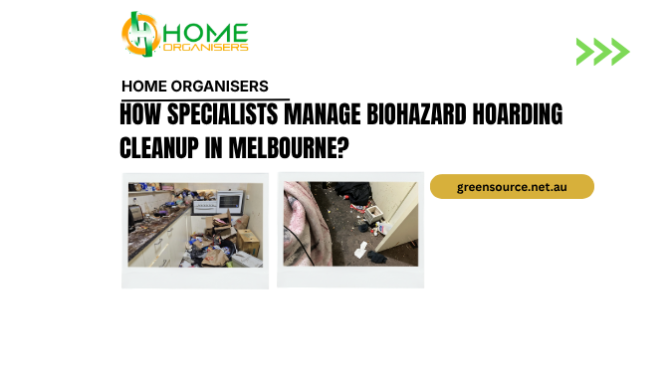
Biohazard hoarding cleanup is one of the most complex and high-risk cleaning services. In Melbourne and its surrounding regions such as Doncaster or Camberwell, specialists are trained to handle extreme environments where clutter is combined with biological hazards such as mould, waste, and contamination. These situations require a careful balance of safety, compliance, and compassion.
What Makes Biohazard Hoarding Cleanup Different
Unlike standard hoarding cleanup, biohazard situations involve materials that pose serious health risks. These may include:
-
Human or animal waste
-
Blood or bodily fluids
-
Mould and bacteria
-
Decomposing food or organic matter
Such environments can expose individuals to infections, respiratory issues, and toxic substances. This is why specialised hoarding cleaners Melbourne are required. They know how to handle these cases safely.
Comprehensive Site Assessment and Risk Evaluation
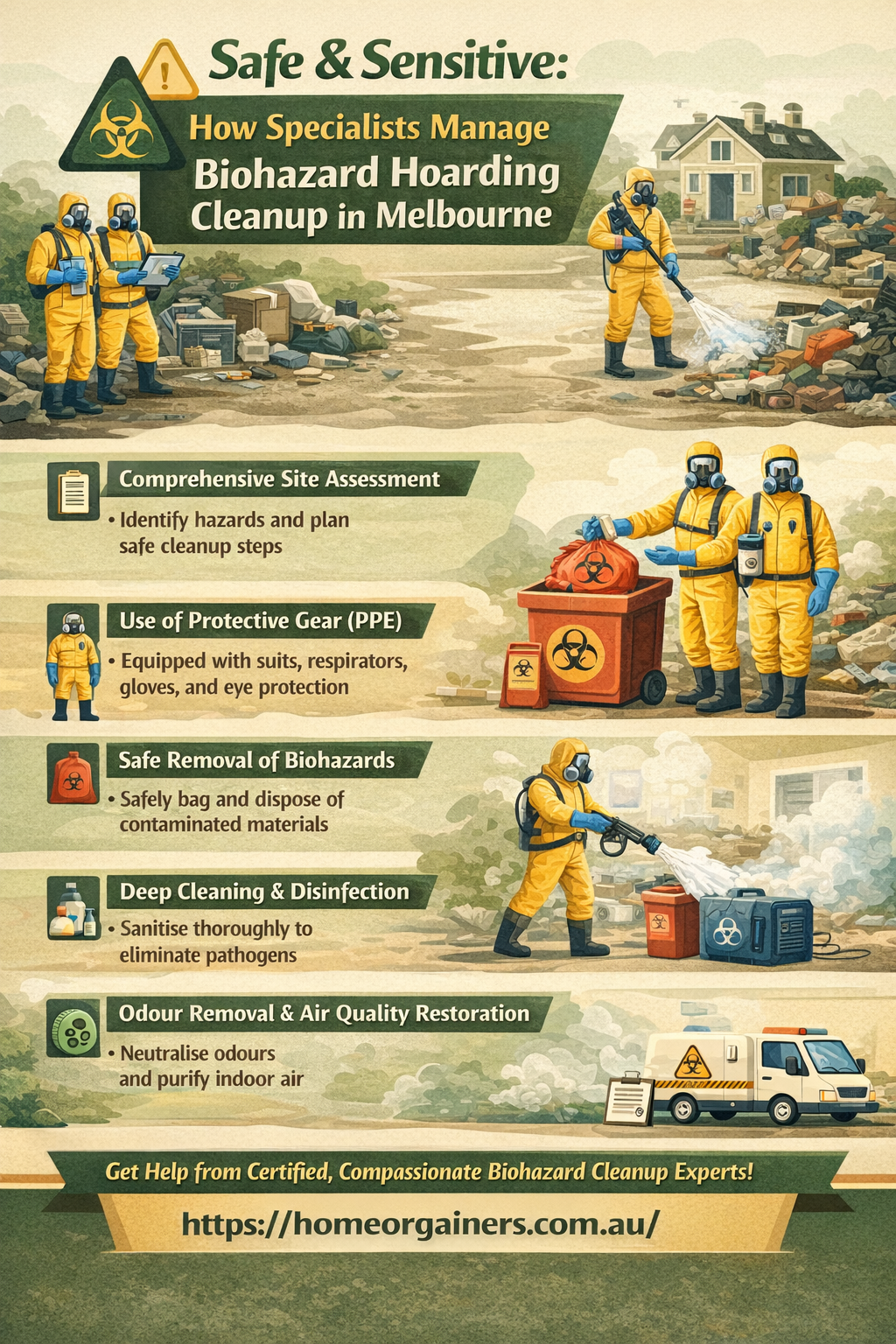
The process begins with a detailed assessment of the property. Specialists evaluate the extent of contamination and identify all potential hazards before starting any work.
This stage involves:
-
Identifying biohazard zones
-
Assessing air quality and contamination levels
-
Planning safe entry and exit points
A structured risk assessment ensures that the cleanup is carried out efficiently while protecting both workers and occupants.
Use of Personal Protective Equipment (PPE)
Safety is a top priority in biohazard cleanup. Teams carrying out hoarding cleaning in Doncaster and other surrounding regions are equipped with specialised personal protective equipment to minimise exposure to harmful substances.
This typically includes:
-
Full-body protective suits
-
Respirators or masks
-
Gloves and eye protection
Proper PPE ensures that cleanup crews can safely work in hazardous environments without risking contamination.
Systematic Removal of Contaminated Materials
Once safety measures are in place, specialists begin the removal process. This involves carefully sorting and disposing of contaminated items while salvaging anything safe and recoverable.
Key steps include:
-
Isolating hazardous waste
-
Using sealed containers for disposal
-
Following strict handling procedures
All waste is managed in accordance with Melbourne’s health and environmental regulations to ensure safe disposal.
Deep Cleaning, Disinfection and Decontamination
After the removal of clutter and hazardous materials, the property undergoes intensive cleaning and sanitisation. This step is crucial to eliminate harmful pathogens and restore hygiene.
Specialists who perform hoarding cleaning in Camberwell and the other surrounding regions use hospital-grade disinfectants and advanced cleaning techniques to:
-
Kill bacteria and viruses
-
Remove stains and odours
-
Treat mould and mildew
In severe cases, air purification and fogging treatments may also be used to ensure complete decontamination.
Odour Removal and Air Quality Restoration
Biohazard environments often come with persistent and unpleasant odours. These are not only uncomfortable but can also indicate lingering contamination.
Professionals use advanced odour neutralisation methods, including:
-
Ozone treatments
-
Air scrubbers and filtration systems
-
Deodorising agents
Restoring indoor air quality is essential to make the space safe and habitable again.
Compliance with Health and Safety Regulations
Biohazard cleanup in Melbourne is governed by strict regulations. Specialists must adhere to guidelines for handling, transporting, and disposing of hazardous waste.
This ensures:
-
Protection of public health
-
Environmental safety
-
Legal compliance
Hiring certified professionals guarantees that all procedures meet Australian standards.
Compassionate Support Throughout the Process
Beyond the technical aspects, biohazard hoarding cleanup requires a compassionate approach. Many cases involve vulnerable individuals who need understanding and support.
Specialist teams work with sensitivity, maintaining clear communication and involving clients wherever possible. This helps reduce stress and ensures a more positive experience during a difficult time.
Conclusion: Restoring Safety and Peace of Mind in Melbourne Homes
Biohazard hoarding cleanup is a demanding process that requires expertise, precision, and care. In Melbourne, specialist teams play a vital role in transforming hazardous environments into safe, liveable spaces.
Through proper risk assessment, protective measures, deep cleaning, and compassionate service, they not only restore homes but also provide reassurance and peace of mind for those affected.
Get Safe Biohazard Hoarding Cleanup Done by Professionals
If you need emergency biohazard hoarding cleanup, Home Organisers is the name you can trust. Call 03 8583 9103 to schedule an appointment or send your details to nancy@homeorganisers.com.au, and we will get in touch with you.
Frequently Asked Questions of Hoarding cleaner
- What qualifies a hoarding situation as a biohazard case?
A hoarding situation becomes a biohazard when it involves harmful substances like bodily fluids, mould, decomposing waste, or contaminated materials that pose health risks.
- How do specialists prevent cross-contamination during cleanup?
They use containment zones, negative air pressure systems, and strict decontamination procedures to stop hazardous particles from spreading.
- Are biohazard cleanup technicians required to have certifications in Melbourne?
Yes, reputable providers follow Australian safety standards and often hold certifications in hazardous waste handling and infection control.
- Can structural damage be identified during biohazard cleanup?
Yes, professionals often uncover hidden issues such as rot, weakened flooring, or water damage once clutter and waste are removed.
- How are airborne contaminants managed during the process?
Air scrubbers, HEPA filtration systems, and ventilation controls are used to capture and remove harmful airborne particles.
- What happens to porous materials like carpets or mattresses?
Highly contaminated porous items are typically removed and disposed of, as they cannot be effectively sanitised.
- Is specialised equipment required for odour removal?
Yes, tools such as ozone generators and thermal foggers are commonly used to neutralise persistent odours at a molecular level.
- How do professionals determine what can be salvaged?
Items are assessed based on contamination level, material type, and safety standards to decide whether cleaning or disposal is appropriate.
- Can biohazard cleanup services assist with documentation for authorities or insurance?
Many providers offer detailed reports, photos, and compliance documentation to support insurance claims or regulatory requirements.
- What precautions are taken after cleanup to ensure the space remains safe?
Post-clean inspections, air quality checks, and recommendations for ongoing maintenance help ensure the property stays safe and habitable.
