


Hoarding is not simply about having too many belongings. It is often connected to emotional stress, trauma, grief, or major life changes. Over time, clutter can make homes unsafe and overwhelming, affecting health, relationships, productivity, and overall well being. However, real-life transformations show that recovery is possible. With patience, support, and a respectful step-by-step approach, people can gradually clear their spaces and rebuild a safer, calmer home. The benefits go far beyond a tidy house—decluttering can improve physical health, reduce stress, strengthen family relationships, restore independence, and help people feel hopeful again. Healing from hoarding does not happen overnight, but meaningful progress can begin with one small step and one cleared space at a time.
Many people think hoarding is simply about keeping too many things. But the reality is much more complex. Hoarding often develops slowly over many years and is usually connected to emotional struggles such as grief, anxiety, trauma, or loneliness.
What begins as holding onto meaningful items can gradually grow into a home filled with possessions that make everyday living difficult. Rooms become unusable. Important items get buried under piles. Simple tasks like cooking, cleaning, or finding a chair to sit on become stressful challenges.
But behind many hoarding situations lies an important truth: change is possible. With patience, understanding, and the right support, homes—and lives—can be transformed through a powerful hoarding transformation.
Real-life decluttering journeys often show that the biggest transformation is not the house itself, but the person living in it.
Understanding Hoarding: More Than Just Clutter
To understand the power of transformation, it helps to first understand what hoarding really is.
Hoarding is often linked to emotional experiences. People may hold onto objects because they feel attached to them, because they fear needing them later, or because letting go feels overwhelming. In some cases, every item carries a memory or a feeling of safety.
Over time, however, these possessions can take over living spaces. Items begin filing cupboards, floors, hallways, and furniture. Rooms designed for daily life slowly become storage areas.
What many people do not realise is that hoarding is rarely a choice. Most individuals living with hoarding behaviours feel deeply overwhelmed and unsure where to start.
The clutter grows, the stress increases, and the situation begins to affect many parts of life.
The “Before” Stage: Living in Overwhelm
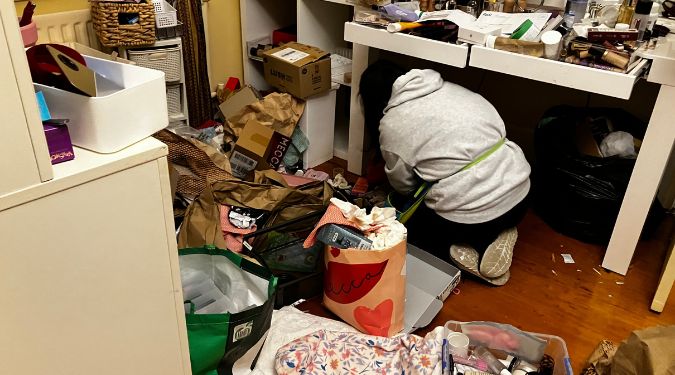
Before decluttering begins, many people describe their homes as feeling heavy or chaotic. Walking through the house may require stepping around piles of belongings. Important spaces such as kitchens or bathrooms may be partially blocked.
This environment can affect nearly every part of daily life.
Health Risks
When clutter accumulates, it can create serious health risks. Dust, mould, and allergens often build up in crowded spaces. Poor air circulation can lead to respiratory problems or allergies.
Blocked walkways increase the risk of falls and injuries. Electrical cords buried under items can become fire hazards. Food storage areas may become inaccessible, making it difficult to prepare healthy meals.
In some homes, even emergency access becomes difficult. This can make it harder for paramedics or support workers to assist if needed.
What begins as clutter can eventually create an unsafe home environment that affects both physical safety and long-term health.
Mental and Emotional Strain
Clutter does not only affect physical space—it also affects the mind.
Living in an overcrowded home can create constant mental noise. The brain is always processing the mess, even when people try to ignore it. This can lead to feelings of anxiety, guilt, embarrassment, and exhaustion.
Many individuals say they feel ashamed of their home. They worry about what others might think if they saw it.
Because of this, people often stop inviting visitors or family members over. Social isolation becomes common, and loneliness grows.
The emotional weight of clutter can feel just as heavy as the physical piles.
Family Impact
Hoarding also affects relationships.
Family members may struggle to understand why the clutter exists or why it is difficult to remove. This can lead to tension, arguments, and frustration within households.
Children growing up in cluttered environments may feel embarrassed about bringing friends home. Partners may feel overwhelmed by the situation but unsure how to help.
Over time, the home can become a source of stress rather than comfort.
A house that once held family memories may instead become a place of conflict or sadness.
Productivity and Daily Function
Clutter also makes everyday tasks harder.
People may spend long periods searching for items that are buried under piles of belongings. Important paperwork, medication, or household tools can become difficult to locate.
Simple routines such as cooking, cleaning, or doing laundry may take far longer than they should.
This reduces productivity and drains energy. Instead of focusing on work, hobbies, or personal goals, much of the day may be spent managing clutter.
Over time, the clutter begins to control the household rather than the other way around.
The Turning Point: Asking for Help
The journey from hoarding to healing often begins with a small but powerful step—asking for support.
For many people, reaching out is the hardest part. Feelings of shame or fear of judgement can make it difficult to speak openly about the situation.
But when someone finally asks for help, it often becomes the start of meaningful change.
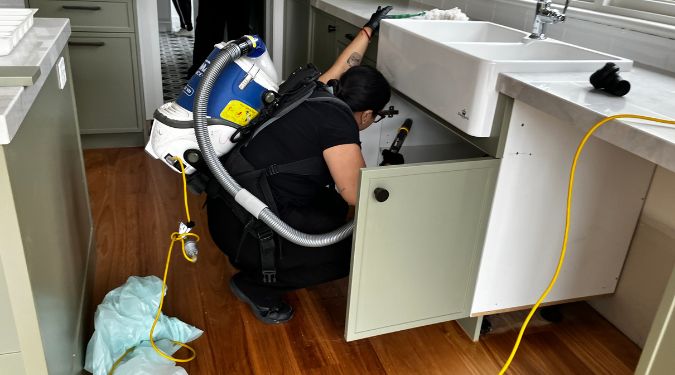
Support may come from family members, support workers, or professional decluttering services. In some cases, programs such as the NDIS provide assistance to help individuals create safer living environments and maintain independence through services like NDIS deep cleaning.
Having compassionate support can make a huge difference. Instead of feeling judged, people begin to feel understood.
And when people feel understood, progress becomes possible.
The Decluttering Process: Small Steps, Big Progress
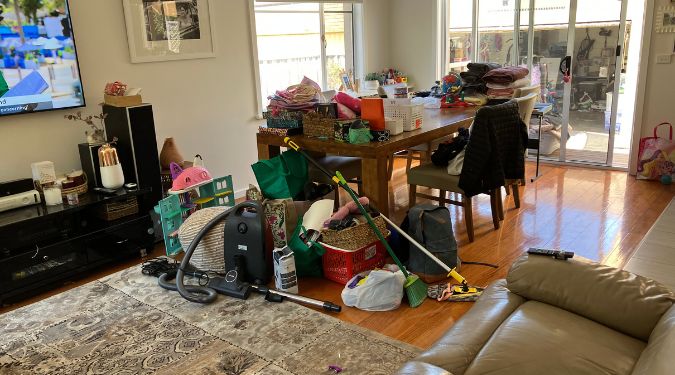
Decluttering a hoarder home is not about throwing everything away in a single day. That approach can be overwhelming and emotionally distressing.
Instead, successful transformations usually happen gradually.
Items are sorted carefully and respectfully. People are encouraged to make decisions about what they truly need and what can be released.
This process may involve three simple categories:
- Keep
- Donate
- Discard
Working through items slowly helps individuals build confidence and trust in the process.
Every cleared surface becomes a small victory.
Every organised shelf becomes a step toward recovery.
Over time, people begin to see meaningful decluttering results, and these decluttering results often motivate individuals to continue the journey.
The “After” Stage: Reclaiming the Home
As clutter begins to disappear, something remarkable often happens.
Spaces that were once buried under possessions begin to reappear.
Kitchen benches become usable again. Dining tables become places where families can sit together. Living rooms once again become areas for rest and relaxation.
For many people, this moment feels like a true home makeover—a home makeover that restores function and comfort to everyday living.
But the transformation goes much deeper than the physical environment.
Improved Health
A decluttered home is easier to clean and maintain. Dust and allergens decrease, improving air quality.
Clear walkways reduce the risk of falls. Kitchens become functional again, making it easier to prepare healthy meals.
Better organisation also allows medications, medical supplies, and daily essentials to be easily accessible.
This improvement in the home environment supports overall physical wellbeing.
Mental Clarity and Emotional Relief
One of the most powerful changes after decluttering is the shift in mental wellbeing.
When clutter is reduced, the brain no longer feels overwhelmed by visual chaos. People often describe feeling calmer and more focused.
A clear space creates a clear mind.
Many individuals report sleeping better, feeling less anxious, and having more energy during the day.
The emotional burden of clutter slowly lifts.
Restoring Family Relationships
When a home becomes organised again, it often brings families closer together.
Loved ones feel more comfortable visiting. Children may invite friends over again. Shared spaces become welcoming rather than stressful.
Conversations that once centred around clutter can return to everyday life, laughter, and connection.
A home once filled with tension can become a place of warmth again.
Productivity and Confidence
An organised home makes daily life easier.
Important items can be found quickly. Household routines become simpler. Cleaning takes less time.
This frees up energy for other activities—work, hobbies, study, or spending time with family.
Many people also experience a boost in confidence. They feel proud of their home and more in control of their environment.
That sense of control often spreads into other areas of life.
Financial Benefits
Clutter can quietly affect finances as well.
When items are difficult to find, people may buy duplicates without realising they already own them. Expired food may be thrown away because it was forgotten at the back of the cupboard.
Decluttering helps people see what they already have. It encourages more mindful spending and reduces waste.
In some cases, valuable items uncovered during decluttering can even be donated, sold, or repurposed.
Better organisation often leads to better financial habits.
Healing Beyond the Home
Perhaps the most important transformation happens within the person themselves.
Decluttering can rebuild confidence, independence, and self-worth.
People who once felt trapped by their environment begin to feel hopeful again. They regain control over their space and their routines.
Each cleared room represents progress.
Each organised cupboard represents a fresh start.
The journey from hoarding to healing becomes a story of resilience and hoarding transformation—a lasting hoarding transformation that improves quality of life.
Healing Happens One Room at a Time
It is important to remember that transformation rarely happens overnight.
Decluttering a hoarder home is a gradual process that requires patience, empathy, and persistence. There may be setbacks along the way, and that is completely normal.
But with every step forward, the home becomes safer, calmer, and more functional.
And with every step forward, the person living there becomes stronger.
A home does not need to be perfect to be healing.
Sometimes, all it takes is one cleared pathway, one organised shelf, or one peaceful room to begin changing a life.
The journey from hoarding to healing is not about creating a perfect house.
It is about restoring dignity, safety, and hope—one room at a time.
Need Support with Decluttering or Hoarding Cleanup?
If clutter has started to feel overwhelming, compassionate help is available. Creating a safer, calmer home environment can make a meaningful difference to health, wellbeing, and daily life.
For confidential guidance or to discuss your situation:
Phone: 03 8583 9103
Email: nancy@homeorganisers.com.au
Website: https://homeorganisers.com.au
Taking the first step may feel difficult, but the journey toward a safer and more comfortable home can begin with a simple conversation.
Key Takeaways
- Hoarding is often linked to emotional experiences such as trauma, grief, anxiety, or major life changes, not simply collecting too many belongings.
- Cluttered homes can create serious health and safety risks, including falls, poor air quality, fire hazards, and limited access to important living spaces.
- Living in a heavily cluttered environment can affect mental health, causing stress, shame, anxiety, and social isolation.
- Hoarding can also impact family relationships, productivity, and daily routines, making simple tasks much harder to manage.
- Real change often begins when individuals feel safe asking for help and receive support without judgement.
- Gradual, respectful decluttering approaches lead to meaningful decluttering results and help individuals feel more in control of their environment.
- Services such as NDIS deep cleaning and supportive decluttering programs can help restore safety and independence at home.
- As clutter is reduced, many people experience a powerful hoarding transformation, where both the home and personal well being improve.
- Clearing and organising spaces can feel like a life-changing home makeover, allowing homes to become functional, peaceful places again.
- Recovery from hoarding is a gradual journey, but each small step—one cleared space or one organised room—moves people closer to a healthier and more hopeful life.
Case Study 1:
From Unsafe Clutter to a Safe Living Space
Margaret, a 67-year-old living alone in Melbourne, had gradually filled her home with belongings over many years. After the passing of her husband, she found it difficult to let go of items that reminded her of the past. Boxes, old newspapers, and household items slowly piled up in every room.
Eventually, the clutter became overwhelming. Walkways were blocked, the kitchen bench was unusable, and Margaret worried about falling in her own home. Her support coordinator became concerned about the growing unsafe home environment and recommended professional help.
With gentle support and NDIS deep cleaning, Margaret began a gradual decluttering process. Instead of rushing, each session focused on sorting items carefully and restoring small sections of the home.
Over several weeks, the living room was cleared, the kitchen became functional again, and safe walkways were created throughout the house. Margaret began to notice positive decluttering results that made daily life easier.
What started as a difficult step eventually became a powerful hoarding transformation. Margaret described the experience as feeling like a personal home makeover, not because everything was perfect, but because she could move freely and feel safe again in her own home.
Today, Margaret enjoys cooking again and feels comfortable inviting her grandchildren over to visit.
Case Study 2:
Rebuilding Independence Through Decluttering
Daniel, a 42-year-old NDIS participant, had been struggling with severe clutter for several years after experiencing mental health challenges. His small apartment had become crowded with boxes, old electronics, and household items he no longer used.
Over time, the clutter made everyday activities difficult. Daniel found it hard to clean, cook, or organise his belongings. His support workers noticed the situation was affecting both his wellbeing and independence.
With approval from his NDIS plan, Daniel began working with a professional decluttering team. The process included supportive organising sessions and NDIS deep cleaning to restore hygiene and safety.
Each visit focused on achievable goals, such as clearing one area at a time and creating simple storage systems. Gradually, the apartment became easier to navigate and maintain.
As the weeks passed, Daniel experienced clear decluttering results. His living space became organised, his kitchen was usable again, and daily routines felt manageable.
The experience became a meaningful hoarding transformation that improved his confidence and independence. Daniel later described the change as a complete home makeover, explaining that the calm environment helped him focus on rebuilding his routine and improving his mental health.
FAQ: What Does a Hoarding-to-Healing Transformation Look Like?
- How can a home organiser help someone struggling with hoarding?
A home organiser provides calm, step-by-step support to sort belongings, reduce clutter, and create a safer, more manageable living environment.
- What happens during a hoarding cleanup session?
Items are sorted into keep, donate, and remove categories while improving safety, clearing pathways, and restoring usable spaces in the home.
- Can NDIS participants receive help for hoarding cleanup?
Yes. Some NDIS plans may include support for decluttering, household assistance, or cleaning when clutter affects safety or independence.
- Why is it emotionally difficult for people to start decluttering?
Many belongings carry memories or feelings of security, which can make letting go stressful or overwhelming.
- How long does it take to clean a hoarded home?
Every situation is different. Some homes improve in a few sessions, while others require ongoing support over time.
- What safety risks come with severe clutter or hoarding?
Common risks include falls, fire hazards, poor air quality, blocked exits, and difficulty accessing essential living areas.
- How does decluttering improve independence?
Clear spaces make it easier to move safely, cook, clean, and manage daily routines without assistance.
- What should families do if a loved one refuses help for hoarding?
Approach the situation with patience and understanding, focusing on safety and support rather than pressure.
- What mistakes do people make when trying to clean a hoarded home themselves?
Trying to remove everything too quickly or throwing items away without consent can create stress and resistance.
- How can people keep their home organised after decluttering?
Simple storage systems, daily routines, and occasional support visits can help maintain a safe and organised home.
